


Frozen Shoulder Treatment in Mumbai

Understanding Frozen Shoulder

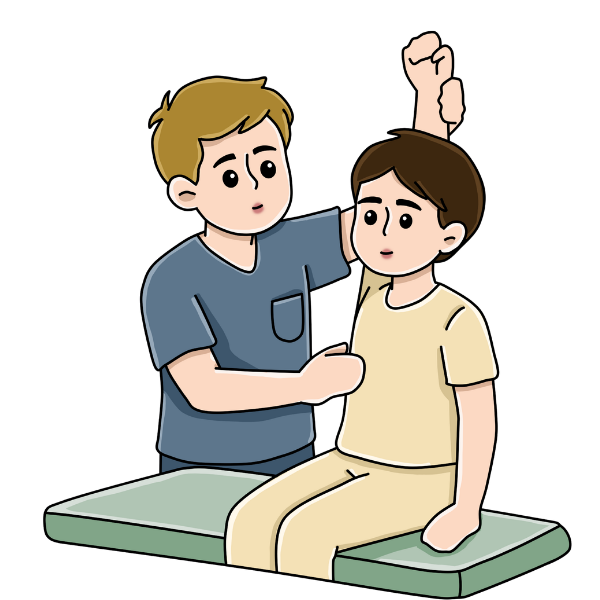
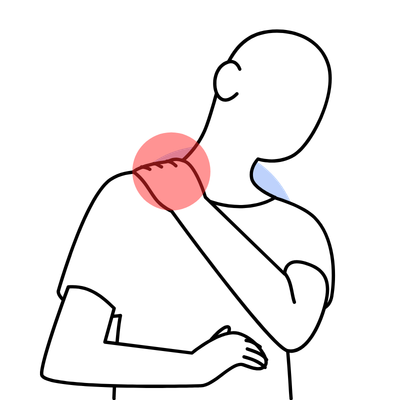
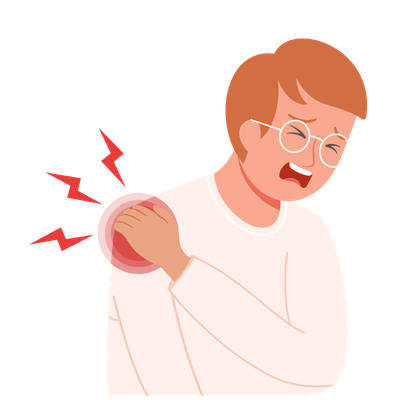
Frozen shoulder, also known as adhesive capsulitis, is a condition in which the tissues surrounding the shoulder joint become tight and restrict normal movement. Pain and stiffness can gradually make everyday activities such as dressing, reaching overhead or placing the hand behind the back difficult.

The condition often develops gradually. Pain may be more noticeable initially, followed by increasing stiffness that limits the shoulder in several directions. In some cases, symptoms eventually improve, but the recovery can take considerable time. The appropriate frozen shoulder treatment depends on the stage of the condition, severity of pain and stiffness, shoulder movement and the effect of symptoms on daily activities.

When Is It Time to Consider Specialist Treatment?

Many cases of frozen shoulder can be managed without surgery. Specialist assessment is useful when pain and stiffness continue to progress or when shoulder movement becomes significantly restricted. The treatment decision depends on the clinical examination and the degree of movement restriction. Other causes of shoulder stiffness also need to be considered before confirming frozen shoulder and deciding on treatment.

Progressive Stiffness

Persistent Pain

Movement Restriction

Daily Difficulty

Night Discomfort

What Happens When the Shoulder Becomes Frozen?

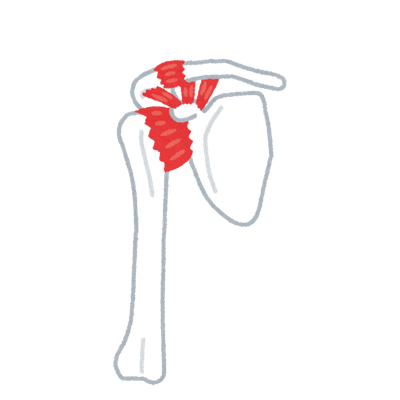
The shoulder joint is enclosed by a capsule that normally allows a wide range of movement. With frozen shoulder, this capsule becomes inflamed and gradually tightens, reducing the space available for normal movement.

The condition commonly progresses through phases. Pain may initially be prominent, followed by increasing stiffness. As movement becomes restricted, activities requiring reaching overhead, rotating the arm or reaching behind the back can become increasingly difficult. Frozen shoulder can occur without an obvious injury, although it may also develop after a period of shoulder immobilisation or certain medical conditions. Understanding the stage and severity of the condition helps guide frozen shoulder treatment.

Frozen Shoulder Treatment in Mumbai: How Is the Right Approach Decided?

Before recommending frozen shoulder treatment, Dr. Pradeep Nair evaluates the shoulder to confirm the likely cause of stiffness and understand how much movement has been lost. 

Movement Restriction

The range of shoulder movement is assessed in different directions to identify the severity of stiffness.

Shoulder Strength

Muscle strength is evaluated to identify weakness that may indicate another shoulder problem.

Pain Pattern

The location, intensity & timing of pain help distinguish frozen shoulder from other causes.

Symptom Duration

The duration and progression of pain and stiffness help determine the likely stage of the condition.

Clinical Findings

Physical examination helps differentiate frozen shoulder from rotator cuff problems, arthritis & other causes.

Imaging Findings

X-rays or other imaging may be advised when necessary to rule out other structural causes of shoulder pain and stiffness.


Non-Surgical Treatment Options for Frozen Shoulder

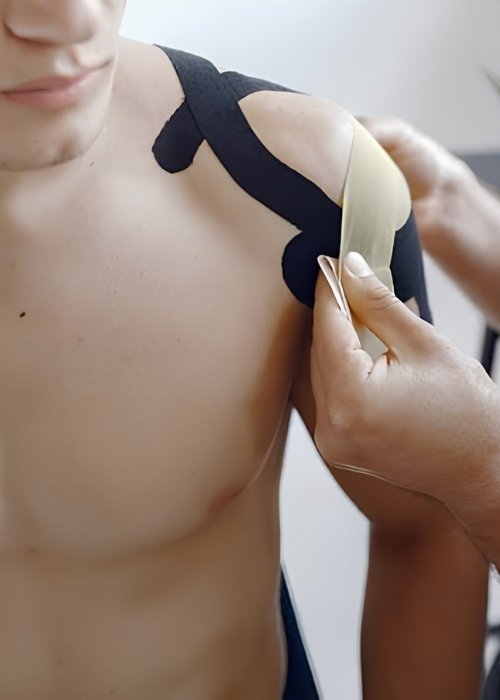
For most patients, frozen shoulder treatment begins with non-surgical measures. The main aim is to control pain while gradually improving shoulder movement. If stiffness remains severe despite appropriate conservative care, further treatment options may be discussed based on the clinical findings and stage of the condition.

Medication

Physiotherapy

Home Exercises
Injection Treatment
Aim of Frozen Shoulder Treatment

The aim of frozen shoulder treatment is to gradually reduce pain and restore useful shoulder movement. Recovery is usually progressive rather than immediate.

Recovery from frozen shoulder can take several months and varies between individuals. Consistent rehabilitation and gradual progression are important, particularly when stiffness is significant.

Detailed Assessment

The shoulder is examined to establish the extent of stiffness and exclude other conditions that can restrict movement.

Pain Control

Appropriate measures are used to reduce pain and make movement-based rehabilitation more manageable.

Mobility Restoration

Stretching and controlled exercises are gradually progressed to improve the shoulder's range of motion.

Strength and Function

Once movement improves, strengthening exercises can help restore shoulder control and function during everyday activities.

Dr. Pradeep Nair
MBBS, MS Orthopedic, DNB Orthopedic
Fellowship in Hip and Knee Surgery including Robotic Joint Replacement (South Korea)

Meet Your Shoulder & Sports Injury Specialist

Dr. Pradeep Nair is an experienced Orthopedic Surgeon with expertise in musculoskeletal conditions and sports injuries. He holds MBBS, MS Orthopedic and DNB Orthopedic qualifications and has completed a fellowship in Conventional and Robotic Joint Replacement in South Korea.

His assessment of shoulder stiffness considers pain, range of movement, muscle strength, symptom progression and relevant imaging. This helps distinguish frozen shoulder from other conditions that can cause similar symptoms.

For patients requiring frozen shoulder treatment, the focus is on controlling pain and progressively restoring shoulder movement while avoiding unnecessary intervention when conservative treatment is appropriate.

Happy Patients

0 +

FAQs About Frozen Shoulder Treatment

Yes. Most cases can be managed with non-surgical treatment such as pain control, physiotherapy and regular mobility exercises. Surgery is considered only in selected cases when significant stiffness persists despite appropriate treatment.

Frozen shoulder can take several months to improve, and some cases may take longer. The duration varies depending on the stage of the condition, severity of stiffness and response to treatment.

Frozen shoulder restricts shoulder rotation and other movements because the joint capsule becomes tight. Reaching behind the back is often one of the movements that becomes noticeably difficult.

Some discomfort during stretching can occur, but exercises should be appropriately selected and progressed according to pain and movement. Forceful or excessive stretching may aggravate symptoms, so rehabilitation should be guided appropriately.

An injection may be considered when pain and inflammation are making movement and physiotherapy difficult. Whether it is appropriate depends on the individual’s symptoms and clinical findings.

Surgery may be considered when significant stiffness continues despite an appropriate course of non-surgical treatment and continues to interfere substantially with shoulder function.

Getting Shoulder Movement Back Takes Time

Consult Dr. Pradeep Nair for an orthopedic evaluation and understand the right frozen shoulder treatment for your condition.

Copyright © 2026 Dr. Pradeep Nair | Designed by EEG Technogeeks 

Scroll to Top