

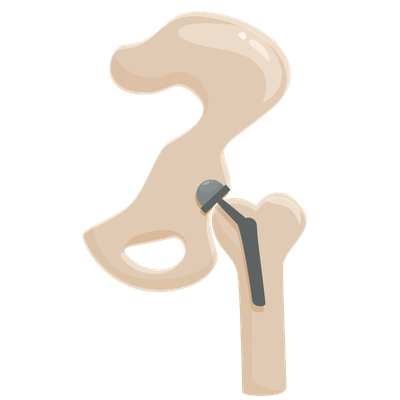

Revision Joint Replacement in Mumbai
Understanding a Previous Joint Replacement
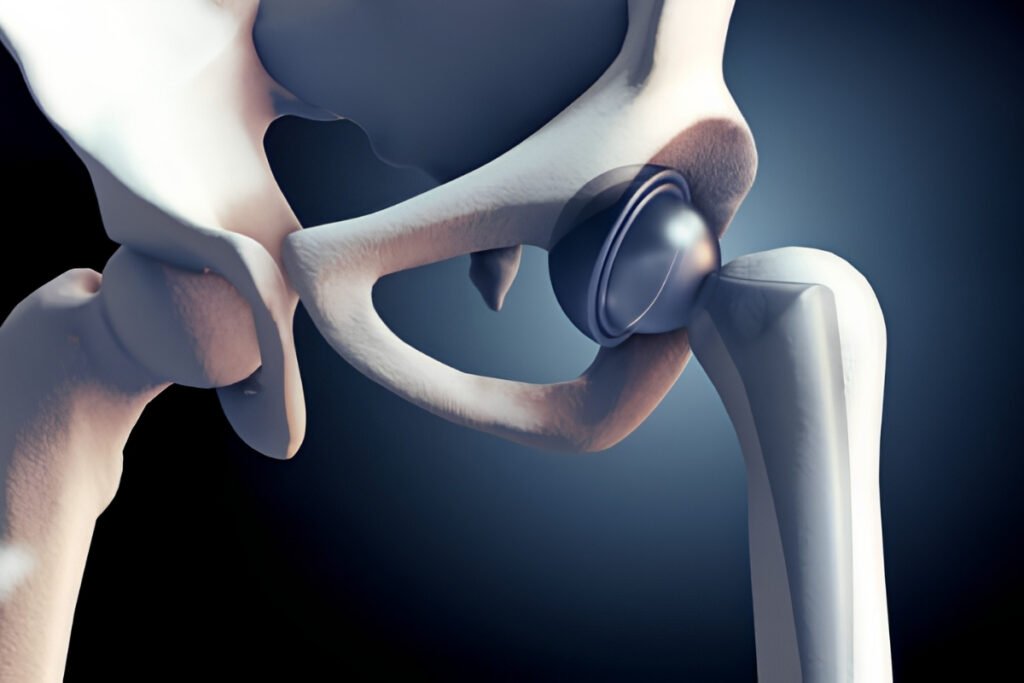
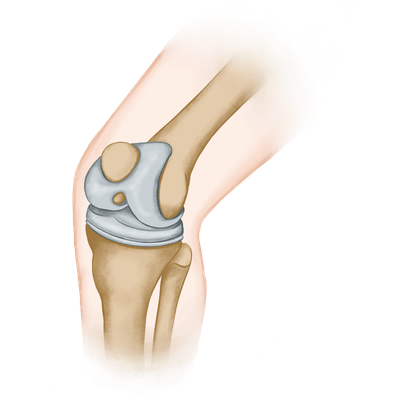
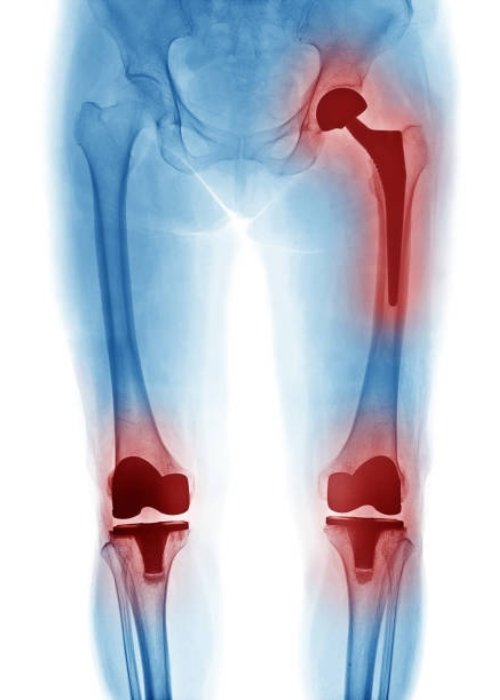
A joint replacement can provide years of improved movement, but an artificial hip or knee can sometimes develop problems over time. Pain, instability, stiffness, implant wear, loosening or infection may affect the function of a previous replacement and require further evaluation.
Revision Joint Replacement is a more complex procedure in which part or all of an existing artificial joint is removed, repaired or replaced. Dr. Pradeep Nair assesses the symptoms, previous surgery, implant condition, bone quality and imaging findings to understand why the replacement is no longer functioning as expected.
When Is It Time to Consider Revision Surgery?
Not every painful joint replacement requires another operation. The underlying cause needs to be identified first, as some problems may be managed without revision surgery. When an implant has failed or the joint has developed a significant mechanical or biological problem, revision may need to be considered. The decision for Revision Joint Replacement depends on the reason for failure, the condition of the surrounding bone and soft tissues, the stability of the joint and the patient’s symptoms. A careful evaluation is important before deciding whether revision surgery is necessary.
Persistent Pain
Implant Loosening
Joint Instability
Reduced Movement
Implant Wear
What Can Go Wrong With a Previous Replacement?
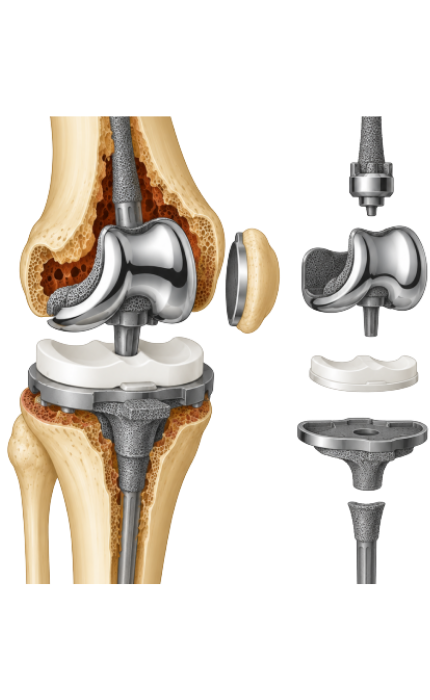
An artificial joint is designed to function for many years, but several problems can develop during its lifetime. Components may gradually wear, become loose or shift from their original position. Changes in the surrounding bone can also affect the stability of the implant.
In some cases, the joint may become unstable, causing repeated episodes of dislocation in a hip replacement or a feeling of giving way in a knee replacement. Infection around the implant is another important cause of joint replacement failure and requires specific investigation and treatment. The extent of bone loss is particularly important during revision surgery. Removing a failed implant can leave areas of weakened or deficient bone, which may require specialised implants or reconstruction during the revision procedure.
Revision Joint Replacement in Mumbai: How Is the Decision Made?
Planning Revision Joint Replacement in Mumbai starts with finding out exactly why the previous replacement is causing problems. The same symptoms can result from very different underlying causes, so treatment needs to be based on a thorough assessment. Dr. Pradeep Nair evaluates:

Pain Characteristics
The location, timing and nature of pain can help identify whether the problem may be related to the implant, surrounding tissues or another source.

Implant Stability
The joint is examined for signs of loosening, abnormal movement or instability that may affect the function of the replacement.

Bone Condition
Imaging helps assess bone loss around the existing components and provides important information for revision planning.

Joint Function
Movement, strength, walking ability and joint stability are assessed to understand how the failed replacement is affecting function.

Infection Assessment
When infection is suspected, appropriate blood tests, joint fluid analysis or other investigations may be required before surgery is planned.

Previous Surgery
Details of the original joint replacement and any subsequent procedures are reviewed to understand the existing implants and previous surgical changes.
Finding the Cause Before Planning the Revision
Revision surgery should begin with identifying the reason for failure rather than simply replacing an existing implant. Depending on the findings, treatment may sometimes involve non-operative measures or a more focused procedure.

Observation & Monitoring

Medication

Physiotherapy
Infection Treatment
Planning a Revision Is Different From the First Replacement
Revision surgery requires a different level of planning because the surgeon is working around an existing implant and may need to address bone loss, scar tissue, altered anatomy or compromised joint stability.
The treatment process generally focuses on:

Understanding the Failure
The reason for the previous replacement failing is established through clinical assessment, imaging and relevant investigations.

Assessing Bone & Implants
The existing components and surrounding bone are evaluated to determine what can be retained and what needs to be removed or reconstructed.

Reconstructing the Joint
Damaged or deficient areas may require specialised implants, bone reconstruction or other techniques to restore stability and function.

Restoring Function
After surgery, rehabilitation progresses according to the type of revision, bone and soft-tissue condition, strength and the surgeon's postoperative plan.

Fellowship in Hip and Knee Surgery including Robotic Joint Replacement (South Korea)
Meet Your Joint Replacement Specialist
Dr. Pradeep Nair is an orthopedic surgeon treating conditions of the knee, hip and musculoskeletal system. His clinical practice includes knee replacement, hip replacement, robotic joint replacement, ligament reconstruction, meniscus surgery, fracture management and non-surgical orthopedic care.
He holds MBBS, MS Orthopedic and DNB Orthopedic qualifications and has completed a Fellowship in Conventional and Robotic Joint Replacement in South Korea. He is also a member of the Bombay Orthopedic Society.
For patients experiencing problems after a previous hip or knee replacement, Dr. Nair evaluates the implant, surrounding bone, joint function and possible causes of failure before discussing further surgery. Revision planning is based on the findings of the assessment and the specific requirements of the affected joint.
Happy Patients
FAQs About Revision Joint Replacement
When should I have a previous hip or knee replacement checked?
Persistent or increasing pain, new instability, reduced movement, swelling or difficulty using the joint should be assessed. A new problem does not always mean that revision surgery is required, but identifying the cause early can help guide treatment.
Is revision surgery more complex than the first joint replacement?
Yes. Revision procedures can involve scar tissue, bone loss, existing implants and changes in the normal anatomy. The surgical plan therefore depends heavily on what is found around the previous replacement.
Can Revision Joint Replacement be done for both hip and knee replacements?
Yes. Revision procedures can be performed for failed hip or knee replacements. The surgical technique and reconstruction required depend on the joint involved and the reason the original replacement is no longer functioning properly.
Does every painful joint replacement need revision surgery?
No. Pain after joint replacement can have several causes, and some can be managed without another operation. Revision is considered when investigations show a problem with the implant or surrounding joint that requires surgical correction.
What happens if my artificial joint has become loose?
The cause and extent of loosening are assessed through examination and imaging. If the implant is significantly loose and causing symptoms or affecting the surrounding bone, revision surgery may be required.
How does recovery differ after Revision Joint Replacement?
Recovery depends on the complexity of the revision, bone condition, soft-tissue status, the type of reconstruction performed and the patient’s strength and general health. Rehabilitation is progressed according to the stability and healing of the revised joint.
A Careful Assessment Before Another Joint Replacement
Discuss your previous joint replacement with Dr. Pradeep Nair to understand the cause of your symptoms and the options available for restoring the function of your hip or knee.