


Slipped Disc in Mumbai
Understanding Your Back and Leg Pain
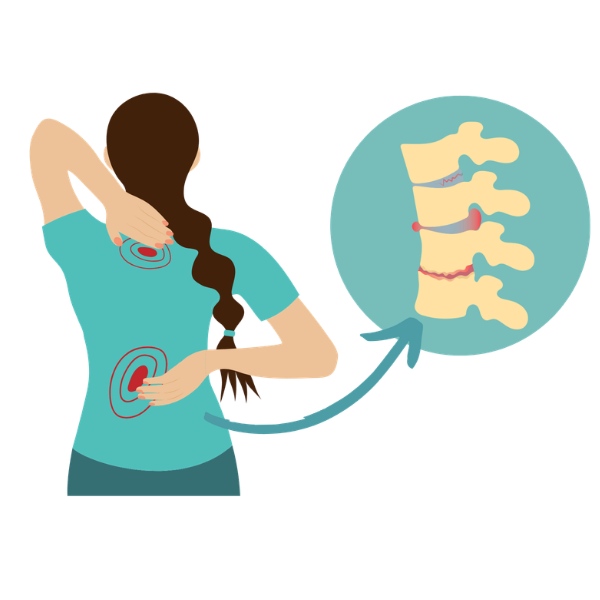
A slipped disc, also called a herniated or prolapsed disc, occurs when the soft inner material of a spinal disc pushes through a weakened or damaged outer layer. The displaced disc material can irritate or compress nearby nerves, causing back pain, leg pain or other symptoms depending on where the disc is affected.
A slipped disc can develop gradually due to age-related disc changes or occur suddenly after lifting, twisting, a fall or another strain on the spine. Most people with a slipped disc improve with appropriate non-surgical treatment. Surgery is considered when symptoms persist, nerve function is affected or there is significant nerve compression requiring further intervention.
When Is It Time to Consider Specialist Treatment?
Most slipped disc cases do not require immediate surgery. However, persistent or worsening symptoms warrant an orthopedic assessment to understand what is causing the problem. The decision to proceed with surgery depends on the severity of symptoms, neurological findings, imaging and response to conservative treatment. An MRI finding alone does not necessarily mean that an operation is required.
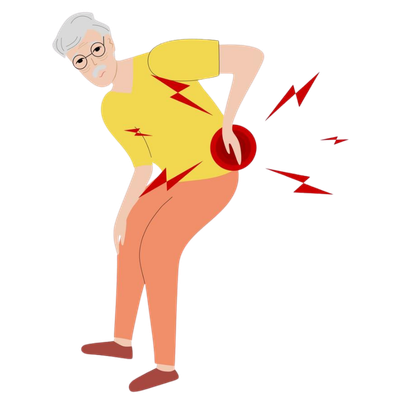
Persistent Pain
Leg Pain
Numbness
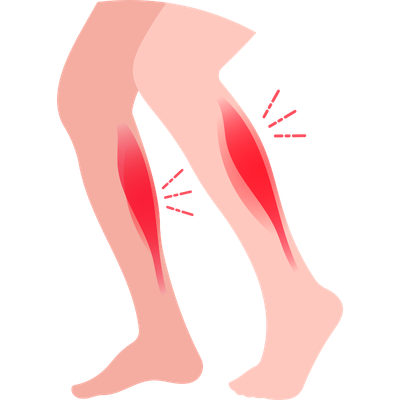
Muscle Weakness
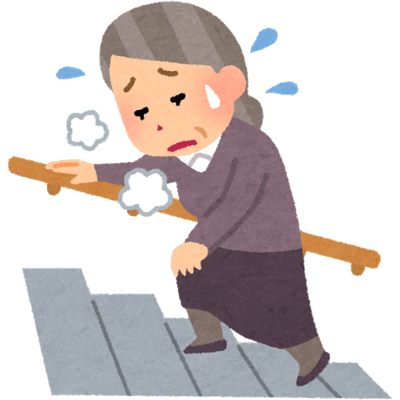
Walking Difficulty
What Happens When a Disc Herniates?
The spinal discs sit between the vertebrae and act as cushions that help absorb forces during movement. When the outer part of a disc develops a tear or weakness, its inner material can protrude beyond its normal boundary.
If the protruding disc comes into contact with a nearby nerve, it can cause pain that travels along the nerve’s path. In the lower back, this may result in pain extending into the buttock or leg. A disc problem in the neck can cause pain, tingling or weakness extending into the shoulder, arm or hand. The severity of symptoms does not always correspond directly to the size of the disc problem seen on imaging. Clinical examination is therefore important to determine whether the disc is actually responsible for the symptoms.
Slipped Disc in Mumbai: How Is the Treatment Decided?
Before recommending treatment for a slipped disc in Mumbai, Dr. Pradeep Nair evaluates the symptoms, neurological function and imaging findings together.

Pain Pattern
The location and direction of pain can provide clues about which nerve or spinal region may be involved.

Nerve Function
Strength, sensation and reflexes are assessed to identify signs of nerve irritation or compression.

Movement Limitation
Back or neck movement and its effect on symptoms help establish the functional impact of the disc problem.

Imaging Findings
MRI or other imaging may be used to identify disc displacement and determine whether it corresponds with the clinical findings.

Symptom Duration
How long the symptoms have been present and whether they are improving or worsening influence treatment decisions.

Treatment Response
The response to medication, physiotherapy and activity modification helps determine whether further intervention is required.
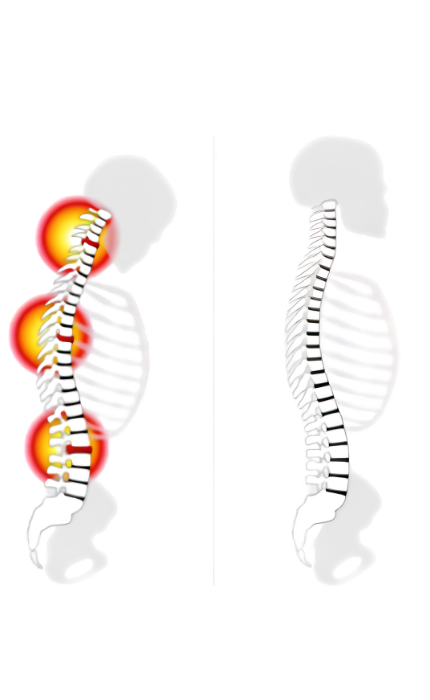
Give Non-Surgical Treatment Time to Work
Many patients with a slipped disc improve without surgery. Initial treatment is generally aimed at controlling symptoms while allowing the spine and irritated nerve to recover.

Medication

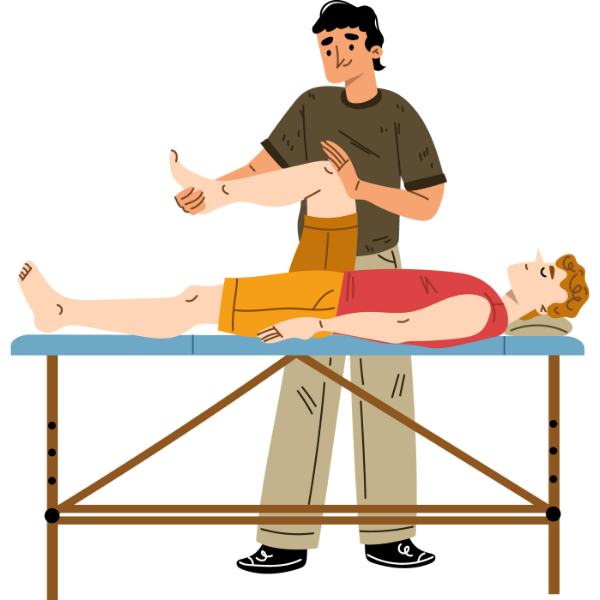
Physiotherapy

Activity Modification
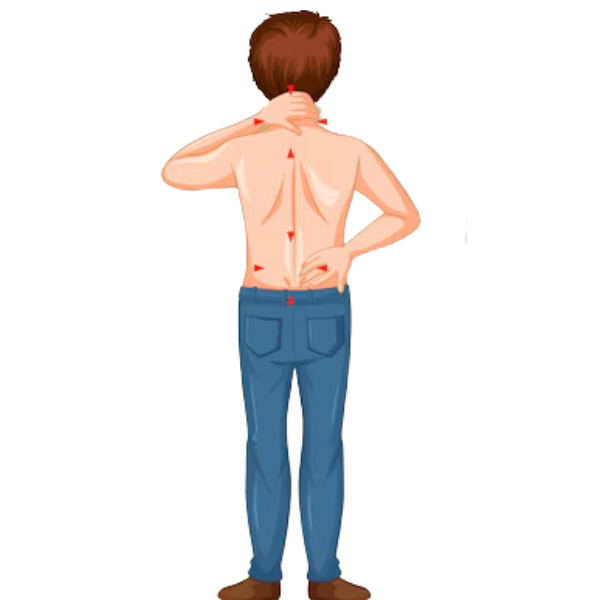
Posture Correction
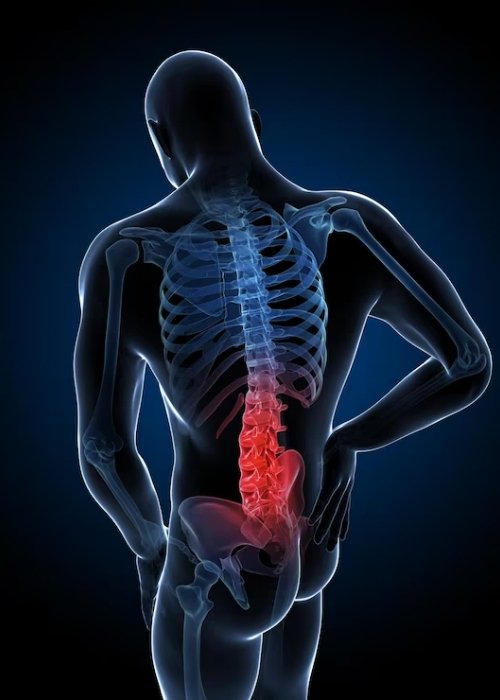
Treating the Disc Problem Means Looking Beyond the MRI
The goal of treatment is to reduce symptoms, protect nerve function and restore normal activity. When surgery is required, the procedure is selected according to the location and effect of the disc problem.
Recovery varies depending on the severity and duration of symptoms, whether nerve compression is present and the treatment required. Persistent or worsening neurological symptoms should not be ignored.

Detailed Assessment
The symptoms, neurological examination and imaging findings are reviewed together to establish the source of the problem.

Conservative Management
Medication, physiotherapy and activity modification are used when appropriate to give the irritated nerve time to recover.

Surgical Decompression
When significant nerve compression persists or neurological problems develop, a procedure may be considered to relieve pressure on the affected nerve.

Gradual Recovery
Following treatment, movement, strength and everyday activities are progressively restored according to symptoms and clinical recovery.

Fellowship in Hip and Knee Surgery including Robotic Joint Replacement (South Korea)
Meet Your Orthopedic Specialist
Dr. Pradeep Nair is an experienced Orthopedic Surgeon with expertise in musculoskeletal conditions, sports injuries and orthopedic problems affecting mobility and function. He holds MBBS, MS Orthopedic and DNB Orthopedic qualifications, along with a fellowship in Conventional and Robotic Joint Replacement in South Korea.
His assessment of a slipped disc focuses on the relationship between the patient’s symptoms, neurological examination and imaging findings. This helps distinguish disc changes seen on scans from problems that are actually responsible for the patient’s symptoms.
Treatment is selected according to the severity of the condition, with non-surgical management considered whenever appropriate and surgical intervention reserved for cases where it is clinically indicated.
Happy Patients
FAQs About Slipped Disc Treatment
Can a slipped disc get better without surgery?
Yes. Many patients improve with medication, physiotherapy, activity modification and time. Surgery is generally considered only when symptoms persist, nerve function is affected or conservative treatment does not provide adequate improvement.
How do I know if my slipped disc is pressing on a nerve?
Pain travelling into an arm or leg, numbness, tingling or muscle weakness can indicate nerve involvement. Clinical examination and, when required, MRI help determine whether a disc is compressing a nerve.
Does every slipped disc seen on an MRI need treatment?
No. Disc changes can sometimes be present without causing symptoms. Treatment decisions are based on the clinical findings and whether the imaging abnormality corresponds with the patient’s symptoms.
When does a slipped disc require surgery?
Surgery may be considered when significant symptoms continue despite appropriate treatment, when there is persistent nerve compression or when neurological weakness is developing. The urgency depends on the specific findings.
Can I exercise with a slipped disc?
The type and intensity of exercise should depend on your symptoms and stage of recovery. Gentle, controlled movement is often encouraged, while activities that worsen pain or put excessive strain on the spine may need to be avoided temporarily.
How long does it take to recover from a slipped disc?
Recovery varies considerably. Many people improve over several weeks with non-surgical treatment, while symptoms that persist or involve significant nerve compression may require further evaluation and a different treatment approach.
Getting the Right Treatment for Your Spine
Consult Dr. Pradeep Nair for an assessment of your slipped disc and understand whether conservative treatment or further intervention is appropriate for your condition.