
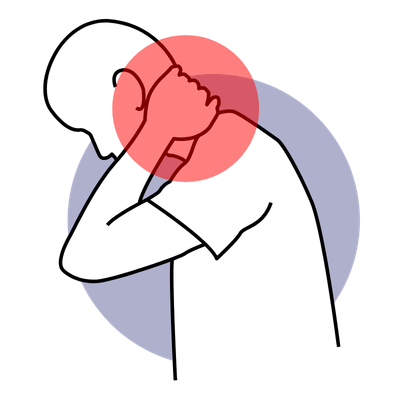


Back & Neck Pain Treatment in Mumbai
Understanding the Source of Back and Neck Pain
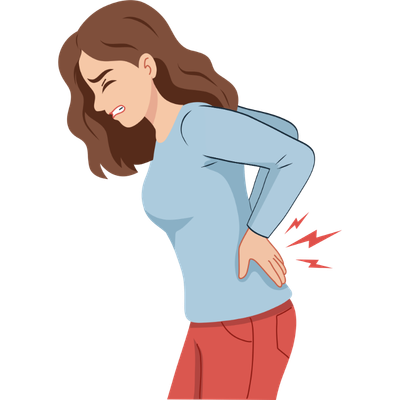
Back and neck pain can develop from problems involving the muscles, discs, joints, nerves or other structures of the spine. It may appear after an injury, prolonged sitting, repetitive activity or gradual age-related changes.
Some people experience a short episode that settles with rest and appropriate treatment, while others develop persistent pain, stiffness or symptoms that extend into the arms or legs. Numbness, tingling or weakness may indicate that a nerve is being affected. The right treatment depends on the location and pattern of pain, how long it has been present and whether there are signs of an underlying spinal problem.
When Is It Time to Consider Specialist Treatment?
Most episodes of back or neck pain do not require surgery. Specialist evaluation becomes important when pain persists, repeatedly returns or starts interfering with movement, work or everyday activities. Treatment decisions are based on the symptoms and clinical examination, with imaging used when appropriate. A scan showing spinal changes does not necessarily mean that surgery is required.
Persistent Pain
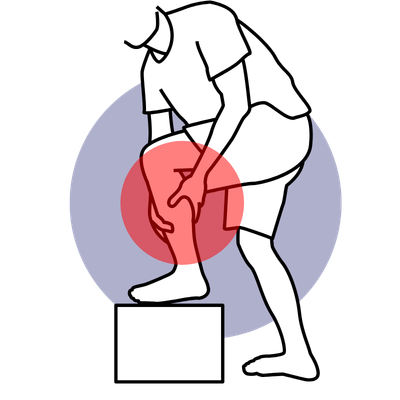
Arm or Leg Pain
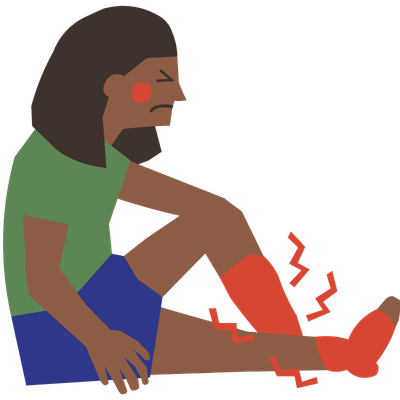
Numbness
Limited Movement
Muscle Weakness
What Could Be Behind Your Spine Pain?
The spine contains bones, discs, joints, muscles and nerves that work together to support movement. Problems in any of these structures can contribute to pain in the back or neck. A disc may become damaged or bulge and irritate a nearby nerve. Joint changes, muscle strain, spinal narrowing and age-related wear can also cause pain and stiffness. In some cases, symptoms may develop after an injury or repeated physical stress.
Pain that travels into an arm or leg, along with numbness or weakness, may suggest nerve involvement. Identifying these associated symptoms helps determine whether further spinal assessment is needed.
Back and Neck Pain in Mumbai: How Is the Treatment Decided?
Before recommending treatment for back and neck pain, Dr. Pradeep Nair assesses the symptoms, physical findings and possible source of the problem.

Pain Location
The exact area of pain and whether it spreads to an arm, shoulder, buttock or leg can provide important clinical clues.

Movement Limitation
Difficulty turning the neck, bending, sitting, standing or walking is considered during the assessment.

Nerve Function
Strength, sensation and reflexes are checked when symptoms suggest that a spinal nerve may be involved.

Symptom Duration
The duration of symptoms and whether they are improving, worsening or recurring helps guide the treatment approach.

Imaging Findings
X-rays, MRI or other scans may be recommended when they are likely to add useful information to the clinical assessment.

Daily Activities
Work requirements, physical activity and the effect of pain on routine tasks are considered when planning treatment.
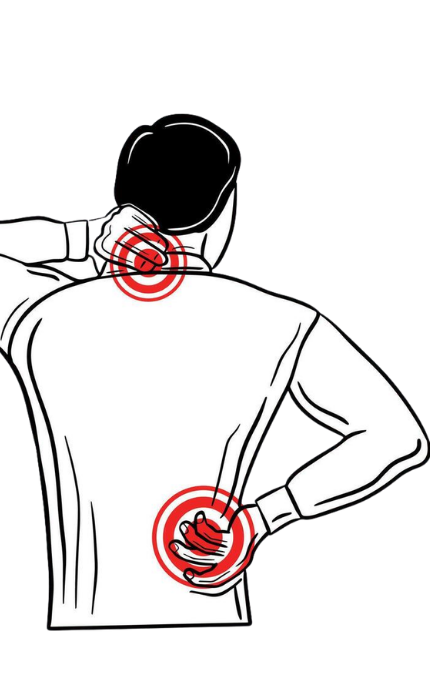
Start With Conservative Treatment When Appropriate
Treatment for back and neck pain often begins with non-surgical measures, particularly when there are no signs of significant nerve damage or another condition requiring urgent intervention.

Medication

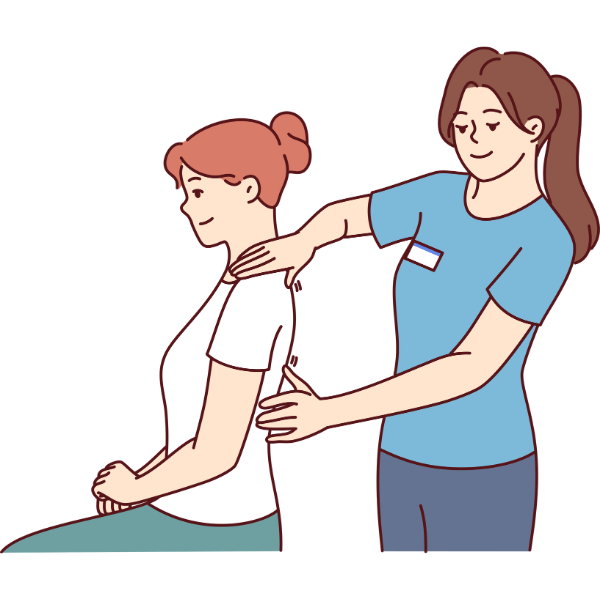
Physiotherapy

Activity Modification

Posture & Ergonomics
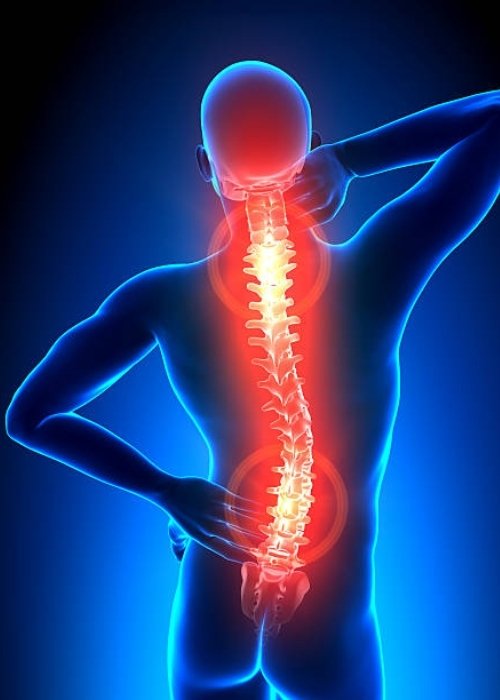
Managing Spine Pain Goes Beyond Pain Relief
Effective treatment depends on understanding why the pain developed and how it is affecting spinal function. The treatment plan may change as symptoms improve or new findings become apparent.
Recovery from back and neck pain varies depending on the cause, severity and duration of symptoms. Early assessment is particularly important when pain is accompanied by progressive weakness, significant numbness or difficulty controlling normal movement.

Clinical Assessment
Symptoms, physical examination and relevant imaging are reviewed together to identify the likely source of pain.

Targeted Treatment
Medication, physiotherapy, activity changes or other appropriate measures are selected according to the underlying problem.

Spinal Intervention
When persistent nerve compression or another structural problem requires surgery, the procedure is directed at the specific cause identified during assessment.

Recovery & Function
Rehabilitation focuses on restoring movement, strength and confidence with everyday activities while gradually returning to normal physical demands.

Fellowship in Hip and Knee Surgery including Robotic Joint Replacement (South Korea)
Meet Your Orthopedic Specialist
Dr. Pradeep Nair is an experienced Orthopedic Surgeon with expertise in musculoskeletal conditions, sports injuries and problems affecting movement. He holds MBBS, MS Orthopedic and DNB Orthopedic qualifications and has completed a fellowship in Conventional and Robotic Joint Replacement in South Korea.
His evaluation of spinal complaints focuses on the pattern of symptoms, physical examination, neurological findings and relevant imaging. This helps distinguish conditions that can improve with non-surgical treatment from problems that may require further intervention.
For patients experiencing back and neck pain, treatment is planned according to the underlying condition, severity of symptoms and effect on daily function.
Happy Patients
FAQs About Back & Neck Pain
When should I see an orthopedic surgeon for back or neck pain?
Consider an evaluation when pain persists despite initial treatment, repeatedly returns, limits normal activities or is accompanied by numbness, tingling or weakness.
Can back and neck pain improve without surgery?
Yes. Many conditions respond to medication, physiotherapy, activity modification and appropriate exercise. Surgery is generally considered only when there is a specific indication.
Does every case of back or neck pain need an MRI?
No. Imaging is not necessary for every episode of pain. An MRI may be advised when symptoms persist, neurological findings are present or the examination suggests a structural problem requiring further evaluation.
Why does spine pain sometimes spread into the arm or leg?
Pain that travels into an arm or leg can occur when a spinal nerve is irritated or compressed. The distribution of symptoms can help identify which part of the spine may be involved.
Can poor posture cause back and neck pain?
Prolonged sitting, awkward positioning and repetitive strain can contribute to muscle fatigue and mechanical pain. However, persistent symptoms should not automatically be attributed to posture without an appropriate assessment.
When does back or neck pain require urgent attention?
Severe or rapidly worsening pain accompanied by significant weakness, extensive numbness, difficulty walking or problems with bladder or bowel control requires prompt medical evaluation.
Understanding the Pain Is the First Step
Consult Dr. Pradeep Nair for an orthopedic assessment and understand the next step based on your symptoms and examination.