

Fracture Fixation Surgery in Mumbai

Understanding Fracture Fixation Surgery

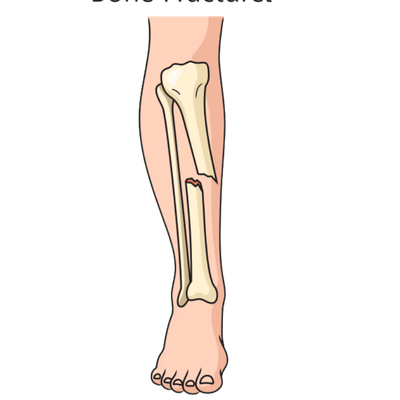
Some fractures cannot be expected to heal correctly with a cast or brace alone. When a bone is significantly displaced, unstable or involves an important joint surface, surgery may be required to restore its position and hold it securely while healing takes place.

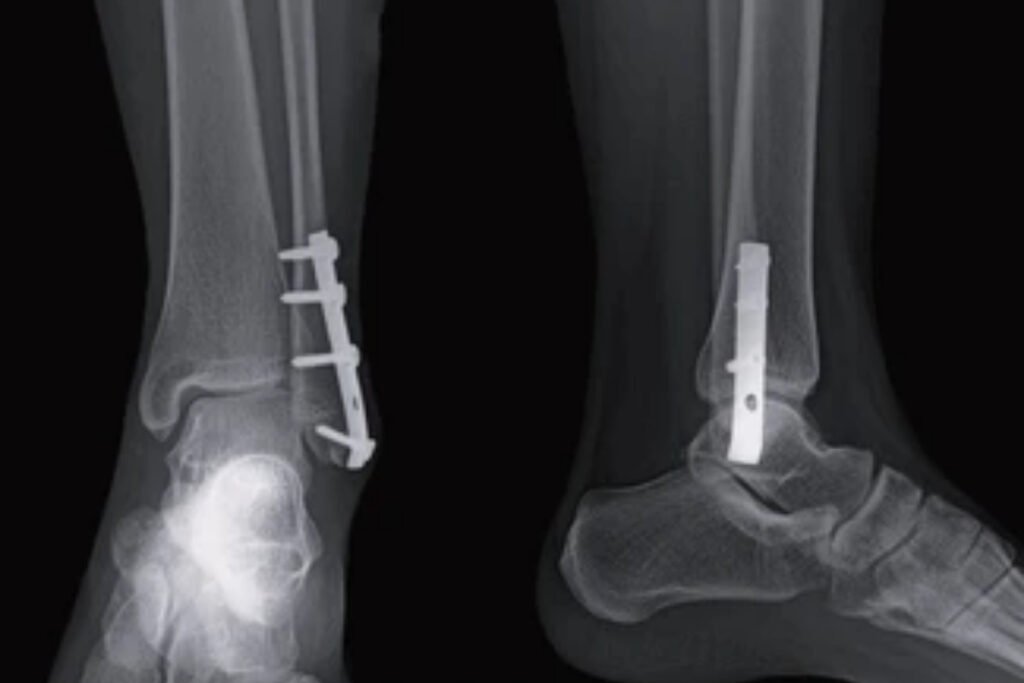
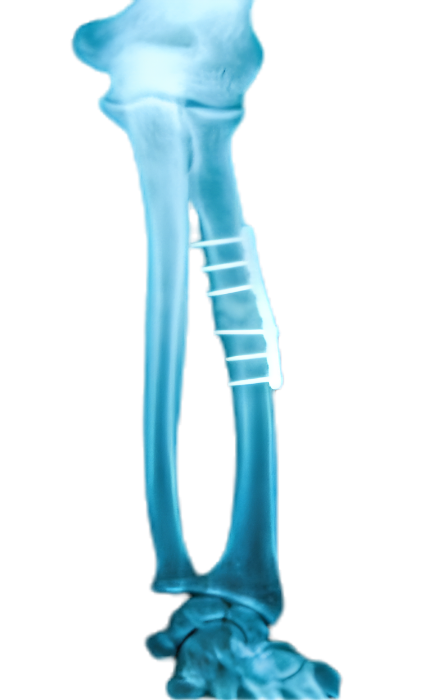
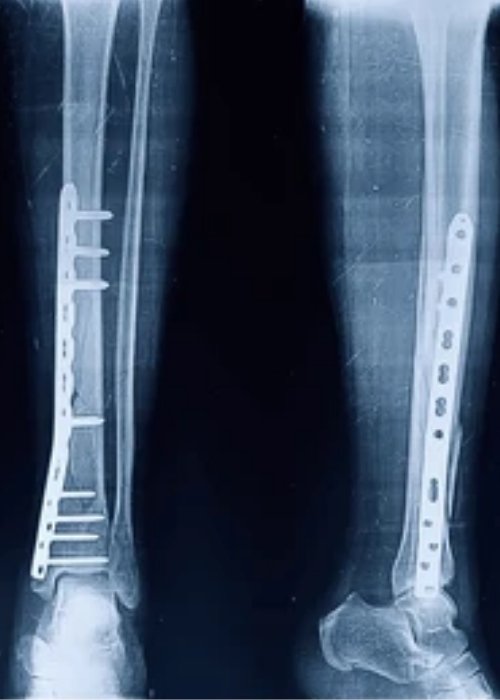
Fracture fixation surgery involves bringing the broken bone into an appropriate position and stabilising it using implants such as plates, screws, rods or other fixation devices. The method depends on the bone involved, fracture pattern and stability required. The purpose is not simply to join the broken bone. Appropriate alignment and stability can help create the conditions needed for bone healing while allowing movement and function to be restored at the appropriate stage.

When Is It Time to Consider Surgery?

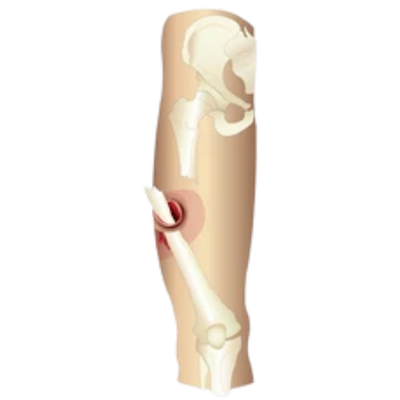
Surgical fixation may be recommended when a fracture is unlikely to remain in a satisfactory position with non-surgical treatment. Not every displaced fracture automatically requires an operation. The decision depends on the specific fracture, its position, the structures around it and whether acceptable alignment can be maintained without fixation.

Significant Displacement

Unstable Fracture

Joint Involvement

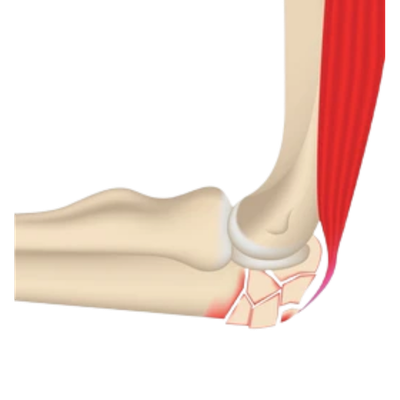
Multiple Fragments

Open Fracture

Why Some Fractures Need More Than a Cast

A cast or brace can provide effective support when a fracture is stable and remains appropriately aligned. However, some fractures tend to move again because of the forces acting on the injured bone. Fractures extending into a joint may require accurate restoration of the joint surface to reduce the risk of stiffness and long-term joint problems. Similarly, fractures with multiple fragments or significant displacement may be difficult to control with external immobilisation alone.

The surrounding muscles, tendons, nerves, blood vessels and soft tissues also influence surgical planning. A complete assessment therefore looks beyond the broken bone before deciding how it should be stabilised.

Fracture Fixation Surgery in Mumbai: How Is the Decision Made?

Before recommending fracture fixation surgery in Mumbai, Dr. Pradeep Nair evaluates the fracture and determines how much stability is required for healing and functional recovery.

Fracture Location

The bone and exact location of the break determine the fixation options available.

Soft Tissue Condition

Swelling, skin injury, nerve function and blood supply are considered before surgery.

Bone Alignment

Displacement, angulation and rotation are assessed to understand whether the fracture can heal in an appropriate position.

Fracture Pattern

The number of fragments and direction of the fracture influence the surgical technique and fixation required.

Joint Involvement

When a fracture extends into a joint, restoring the joint surface accurately becomes an important part of planning.

Required Stability

The fixation method is selected according to how much support the fracture needs during healing and rehabilitation.
When Surgery Is Not Always Necessary

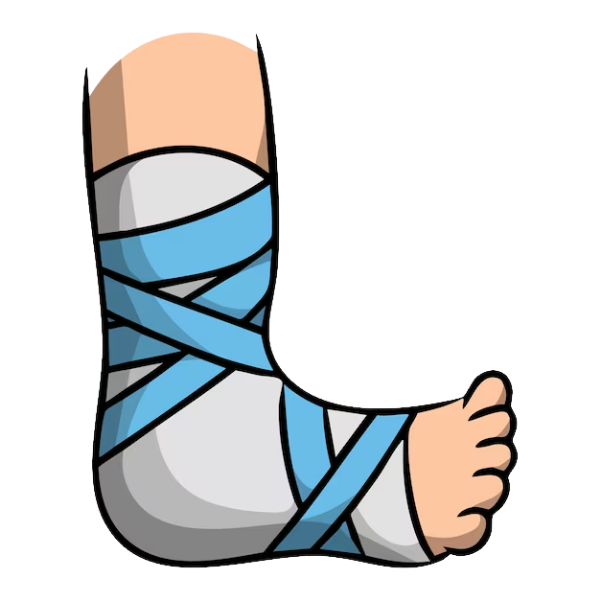
Surgical fixation is not required for every fracture. If the bone is well aligned and can remain stable during healing, non-operative treatment may still be appropriate.

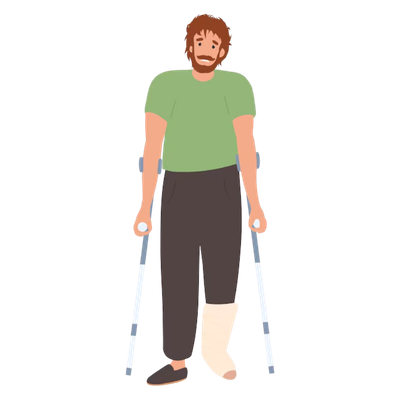
Casting & Splinting

Bracing

Activity Restriction

Pain Management
Stabilising the Fracture Is the First Step

The aim of fracture fixation surgery is to restore appropriate alignment and provide enough stability for the bone to heal. Recovery then progresses in carefully controlled stages.

The recovery period varies according to the bone involved, fracture complexity, fixation method and any associated soft tissue injury. Regular follow-up helps monitor bone healing and guide progression through rehabilitation.

Fracture Reduction

The broken bone fragments are brought back towards their appropriate position before fixation.

Internal Fixation

Depending on the fracture, plates, screws, rods or other implants may be used to hold the bone securely.

Early Protection

The operated area is protected during the initial healing period, with movement and weight-bearing introduced according to the fracture and fixation.

Rehabilitation & Strength

As healing progresses, exercises help restore joint movement, muscle strength and functional use of the affected limb.

Dr. Pradeep Nair
MBBS, MS Orthopedic, DNB Orthopedic
Fellowship in Hip and Knee Surgery including Robotic Joint Replacement (South Korea)

Meet Your Orthopedic Trauma Specialist

Dr. Pradeep Nair is an experienced Orthopedic Surgeon with expertise in musculoskeletal conditions, sports injuries and orthopedic trauma. He holds MBBS, MS Orthopedic and DNB Orthopedic qualifications, along with a fellowship in Conventional and Robotic Joint Replacement in South Korea.

His approach to fracture treatment begins with understanding the fracture pattern, bone alignment, joint involvement and condition of the surrounding tissues. This helps determine whether the injury can heal reliably with immobilisation or requires surgical stabilisation.

For patients undergoing fracture fixation surgery, treatment involves careful fixation followed by appropriate protection and rehabilitation to support bone healing and restore functional movement.

Happy Patients

0 +

FAQs About Fracture Fixation Surgery

It may be recommended when a fracture is significantly displaced, unstable, involves a joint surface or cannot be kept in an acceptable position with casting or bracing.

Some displaced fractures can be treated without surgery if acceptable alignment can be restored and maintained. The decision depends on the bone, fracture pattern and functional requirements.

Depending on the injury, surgeons may use plates, screws, rods, nails or other fixation devices. The choice depends on the location, pattern and stability requirements of the fracture.

The duration varies according to the bone involved and complexity of the fracture. More complex fractures or injuries involving multiple structures may require more time.

This depends on the bone involved, fracture stability and fixation used. Some patients can begin protected weight-bearing early, while others need to avoid weight-bearing until sufficient healing has occurred.

Recovery varies with the fracture and individual healing. Bone healing, joint movement and muscle strength are monitored during follow-up, with activities increased gradually as healing allows.

Stable Fixation. Gradual Recovery.

Consult Dr. Pradeep Nair to understand whether fracture fixation surgery is appropriate for your injury and what the treatment and recovery process may involve.

Copyright © 2026 Dr. Pradeep Nair | Designed by EEG Technogeeks 

Scroll to Top