

Total Knee Replacement in Mumbai
Understanding Your Knee Problem
When knee pain starts affecting walking, climbing stairs, sleeping or everyday activities, treatment depends on the condition of the joint and how much it is limiting your life. Total Knee Replacement may be considered when severe arthritis or advanced joint damage causes persistent pain and conservative treatments no longer provide adequate relief.
Dr. Pradeep Nair is an Orthopedic Surgeon specialising in joint replacement and sports-related orthopedic conditions. His approach begins with a detailed clinical assessment, evaluation of movement and alignment, and appropriate imaging before deciding whether knee replacement is necessary.
When Is It Time to Consider Surgery?
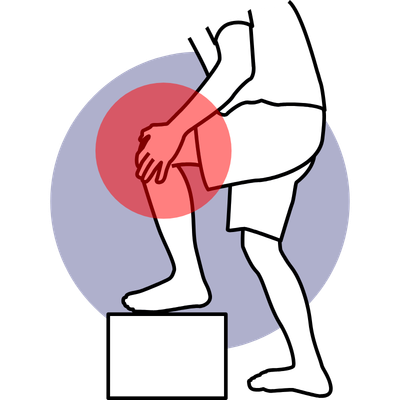
Knee arthritis can gradually make everyday movements more difficult. Pain that once occurred only after long walks or physical activity may eventually affect walking, climbing stairs, getting up from a chair, or even sleeping at night. The decision for surgery is not based on an X-ray alone. Your symptoms, physical examination, joint movement, imaging findings and response to earlier treatment are all considered. If non-surgical treatment is no longer providing enough relief, Total Knee Replacement may be recommended to help reduce pain and improve mobility.
Persistent Pain
Advanced Arthritis
Difficult Walking
Limited Movement
Sleep Disturbance
What Is Actually Happening Inside the Knee?
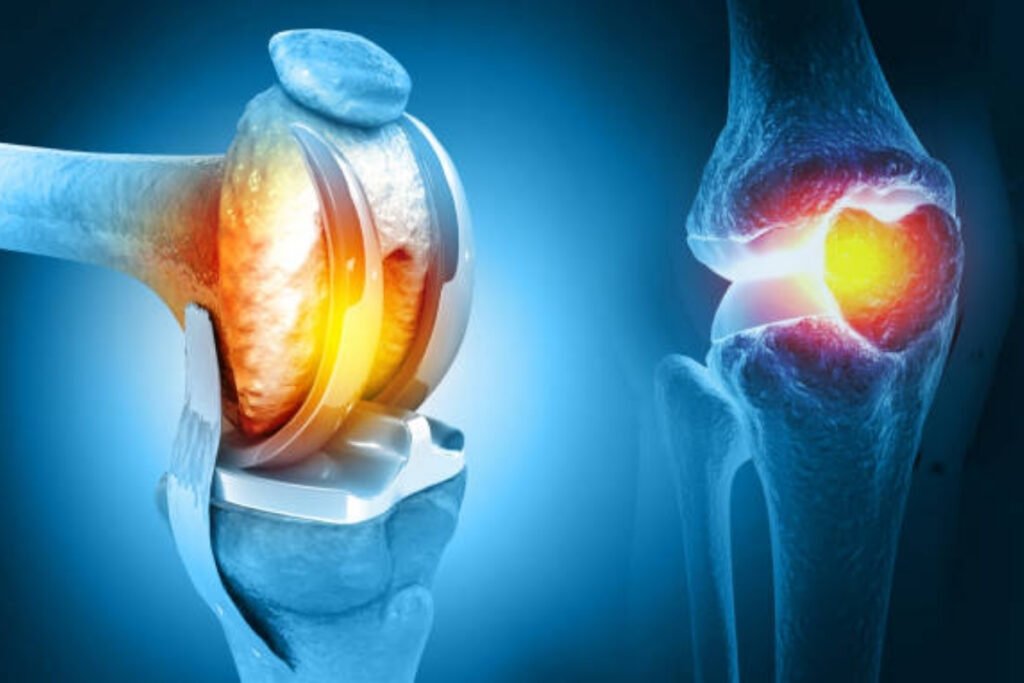
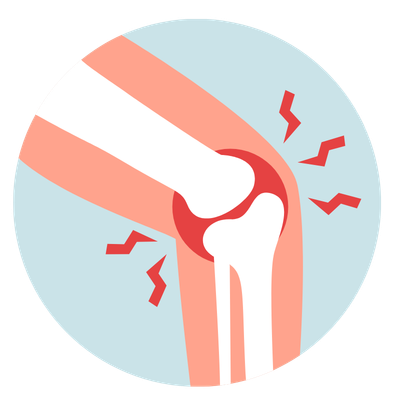
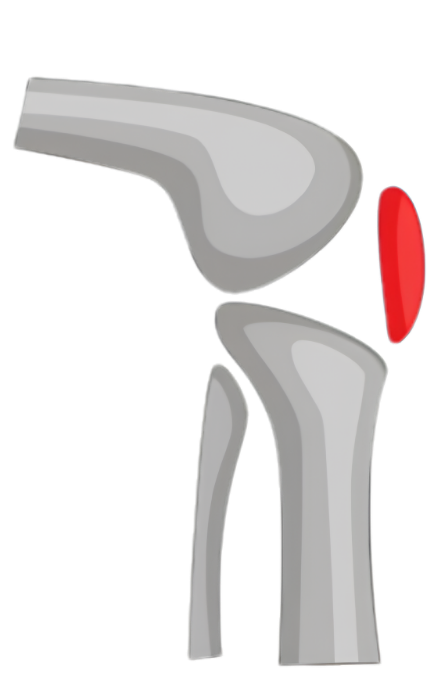
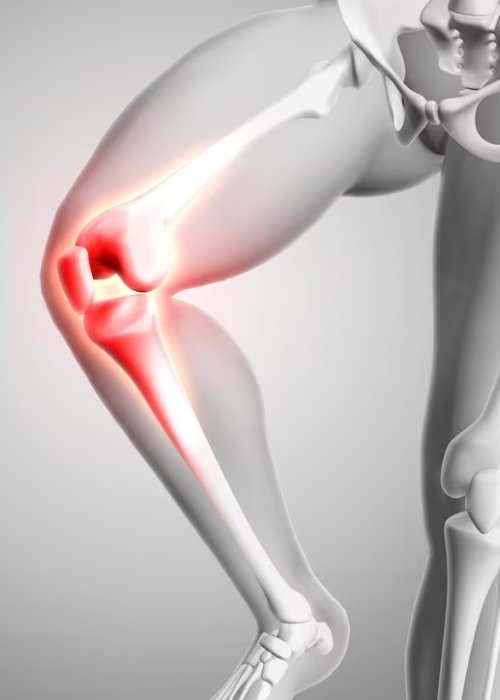
The knee joint is formed by the lower end of the thigh bone, upper end of the shin bone and the kneecap. These surfaces are normally covered by smooth cartilage that allows the bones to move against each other with minimal friction.
With advanced osteoarthritis, the cartilage gradually wears away. This can lead to narrowing of the joint space, changes in the underlying bone, inflammation, stiffness and pain. When the damaged surfaces can no longer function effectively and symptoms become difficult to control, Total Knee Replacement may be recommended.
Total Knee Replacement in Mumbai: How Is the Decision Made?
The first step is understanding the knee problem in detail. Dr. Pradeep Nair evaluates:

Symptoms
Location, severity, duration and pattern of knee pain

Movement
Range of motion, stiffness, stability and functional limitations

Alignment
Whether the knee has developed an inward or outward deformity

Imaging
X-rays and other investigations when clinically indicated

Previous Treatment
Response to medicines, physiotherapy, injections and activity modification

Lifestyle
Work requirements, mobility needs, exercise and recreational activities
Before Replacing the Joint, Explore What Can Be Preserved
Knee replacement is considered after appropriate non-surgical options have been evaluated. Depending on the condition, treatment may include:

Medication

Physiotherapy

Injections
Weight Management
The Goal Is More Than Replacing the Joint
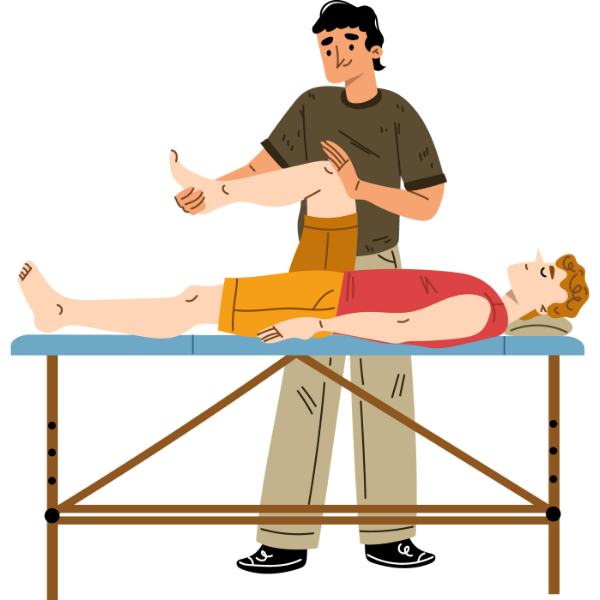
Successful recovery from Total Knee Replacement involves more than the operation itself. Early movement and structured rehabilitation are important parts of the treatment process.
After surgery, the focus generally progresses through:

Early Mobilisation
Movement of the knee and assisted walking are introduced as advised after surgery.

Strength & Movement
Physiotherapy focuses on restoring knee movement and strengthening the muscles supporting the joint.

Walking Progression
Walking aids are gradually reduced as strength, balance and confidence improve.

Functional Recovery
Patients progressively return to routine activities according to their recovery, strength and clinical progress.

Fellowship in Hip and Knee Surgery including Robotic Joint Replacement (South Korea)
Your Orthopedic Surgeon for Knee Care
Dr. Pradeep Nair specialises in the evaluation and treatment of knee, hip, sports and musculoskeletal conditions. His clinical practice includes Total Knee Replacement, Robotic Knee Replacement, Partial Knee Replacement, Total Hip Replacement and knee ligament reconstruction.
His approach begins with understanding the cause of knee pain through clinical examination, assessment of movement and alignment, and appropriate imaging. Surgery is recommended when the condition and symptoms indicate that it is the appropriate treatment option.
With an MBBS, MS Orthopedic and DNB Orthopedic, along with a Fellowship in Conventional and Robotic Joint Replacement from South Korea, Dr. Nair focuses on sound surgical planning, appropriate technology and structured rehabilitation to help patients regain mobility and return to their daily activities.
Happy Patients
FAQs About Total Knee Replacement
Is Total Knee Replacement only for older patients?
Age alone does not determine whether knee replacement is appropriate. The decision depends on the severity of joint damage, symptoms, functional limitations, overall health and response to other treatments.
How do I know if I need a Total Knee Replacement?
Persistent pain, significant arthritis on imaging and difficulty with daily activities may indicate that replacement should be considered. A clinical examination and appropriate imaging are required before making this decision.
Is robotic knee replacement better than conventional surgery?
Robotic assistance can improve surgical planning and component positioning in selected cases, but it is not automatically better for every patient. The appropriate technique depends on the patient’s anatomy and clinical requirements.
How long does recovery take after Total Knee Replacement?
Recovery occurs gradually. Early walking and exercises begin soon after surgery, followed by progressive strengthening and functional rehabilitation. The time required to return to different activities varies between patients.
Can I return to normal activities after knee replacement?
Most patients can gradually return to many routine activities after recovery. The timing and type of activity depend on healing, strength, range of motion and your surgeon’s advice.
Is knee replacement the only treatment for severe knee arthritis?
Not always. Treatment depends on the extent of joint damage and the patient’s symptoms. Non-surgical options may be appropriate in some cases, while advanced arthritis with persistent functional limitations may require joint replacement.
Take the Next Step Towards Better Knee Movement
Consult Dr. Pradeep Nair to understand your knee condition, treatment options and the next step towards improved mobility.