


Shoulder Pain Treatment in Mumbai

Understanding What May Be Causing Your Shoulder Pain

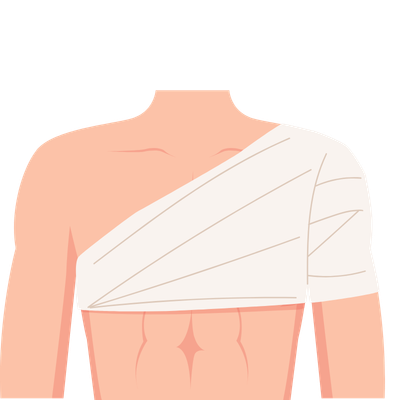
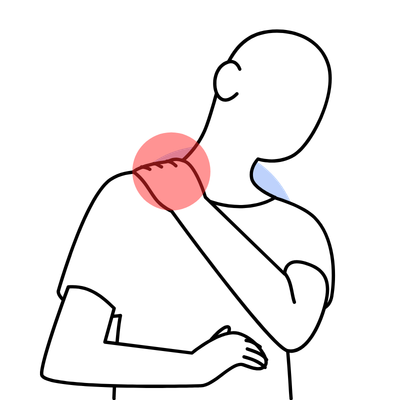
Shoulder pain can develop from problems involving the rotator cuff, tendons, muscles, joints or surrounding soft tissues. It may follow a sports injury, fall, repetitive overhead activity or gradual changes within the shoulder.

Some conditions cause pain mainly during movement, while others can lead to stiffness, weakness or discomfort at night. Pain may also make it difficult to lift the arm, reach overhead, dress or perform routine activities. The appropriate shoulder pain treatment depends on the underlying condition, severity of symptoms, duration of the problem and how much shoulder movement and strength have been affected.

When Is It Time to Consider Specialist Treatment?

Many shoulder problems can initially be managed without surgery. Specialist evaluation becomes important when pain persists, movement becomes restricted or symptoms continue despite appropriate treatment. The decision about further treatment depends on the clinical examination and the suspected cause of the pain. Imaging may be advised when needed, but the scan findings are considered alongside your symptoms and shoulder function.

Persistent Pain

Shoulder Weakness

Recurrent Injury

Limited Movement

Night Pain

What Is Happening Inside the Shoulder?

The shoulder is a complex joint that depends on muscles, tendons, ligaments and bones working together to provide a wide range of movement. Problems affecting any of these structures can lead to pain or restricted function.

Rotator cuff injuries, tendon inflammation, shoulder impingement, frozen shoulder, arthritis and instability are among the conditions that can cause persistent shoulder symptoms. Some injuries may occur suddenly, while others develop gradually with repeated use. Pain during overhead movements, weakness while lifting the arm or difficulty reaching behind the back can provide clues about the underlying problem. Identifying the specific cause is important before deciding on shoulder pain treatment.

Shoulder Pain Treatment in Mumbai: How Is the Right Treatment Decided?

Before recommending shoulder pain treatment, Dr. Pradeep Nair assesses the shoulder clinically and determines what may be contributing to the symptoms.

Pain Pattern

The intensity & movements that trigger pain help identify the structures that may be involved.

Shoulder Movement

Active and passive range of motion is assessed to identify stiffness, restriction or painful movement.

Muscle Strength

Shoulder strength is checked to look for weakness that may be associated with a rotator cuff or other structural problem.

Injury History

Falls, sports injuries, repetitive overhead activity and previous shoulder problems can influence the diagnosis.

Imaging Findings

X-rays, ultrasound or MRI may be recommended when they are likely to provide useful information about the joint or soft tissues.

Daily Function

Difficulty dressing, reaching, lifting, sleeping or performing work and sporting activities is considered when planning treatment.

Non-Surgical Treatments for Shoulder Pain

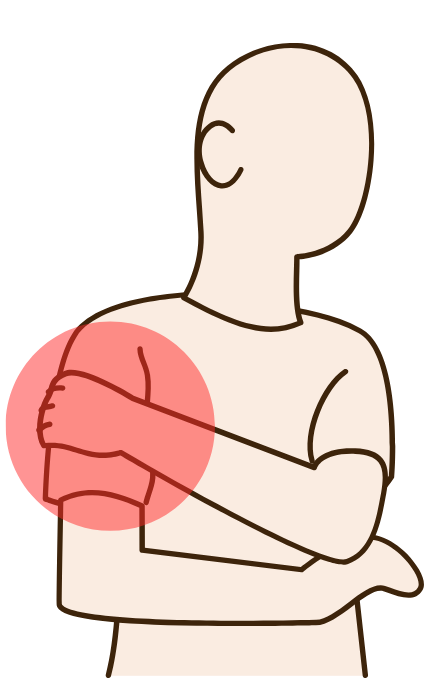
For many shoulder conditions, shoulder pain treatment begins with conservative measures. The aim is to control symptoms while restoring movement, strength and normal shoulder function.

Medication

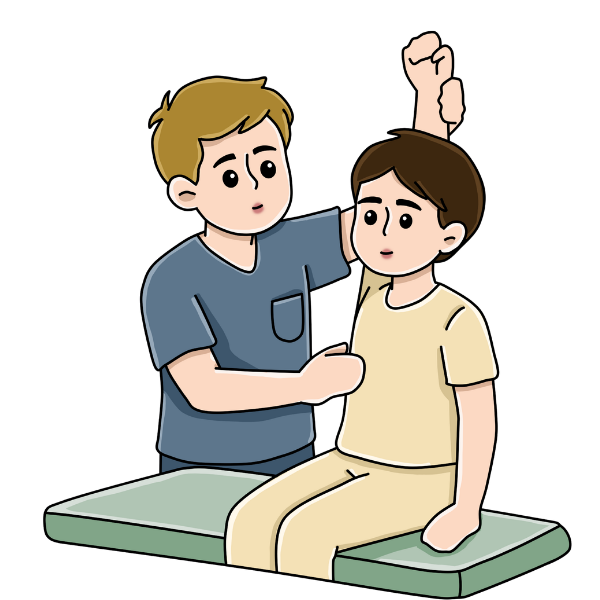
Physiotherapy

Injection Treatment
Strength Training

Restoring Shoulder Function Takes More Than Relieving Pain

The aim of shoulder pain treatment is to address the underlying problem while helping the shoulder regain useful movement and strength.

Recovery depends on the cause of the shoulder problem and the treatment provided. Following the rehabilitation plan is important for restoring movement and reducing the risk of recurrent symptoms.

Detailed Evaluation

The shoulder is assessed to understand the source of pain and identify any structural or movement-related problems.

Targeted Treatment

Medication, physiotherapy, activity modification or other appropriate measures are used according to the diagnosis.

Surgical Intervention

When a significant tear, instability, advanced joint damage or another structural problem requires surgery, the procedure is directed at the specific condition identified.

Functional Rehabilitation

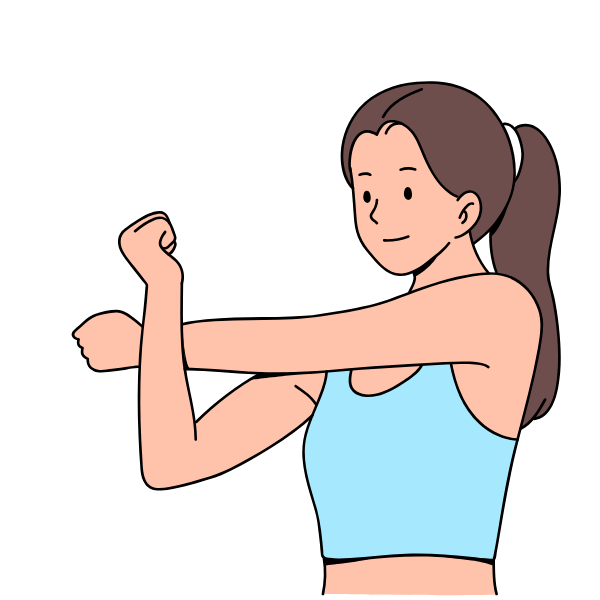
Recovery focuses on gradually restoring range of motion, strength and shoulder control before returning to normal activities or sports.

Dr. Pradeep Nair
MBBS, MS Orthopedic, DNB Orthopedic
Fellowship in Hip and Knee Surgery including Robotic Joint Replacement (South Korea)

Meet Your Shoulder & Sports Injury Specialist

Dr. Pradeep Nair is an experienced Orthopedic Surgeon with expertise in musculoskeletal conditions, sports injuries and problems affecting movement. He holds MBBS, MS Orthopedic and DNB Orthopedic qualifications and has completed a fellowship in Conventional and Robotic Joint Replacement in South Korea.

His assessment of shoulder problems considers the patient’s symptoms, range of motion, muscle strength, injury history and relevant imaging. This helps determine whether the condition is likely to respond to rehabilitation or requires further intervention.

For patients seeking shoulder pain treatment, the focus is on identifying the underlying condition and selecting treatment according to the severity of the problem and its effect on shoulder function.

Happy Patients

0 +

FAQs About Shoulder Pain Treatment

An evaluation is advisable when pain persists, shoulder movement becomes restricted, weakness develops or symptoms continue despite medication and appropriate physiotherapy.

Yes. Many shoulder conditions respond to medication, activity modification and structured physiotherapy. Surgery is considered when there is a specific structural problem or when appropriate non-surgical treatment does not provide sufficient improvement.

The assessment includes the pain pattern, shoulder movement, muscle strength, injury history and clinical examination. X-rays, ultrasound or MRI may be advised when further investigation is needed.

No. Treatment depends on the size and location of the tear, symptoms, shoulder strength, activity requirements and response to non-surgical care. Some tears can be managed effectively without surgery.

Some shoulder conditions, particularly rotator cuff problems and inflammation around the joint, can cause increased discomfort when lying down or turning during sleep. Persistent night pain should be assessed rather than ignored.

Recovery varies according to the underlying condition and whether treatment is non-surgical or surgical. Some conditions improve over several weeks, while significant injuries requiring surgery may need a longer rehabilitation period.

Shoulder Movement Matters as Much as Pain Relief

Consult Dr. Pradeep Nair for an orthopedic evaluation and understand the right shoulder pain treatment for your condition.

Copyright © 2026 Dr. Pradeep Nair | Designed by EEG Technogeeks 

Scroll to Top