
Shoulder Instability Treatment in Mumbai

Understanding Why the Shoulder Keeps Feeling Unstable

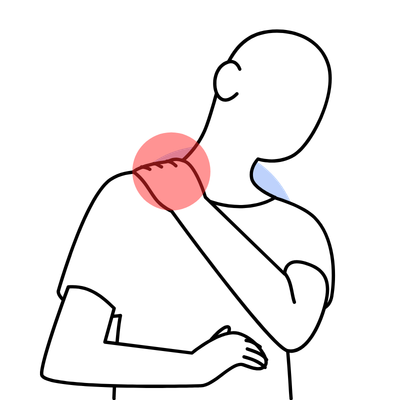
Shoulder instability occurs when the structures that normally keep the shoulder joint in position are unable to provide sufficient stability. It may develop after a shoulder dislocation, sports injury, fall or repeated overhead activity.

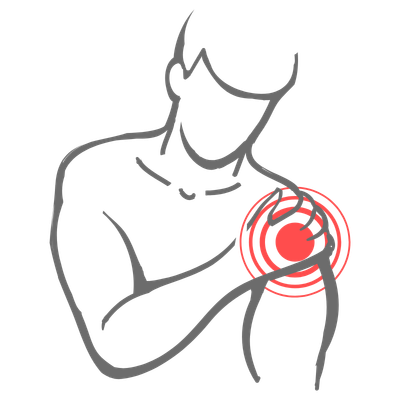
Some people experience a feeling that the shoulder may slip out of place, while others have repeated dislocations, clicking, weakness or apprehension during certain movements. Damage to the labrum, ligaments or surrounding tissues can contribute to ongoing instability. The appropriate shoulder instability treatment depends on the cause of instability, the number of previous episodes, the condition of the shoulder structures and the physical demands placed on the joint.

When Is It Time to Consider Specialist Treatment?

An isolated episode of instability may sometimes be managed with rehabilitation, but repeated slipping or dislocation requires a detailed orthopedic assessment. The decision about surgery is not based only on the number of dislocations. The direction of instability, associated injuries, bone loss, activity requirements and response to rehabilitation all influence the treatment plan.

Repeated Dislocation

Shoulder Slipping

Movement Apprehension

Shoulder Weakness

Failed Rehabilitation

What Happens When the Shoulder Loses Stability?

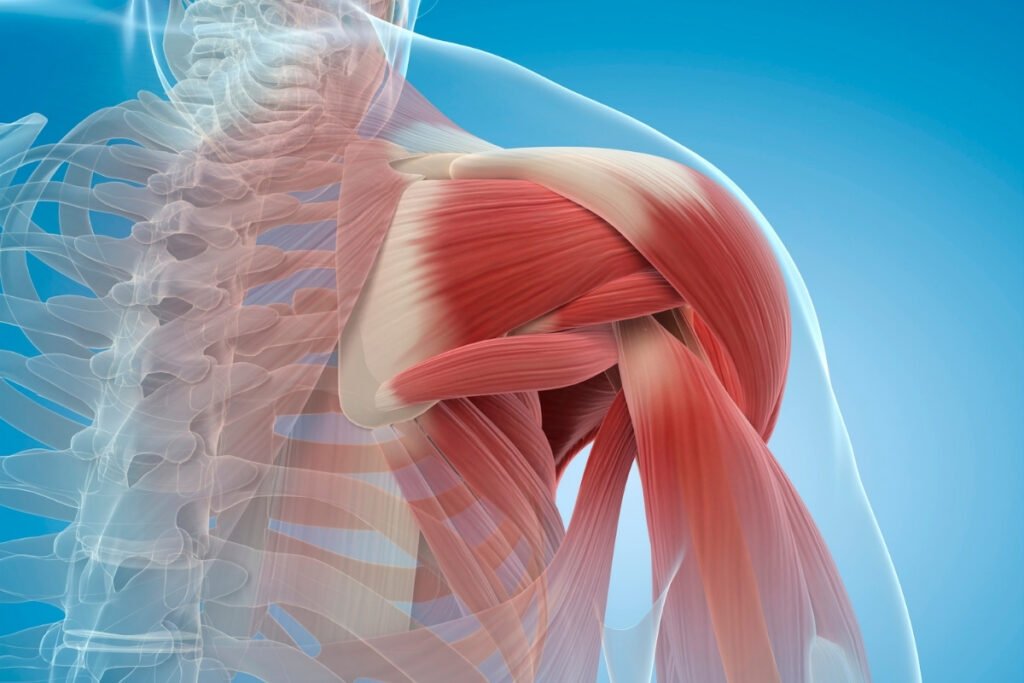
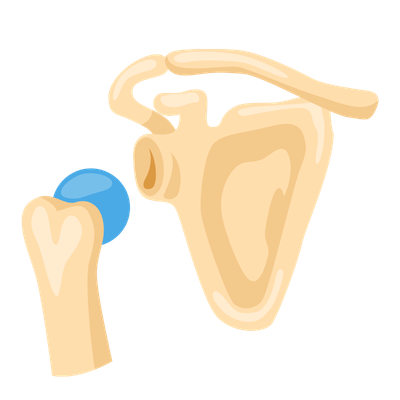
The shoulder is designed to provide a wide range of movement, but this mobility also makes it more dependent on soft tissues for stability. The labrum, ligaments, rotator cuff and surrounding muscles work together to keep the ball of the upper arm centred within the shoulder socket.

A dislocation can stretch or damage these stabilising structures. With repeated episodes, the shoulder may become easier to dislocate and certain movements may create a feeling that it is about to slip out again. In some patients, instability is associated with a labral tear or damage to the bone around the socket. Identifying these changes is important before deciding on shoulder instability treatment.

Shoulder Instability Treatment in Mumbai: How Is the Right Approach Decided?

Before recommending shoulder instability treatment, Dr. Pradeep Nair evaluates how the instability developed and examines the structures responsible for shoulder stability.

Instability Pattern

The direction and type of instability are assessed to understand how the shoulder is becoming unstable.

Shoulder Stability

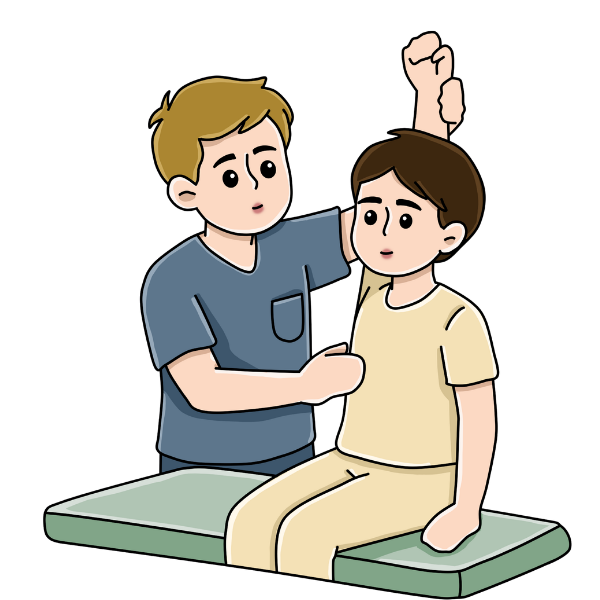
Clinical tests help assess how securely the shoulder moves within its socket.

Previous Dislocations

The number, severity and circumstances of previous dislocations or slipping episodes provide important information.

Bone Changes

X-rays or other imaging may be used to identify bone loss or changes associated with previous dislocations.

Labral Condition

The labrum may be assessed for tears or other damage that could contribute to recurrent instability.

Activity Requirements

Sports & occupation are considered when determining the required level of shoulder stability.
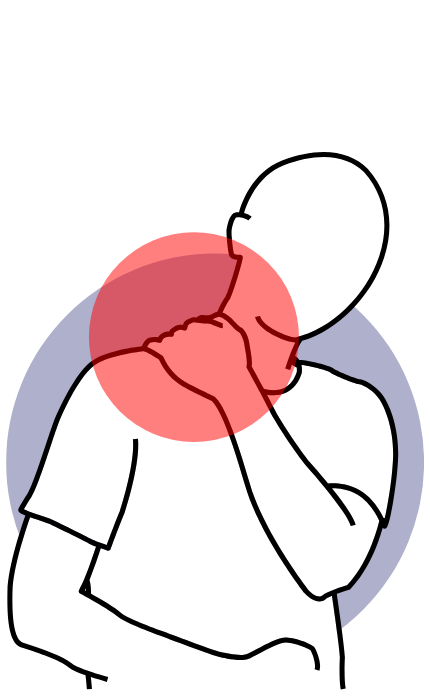
Build Stability Before Considering Surgery

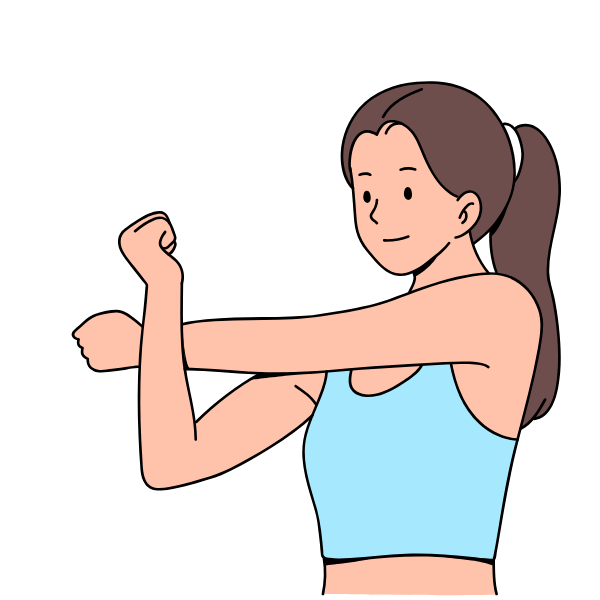
Not every unstable shoulder needs an operation. Depending on the severity and cause, non-surgical shoulder instability treatment may focus on improving muscle control and reducing movements that repeatedly stress the joint. If the shoulder remains unstable despite appropriate rehabilitation, particularly after repeated dislocations, further assessment may be needed to determine whether surgical stabilisation is appropriate.

Strength Training

Physiotherapy

Activity Modification

Movement Control
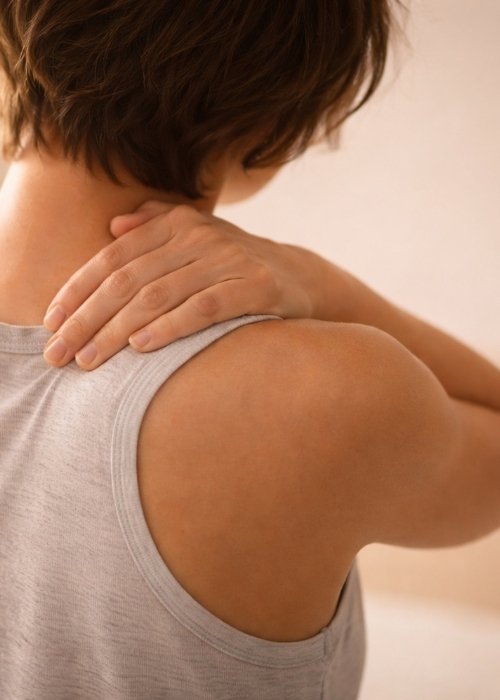
Goal of Shoulder Instability Treatment

The goal of shoulder instability treatment is to reduce recurrent episodes and restore reliable shoulder function. When surgery is required, rehabilitation remains an important part of the overall process.

Recovery varies depending on the severity of instability, the procedure performed and whether associated injuries require treatment. Returning to sports or demanding activities should be guided by shoulder strength, stability and functional recovery rather than time alone.

Detailed Assessment

The instability pattern, soft-tissue damage, bone condition and functional requirements are evaluated before treatment is planned.

Stability Procedure

When surgery is appropriate, the damaged stabilising structures may be repaired or reconstructed according to the specific injury.

Early Protection

The shoulder is protected during the initial healing period while controlled movement is introduced according to the procedure performed.

Strength & Function

Rehabilitation gradually progresses from movement and muscle control to strengthening and return to higher-demand activities.

Dr. Pradeep Nair
MBBS, MS Orthopedic, DNB Orthopedic
Fellowship in Hip and Knee Surgery including Robotic Joint Replacement (South Korea)

Meet Your Shoulder & Sports Injury Specialist

Dr. Pradeep Nair is an experienced Orthopedic Surgeon with expertise in musculoskeletal conditions and sports injuries. He holds MBBS, MS Orthopedic and DNB Orthopedic qualifications and has completed a fellowship in Conventional and Robotic Joint Replacement in South Korea.

His assessment of shoulder instability considers the history of dislocation or slipping episodes, shoulder stability, range of motion, muscle strength and relevant imaging. This helps determine whether rehabilitation is appropriate or whether structural stabilisation needs to be considered.

For patients requiring shoulder instability treatment, the focus is on restoring dependable shoulder function while addressing the factors that may be contributing to repeated instability.

Happy Patients

0 +

FAQs About Shoulder Instability Treatment

Surgery may be considered when the shoulder repeatedly dislocates or slips out, when there is significant structural damage or when appropriate rehabilitation does not provide sufficient stability.

Yes. Some patients improve with physiotherapy, strengthening and activity modification, particularly when there is no major structural damage or recurrent dislocation.

Previous dislocation can stretch or damage the labrum and other stabilising structures. Repeated episodes may further compromise shoulder stability and make future dislocations more likely.

The assessment includes the history of previous dislocations, physical stability tests, range of motion and muscle strength. X-rays, MRI or other imaging may be recommended when structural damage needs to be assessed.

Many patients can return to sports after appropriate treatment and rehabilitation. The timing depends on shoulder stability, strength, range of motion and the demands of the particular sport.

Recovery depends on whether treatment is non-surgical or surgical and on the extent of the injury. After stabilisation surgery, rehabilitation is progressed gradually to protect the repaired structures before higher-demand activities are resumed.

A Stable Shoulder Starts With the Right Assessment

Consult Dr. Pradeep Nair for an orthopedic evaluation and understand the appropriate shoulder instability treatment based on your shoulder condition.

Copyright © 2026 Dr. Pradeep Nair | Designed by EEG Technogeeks 

Scroll to Top