

Rotator Cuff Injuries Treatment in Mumbai
Understanding Rotator Cuff Injuries
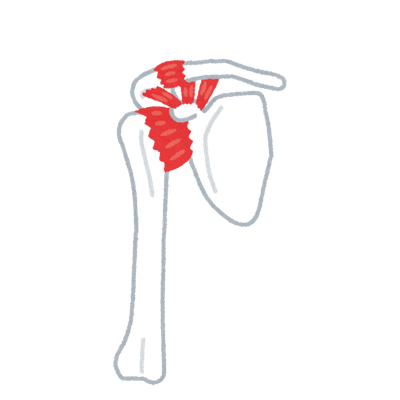
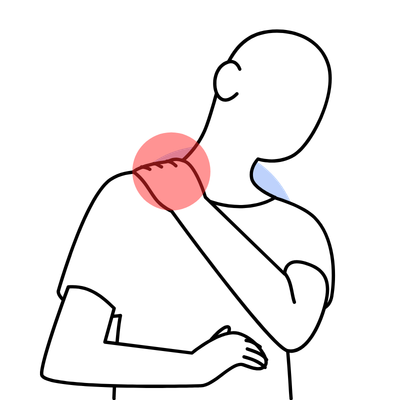
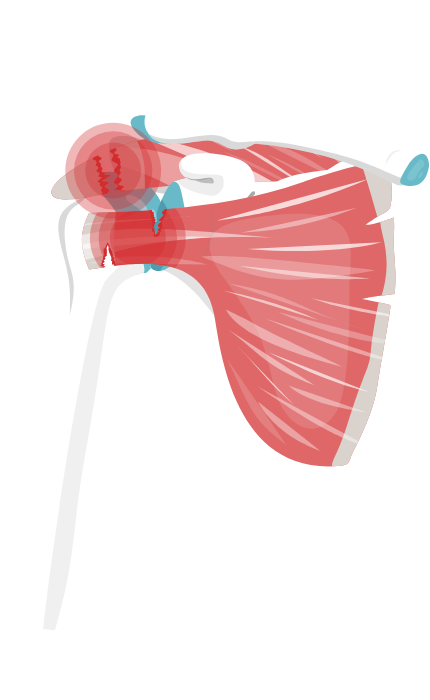
The rotator cuff is a group of four muscles and their tendons that help keep the shoulder stable and allow the arm to lift and rotate. These tendons can become irritated, inflamed or torn following an injury, repetitive overhead activity or gradual age-related changes.
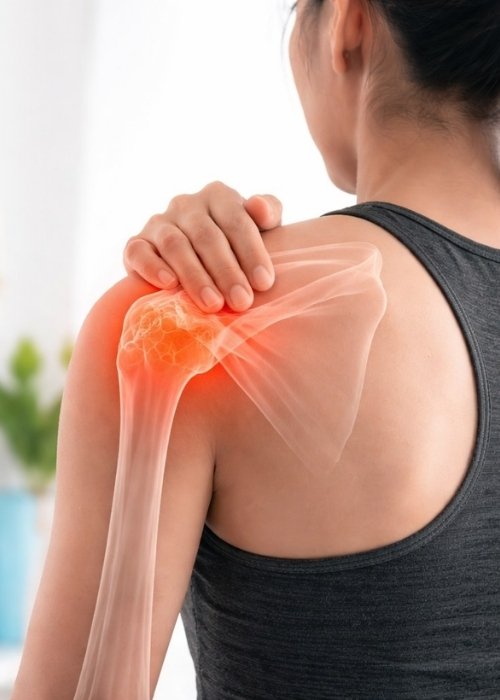
A rotator cuff injury may cause pain while lifting the arm, weakness during certain movements or discomfort at night. Some tears occur suddenly after a fall or forceful movement, while others develop gradually over time. The appropriate rotator cuff injuries treatment depends on the type and extent of the injury, the condition of the tendon, shoulder strength, activity requirements and how symptoms respond to initial treatment.
When Is It Time to Consider Specialist Treatment?
Not every rotator cuff injury requires surgery. Specialist evaluation becomes important when pain persists, shoulder strength decreases or symptoms continue to interfere with work, sports or everyday activities. The decision about surgery depends on the clinical findings and the nature of the tendon injury. The size of a tear on an MRI alone does not determine whether surgery is required.
Persistent Pain
Shoulder Weakness
Injury-Related Pain
Limited Movement
Night Discomfort
What Happens When a Rotator Cuff Tendon Is Damaged?
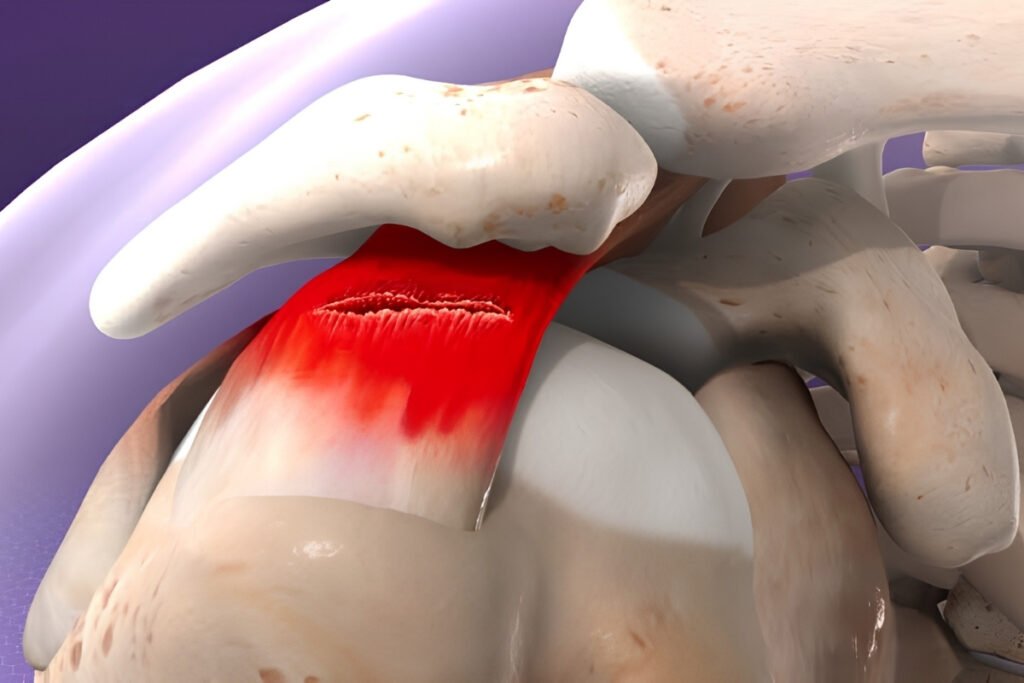
The rotator cuff helps centre the upper arm within the shoulder socket and provides control during lifting and rotation. When one or more tendons are irritated or torn, normal shoulder mechanics can become painful or less effective. A partial tear affects some of the tendon fibres, while a full-thickness tear extends through the entire tendon. Symptoms can vary considerably depending on the tendon involved, the extent of the damage and whether the injury developed suddenly or gradually.
A significant tear may cause weakness when lifting or rotating the arm. Identifying the extent of tendon damage and checking for associated shoulder problems are important before deciding on rotator cuff injuries treatment.
Rotator Cuff Injuries Treatment in Mumbai: How Is the Right Approach Decided?
Before recommending rotator cuff injuries treatment, Dr. Pradeep Nair evaluates the shoulder to understand the extent of tendon damage and its effect on shoulder function.

Tear Pattern
The location, depth and extent of tendon damage help determine the available treatment options.
Shoulder Strength
Muscle strength is assessed to identify functional weakness associated with the injured tendon.

Range of Motion
Active and passive shoulder movement is checked to identify pain, stiffness or loss of function.
Injury History
A fall, sudden injury, sports activity or gradual onset of symptoms can provide important information

Imaging Findings
Ultrasound or MRI may be recommended to assess the rotator cuff and identify the extent of tear.

Activity Requirements
Work, exercise & sporting demands are considered when determining the level of shoulder function.
Non- Surgical Treatments For Rotator Cuff Injuries
For many rotator cuff problems, rotator cuff injuries treatment can begin with non-surgical measures. The aim is to control pain and restore shoulder movement and strength. If symptoms improve and shoulder function is satisfactory, surgery may not be necessary. Persistent weakness, significant tears or failure of appropriate conservative treatment may lead to consideration of surgical repair.

Medication

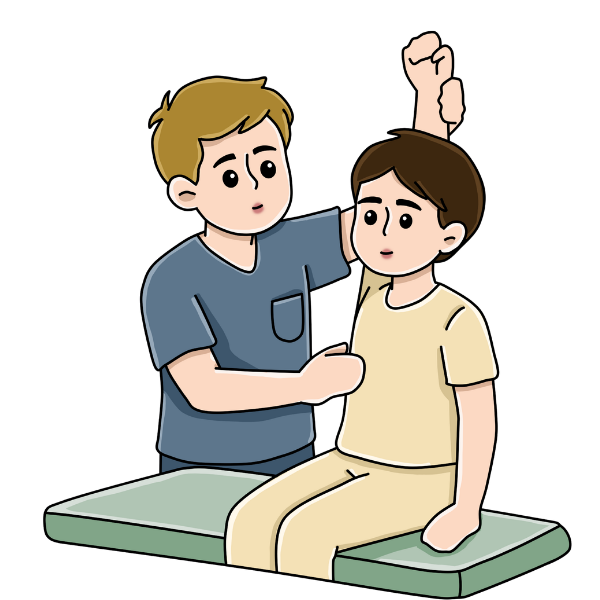
Physiotherapy

Injection Treatment
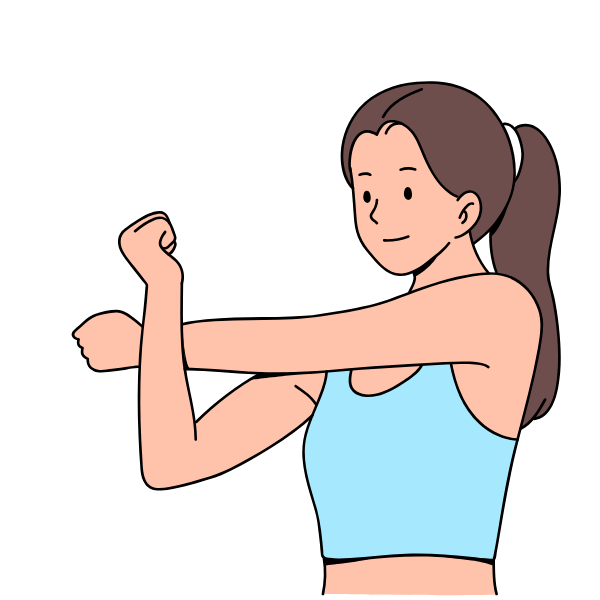
Strength Training
Repairing the Tendon Is Only One Part of Recovery
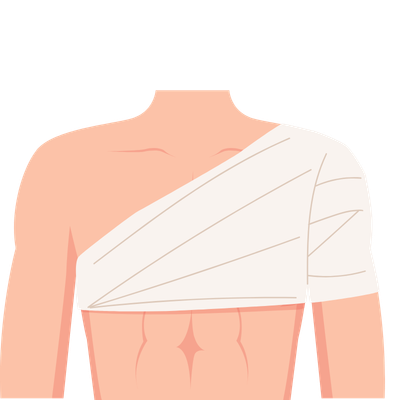
The goal of rotator cuff injuries treatment is to restore shoulder function while protecting the tendon during healing. When surgery is required, rehabilitation plays an important role in the outcome.
Recovery after rotator cuff repair can take several months and varies according to the size of the tear, the procedure performed and the individual’s rehabilitation progress. Returning to strenuous activity too early can place unnecessary stress on the healing tendon.

Detailed Assessment
The tear, shoulder movement, muscle strength and associated structural problems are evaluated before treatment.

Tendon Repair
When surgical repair is appropriate, the damaged tendon is reattached to the bone to restore its continuity and function.

Protected Rehabilitation
Early recovery involves protecting the repair while gradually introducing controlled shoulder movement.

Strength & Function
Rehabilitation progresses from mobility to strengthening and functional exercises before returning to work, sports or other demanding activities.

Fellowship in Hip and Knee Surgery including Robotic Joint Replacement (South Korea)
Meet Your Shoulder & Sports Injury Specialist
Dr. Pradeep Nair is an experienced Orthopedic Surgeon with expertise in musculoskeletal conditions and sports injuries. He holds MBBS, MS Orthopedic and DNB Orthopedic qualifications and has completed a fellowship in Conventional and Robotic Joint Replacement in South Korea.
His evaluation of rotator cuff problems considers shoulder strength, range of motion, injury history, functional requirements and relevant imaging. This helps distinguish injuries that may respond to rehabilitation from tears where surgical repair may be appropriate.
For patients requiring rotator cuff injuries treatment, the focus is on understanding the extent of tendon damage and restoring shoulder function through appropriate treatment and structured rehabilitation.
Happy Patients
FAQs About Rotator Cuff Injuries Treatment
Does every rotator cuff tear need surgery?
No. Some partial and even certain full-thickness tears can be managed with medication, activity modification and physiotherapy. Surgery depends on the symptoms, tear characteristics, shoulder strength and response to non-surgical treatment.
How does a rotator cuff tear affect shoulder movement?
A tear can cause pain and weakness during lifting or rotation of the arm. The effect varies according to which tendon is involved and the extent of the injury.
Can a rotator cuff injury heal without surgery?
Some tendon injuries and partial tears may improve with appropriate rehabilitation and activity modification. A complete tear may not heal back together on its own, although symptoms and shoulder function can sometimes be managed without surgery.
When is rotator cuff repair considered?
Repair may be considered for significant tears causing persistent pain or weakness, particularly when symptoms continue despite appropriate non-surgical treatment or when an acute injury causes substantial loss of shoulder function.
How long does recovery take after rotator cuff repair?
Most patients can gradually return to many routine activities after recovery. The timing and type of activity depend on healing, strength, range of motion and your surgeon’s advice.
When can I return to sports after rotator cuff treatment?
Return to sports depends on the type of injury, treatment performed, shoulder strength and functional recovery. Higher-demand overhead activities generally require a more gradual return.
Protecting Shoulder Strength Starts With the Right Diagnosis
Consult Dr. Pradeep Nair for an orthopedic evaluation and understand the appropriate rotator cuff injuries treatment for your shoulder.