

Partial Knee Replacement in Mumbai

Understanding Partial Knee Damage

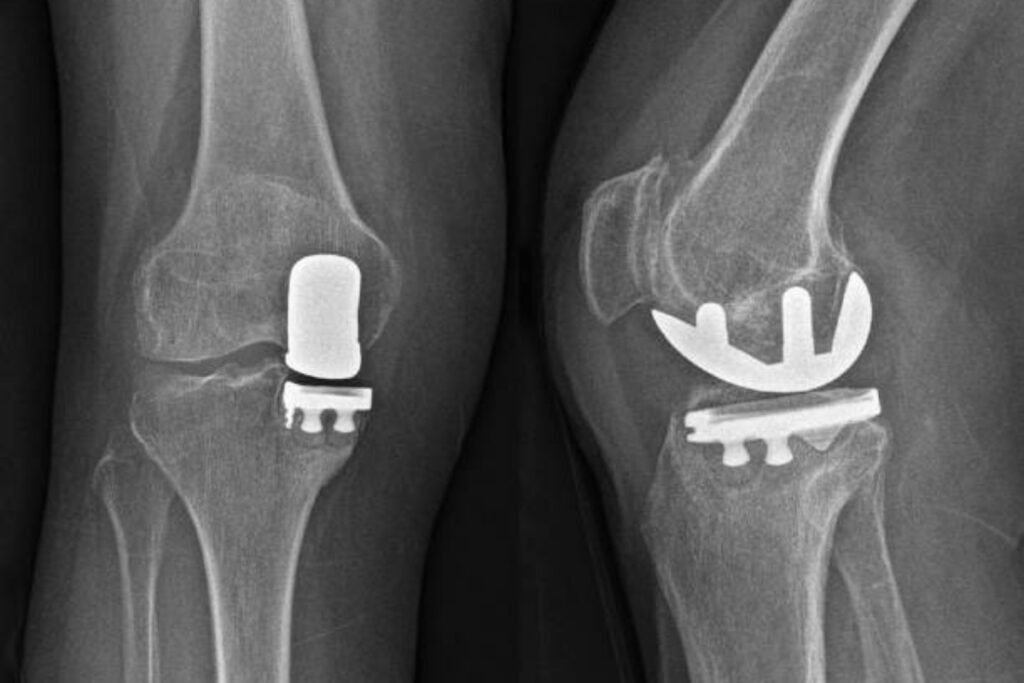
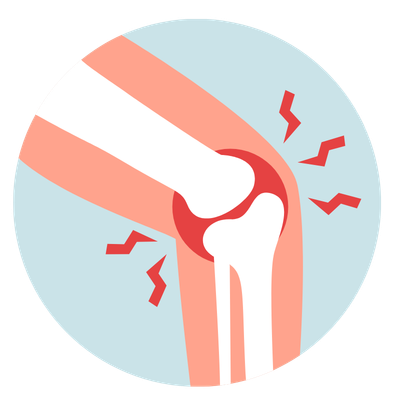
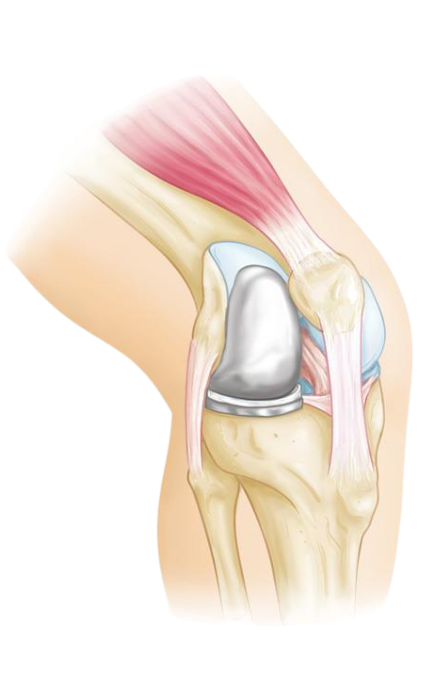
Partial Knee Replacement is considered when arthritis or damage affects only one compartment of the knee while the remaining parts of the joint are relatively healthy. Unlike Total Knee Replacement, only the damaged portion of the knee is replaced, allowing the unaffected areas and natural knee structures to be preserved.

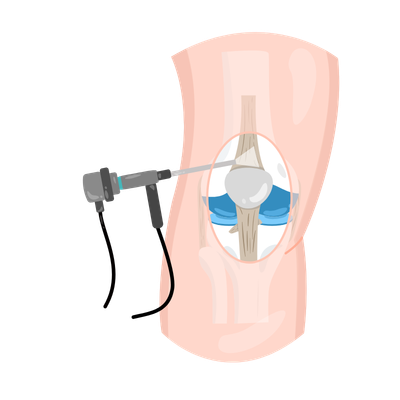
Dr. Pradeep Nair evaluates the location and extent of knee damage through a detailed clinical examination, assessment of knee movement and appropriate imaging. The decision for Partial Knee Replacement depends on the condition of the affected compartment, the health of the remaining knee and how symptoms are affecting daily activities.

When Is It Time to Consider Surgery?

Partial Knee Replacement may be considered when arthritis remains limited to one part of the knee and symptoms continue despite appropriate non-surgical treatment. The decision is based on both the condition of the joint and the impact of symptoms on everyday movement. Surgery is not recommended based on an X-ray finding alone. Dr. Nair considers the location of arthritis, knee movement, alignment, ligament function, symptoms, previous treatment and overall physical activity before deciding whether Partial Knee Replacement is appropriate.

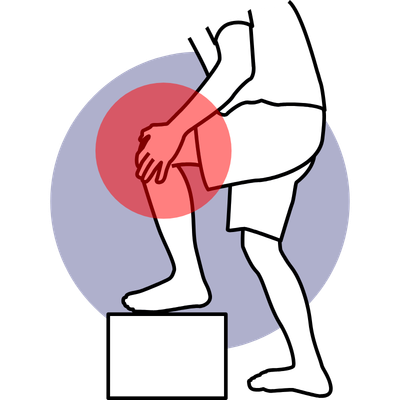
Persistent Pain

Localised Arthritis

Walking Difficulty

Knee Stiffness

Treatment Failure

What Is Actually Happening Inside the Knee?

The knee is made up of three main compartments, with cartilage covering the surfaces where the bones meet. This cartilage allows the joint to move smoothly and helps absorb forces during walking and other activities.

In some patients, arthritis is mainly confined to one compartment while the other areas of the knee remain in good condition. As the cartilage in the affected compartment wears down, the bones can come closer together, leading to pain, stiffness and difficulty with movement. When the damage is limited and the rest of the knee remains suitable, Partial Knee Replacement can replace the affected compartment without replacing the entire knee joint.

Partial Knee Replacement in Mumbai: How Is the Decision Made?

Choosing Partial Knee Replacement requires a careful assessment of which part of the knee is affected and whether the remaining joint structures can continue to function normally. The assessment generally includes:

Symptoms

The location, severity and duration of pain, along with how symptoms affect walking and daily activities.

Movement

The range of knee movement and the presence of stiffness or difficulty bending and straightening the knee.

Alignment

The position and alignment of the knee are assessed to understand how forces are distributed across the joint.

Imaging

X-rays and other imaging, when required, help identify the affected compartment and assess the condition of the remaining knee.

Ligament Function

The stability and function of the knee ligaments are considered because they play an important role in determining suitability for partial replacement.

Lifestyle

Daily activity levels, physical demands and functional goals are considered while planning the most appropriate treatment.

Before Replacing the Joint, Explore What Can Be Preserved

Not every patient with knee arthritis requires joint replacement. When symptoms are manageable and the condition allows, non-surgical measures may help reduce pain and maintain knee function.

Medication

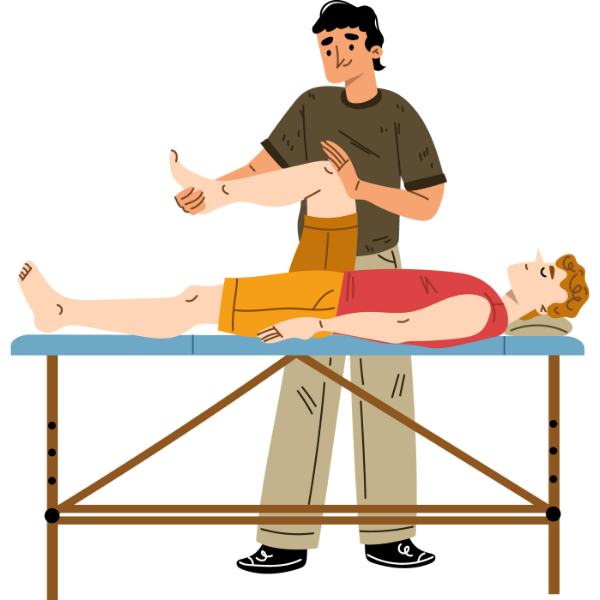
Physiotherapy

Injections

Weight Management
The Goal Is More Than Replacing the Joint

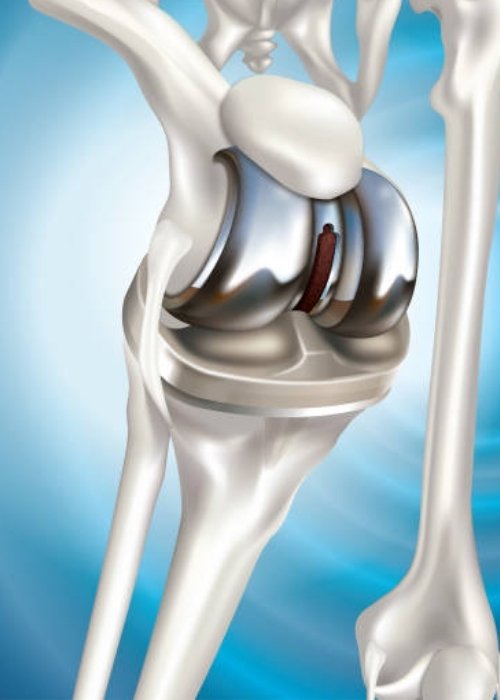
The aim of Partial Knee Replacement is to treat the damaged part of the knee while preserving the healthy compartments and as much of the natural knee structure as possible.

Recovery also involves more than the surgical procedure. Early movement and structured rehabilitation help restore knee function, strength and walking ability after surgery. After surgery, the focus generally progresses through:

Early Mobilisation

Knee movement and assisted walking are started as advised, helping the joint begin moving safely after surgery.

Strength & Movement

Physiotherapy focuses on improving knee flexibility and strengthening the muscles that support the joint.

Walking Progression

Walking ability gradually improves as strength, balance and confidence return, with walking aids reduced when appropriate.

Functional Recovery

Patients progressively return to routine activities based on knee movement, muscle strength, healing and overall clinical progress.

Dr. Pradeep Nair
MBBS, MS Orthopedic, DNB Orthopedic
Fellowship in Hip and Knee Surgery including Robotic Joint Replacement (South Korea)

Your Orthopedic Surgeon for Knee Care

Dr. Pradeep Nair is an experienced orthopedic surgeon treating knee, hip, sports and musculoskeletal conditions. His clinical practice includes knee replacement surgery, partial and total knee replacement, robotic joint replacement, knee ligament reconstruction, meniscus surgery and fracture management.

He holds MBBS, MS Orthopedic and DNB Orthopedic qualifications and has completed a Fellowship in Conventional and Robotic Joint Replacement in South Korea. He is also a member of the Bombay Orthopedic Society.

For patients being considered for Partial Knee Replacement, Dr. Nair evaluates the affected compartment, remaining knee structures, symptoms and imaging before planning treatment. Surgical technique and rehabilitation are considered as part of the overall treatment plan.

Happy Patients

0 +

FAQs About Partial Knee Replacement

No. It is generally considered when arthritis is limited to one compartment and the remaining knee structures are suitable. A clinical examination and appropriate imaging are needed to determine suitability.

Yes. Robotic-assisted techniques may be considered in suitable cases. The choice between conventional and robotic-assisted surgery depends on the patient’s anatomy, condition and surgical requirements.

Recovery varies between individuals. Knee movement, muscle strength, general fitness, activity level and the condition of the knee before surgery can all influence the pace of rehabilitation.

Partial Knee Replacement replaces only the damaged compartment of the knee, while Total Knee Replacement replaces the damaged joint surfaces across the knee. The appropriate procedure depends on the extent and location of arthritis.

Neither procedure is universally better. The choice depends on the location of arthritis, knee alignment, ligament function, remaining joint condition and other clinical factors.

Many patients gradually return to routine activities as healing, knee movement and strength improve. The timing depends on individual recovery and the activities being resumed.

Is Partial Knee Replacement Right for You?

Discuss your knee symptoms and scan findings with Dr. Pradeep Nair and understand whether Partial Knee Replacement is the right surgical option for you.

Copyright © 2026 Dr. Pradeep Nair | Designed by EEG Technogeeks 

Scroll to Top