


Robotic Knee Replacement in Mumbai

Understanding Robotic Knee Replacement

Severe knee arthritis can gradually damage the joint surfaces, leading to persistent pain, stiffness and difficulty with walking or other routine movements. When non-surgical treatment is no longer providing sufficient relief and knee replacement becomes necessary, robotic-assisted surgery may be considered as one approach to performing the procedure.

Robotic Knee Replacement uses detailed imaging and computer-assisted planning to help the surgeon prepare the knee and position the implant according to the patient’s individual anatomy. Dr. Pradeep Nair evaluates the extent of arthritis, knee alignment, movement and functional requirements before deciding whether robotic-assisted knee replacement is appropriate.

When Is It Time to Consider Surgery?

Robotic-assisted surgery is considered only when knee replacement itself is clinically indicated. The presence of arthritis alone does not mean that a patient requires surgery. Persistent symptoms and their effect on mobility, sleep and everyday activities are important parts of the assessment. The choice of a robotic approach is made after establishing that knee replacement is required and assessing whether the technology offers a suitable way to plan and perform the procedure. Symptoms, examination findings, X-rays, alignment and previous treatment all contribute to this decision.

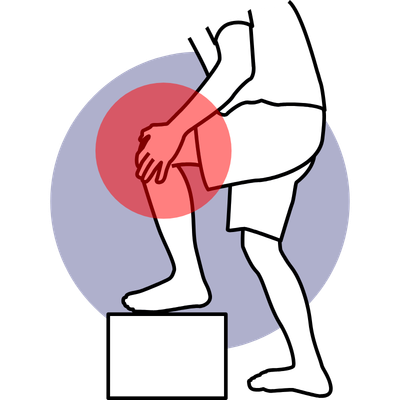
Persistent Pain

Advanced Arthritis

Difficult Walking

Knee Stiffness

Treatment Failure

What Is Actually Happening Inside the Knee?

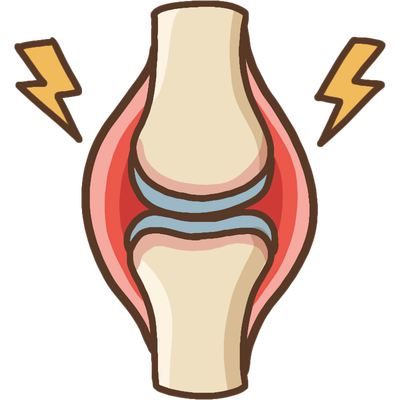
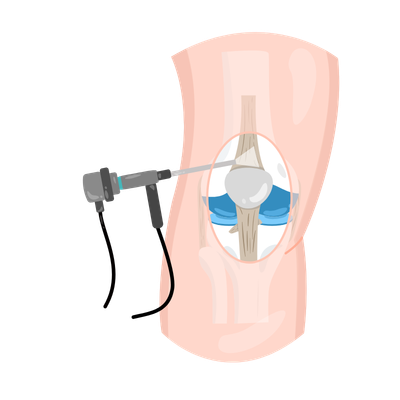
Healthy knee cartilage allows the joint surfaces to glide smoothly over one another. With progressive arthritis, this protective cartilage wears away and the underlying bone becomes increasingly exposed. This can cause pain, stiffness and reduced movement.

As arthritis advances, changes in the shape and alignment of the knee may also develop. These changes can affect how forces pass through the joint and may make walking increasingly uncomfortable. When the damage becomes extensive enough to require knee replacement, the worn joint surfaces are removed and replaced with artificial components. Robotic-assisted technology can be used during planning and surgery to help the surgeon work with greater information about the patient’s individual knee anatomy.

Robotic Knee Replacement in Mumbai: How Is the Decision Made?

Choosing Robotic Knee Replacement in Mumbai involves two separate considerations: whether knee replacement is necessary and whether robotic assistance is appropriate for that particular patient. Dr. Pradeep Nair assesses:

Arthritis Severity

The extent and location of cartilage loss are evaluated to understand how significantly the knee has been damaged.

Knee Alignment

The natural alignment of the leg and the way forces pass through the knee are examined as part of surgical planning.

Joint Movement

Bending, straightening and areas of stiffness are assessed to understand the functional condition of the knee.

Imaging Findings

X-rays and other required imaging provide information about joint surfaces, bone condition and overall structure.

Surgical Requirements

The complexity of the replacement and the anatomical factors involved are considered.

Functional Needs

Walking requirements, work, exercise and other regular activities help establish the functional goals of treatment.

When Surgery Can Still Be Avoided

Knee replacement is not the first option for every patient with arthritis. Depending on the severity of symptoms and the extent of joint damage, conservative measures may continue to provide useful symptom control.

Medication

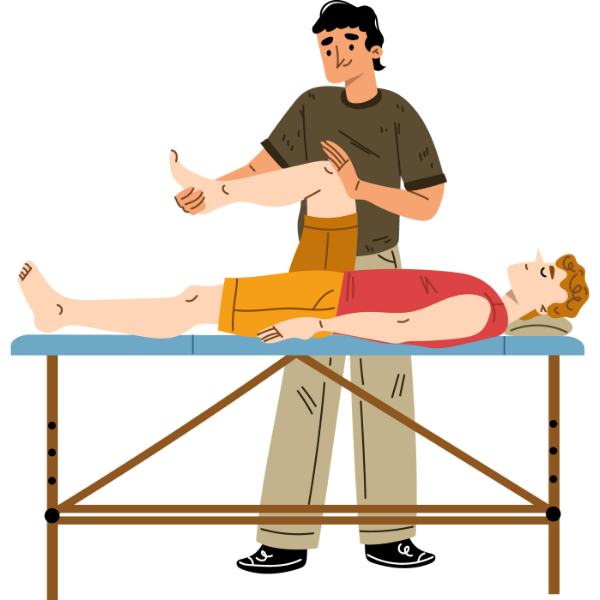
Physiotherapy

Injections

Weight Management

Where Robotic Assistance Adds Value

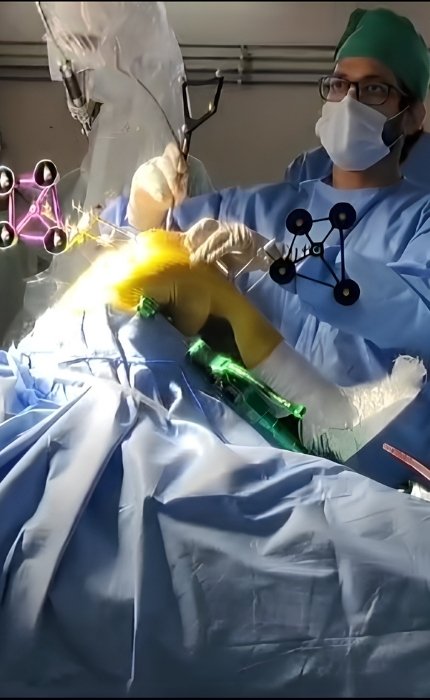
The purpose of robotic assistance is not to replace the surgeon’s decision-making. It provides additional information during planning and surgery, helping the surgeon work with a detailed representation of the patient’s knee anatomy.

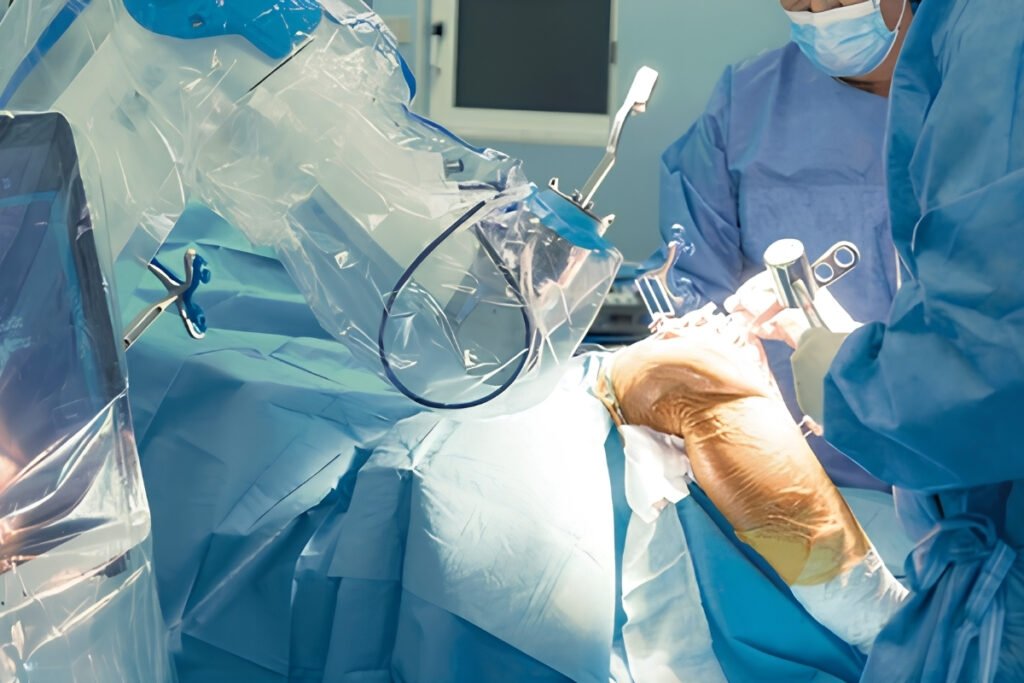
During Robotic Knee Replacement, computer-assisted technology can help with aspects such as bone preparation, alignment assessment and implant positioning. The surgeon remains responsible for interpreting the information, making surgical decisions and carrying out the procedure. The treatment process generally progresses through:

Detailed Planning

Imaging and anatomical information are used to develop a surgical plan based on the individual knee.

Guided Preparation

The robotic system assists the surgeon during preparation of the damaged bone surfaces according to the planned parameters.

Implant Positioning

The technology provides intraoperative information that can assist the surgeon in assessing implant position and knee alignment.

Functional Recovery

Following surgery, rehabilitation focuses on restoring movement, strength, walking ability and function as healing progresses.

Dr. Pradeep Nair
MBBS, MS Orthopedic, DNB Orthopedic
Fellowship in Hip and Knee Surgery including Robotic Joint Replacement (South Korea)

Meet Your Robotic Knee Replacement Specialist

Dr. Pradeep Nair is an orthopedic surgeon with clinical practice covering knee and hip replacement, robotic joint replacement, sports-related knee conditions, ligament reconstruction, meniscus surgery, fracture management and non-surgical orthopedic care.

He holds MBBS, MS Orthopedic and DNB Orthopedic qualifications and has completed a Fellowship in Conventional and Robotic Joint Replacement in South Korea. He is also a member of the Bombay Orthopedic Society.

For patients considering robotic-assisted knee replacement, Dr. Nair assesses the condition of the knee, alignment, movement and imaging findings before planning the procedure. Robotic technology is incorporated when it is considered suitable for the patient’s anatomy and surgical requirements.

Happy Patients

0 +

FAQs About Robotic Knee Replacement

Robotic Knee Replacement may be considered when advanced knee arthritis causes ongoing pain, stiffness and difficulty with movement despite appropriate non-surgical treatment. The need for knee replacement is assessed first, followed by consideration of whether robotic assistance is suitable.

Robotic-assisted technology provides the surgeon with detailed information about the knee during the procedure. This can help assess implant position and alignment according to the planned surgical parameters.

The basic goal of both procedures is to replace damaged knee joint surfaces. The main difference is that robotic-assisted surgery uses additional computer-based planning and intraoperative guidance to support the surgeon during the procedure.

Dr. Pradeep Nair considers the severity of arthritis, knee alignment, movement, bone condition, imaging findings and overall surgical requirements. These factors help determine whether robotic-assisted or conventional knee replacement is more appropriate.

The timing varies from person to person. Walking, exercises and routine activities are gradually increased as knee movement, muscle strength, healing and overall function improve.

The procedure is performed by the orthopedic surgeon, with robotic technology providing planning and intraoperative guidance. It can assist with bone preparation, alignment assessment and implant positioning during the operation.

A More Informed Approach to Knee Replacement

Consult Dr. Pradeep Nair to assess your knee, discuss whether robotic-assisted replacement is appropriate and understand what to expect from the treatment process.

Copyright © 2026 Dr. Pradeep Nair | Designed by EEG Technogeeks 

Scroll to Top