

Total Hip Replacement in Mumbai
Understanding Your Hip Pain
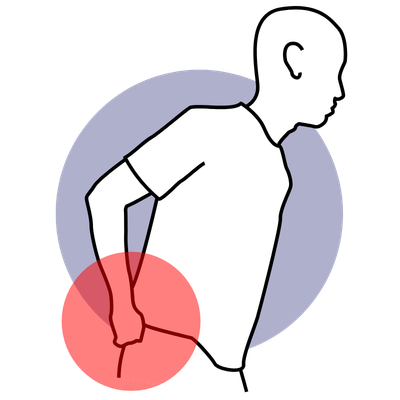
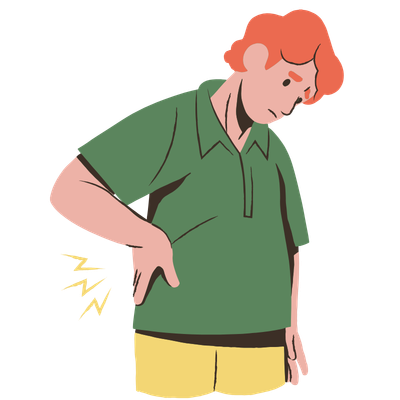
Hip arthritis can gradually damage the smooth cartilage covering the joint, making movements such as walking, standing, climbing stairs and getting up from a chair increasingly painful. As the joint becomes more worn, stiffness and reduced mobility may begin to interfere with everyday activities.
When medication, physiotherapy and other non-surgical measures no longer provide adequate relief, Total Hip Replacement may be considered. Dr. Pradeep Nair assesses the source and severity of hip pain, joint movement, imaging findings and functional limitations before determining whether hip replacement is appropriate.
When Is It Time to Consider Surgery?
Hip replacement is generally discussed when pain and stiffness continue to restrict normal movement despite suitable non-surgical treatment. The severity of joint damage and its effect on everyday function both play an important role in deciding whether surgery is necessary. The decision is not made from an X-ray alone. Dr. Nair considers the patient’s symptoms, physical examination, hip movement, imaging, previous treatment and activity requirements before determining whether Total Hip Replacement or another treatment would be more appropriate.
Persistent Pain
Advanced Arthritis
Walking Difficulty
Hip Stiffness
Treatment Failure
What Is Actually Happening Inside the Hip?
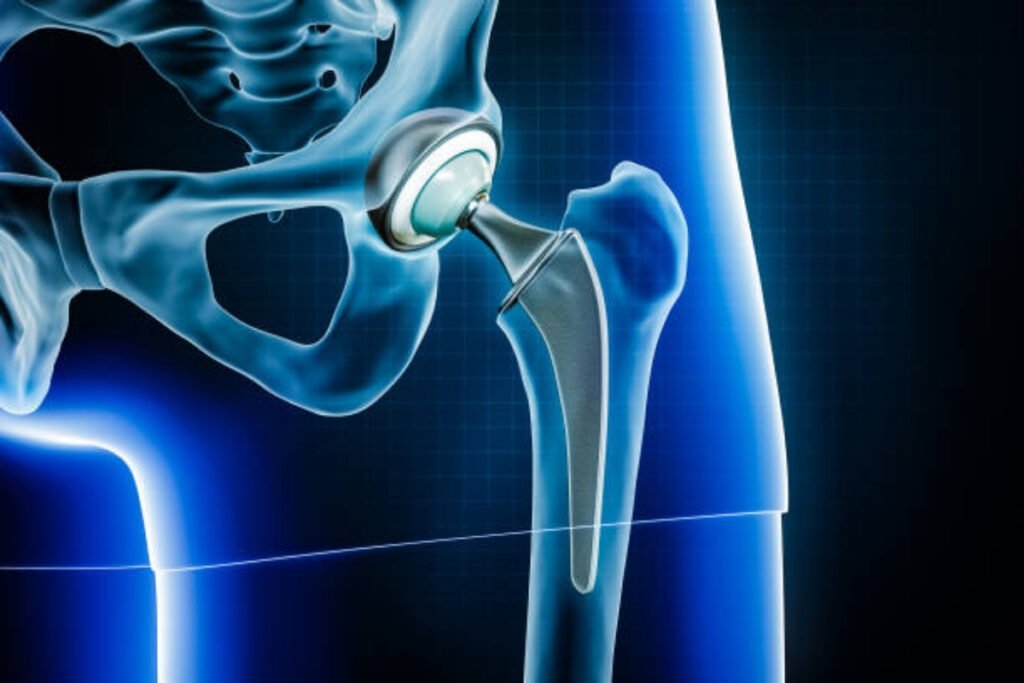
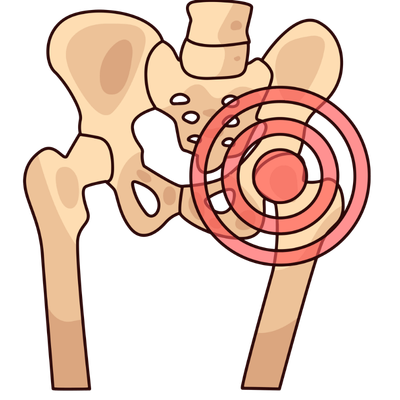
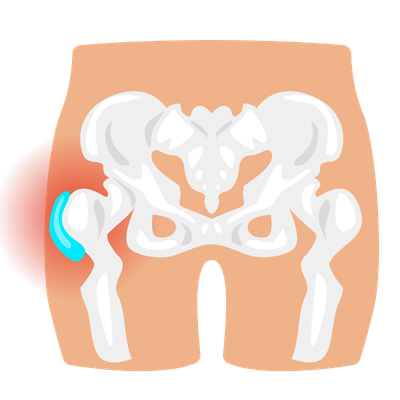
The hip is a ball-and-socket joint formed by the head of the thigh bone and the socket of the pelvis. Healthy cartilage allows these surfaces to move smoothly with very little friction.
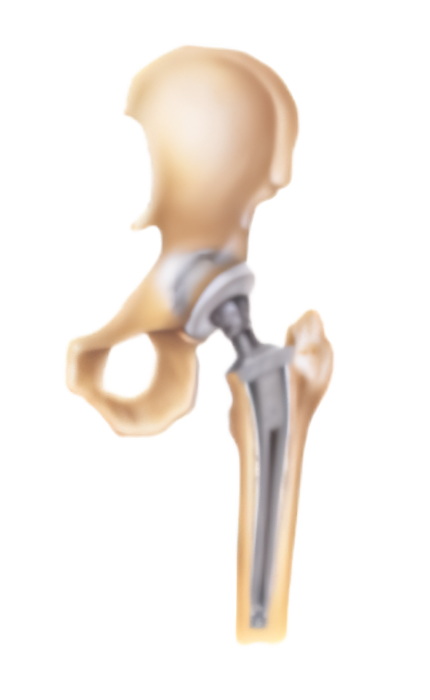
With advancing arthritis, this cartilage can become thin or worn away. The joint surfaces then move less smoothly, which may cause pain, stiffness and difficulty with movements that place weight through the hip. As the damage progresses, the joint may become increasingly restricted and painful. Total Hip Replacement replaces the damaged ball and socket surfaces with artificial components to restore a functional joint when the natural joint can no longer provide adequate movement and comfort.
Total Hip Replacement in Mumbai: How Is the Decision Made?
For Total Hip Replacement in Mumbai, the assessment begins with understanding why the hip is painful and how much the condition is affecting function. The extent of joint damage is then considered alongside the patient’s physical condition and treatment history. Dr. Pradeep Nair evaluates:

Pain Pattern
The location, severity and frequency of pain are assessed, including whether discomfort occurs during walking, resting or at night.

Hip Movement
The range of motion is examined to identify stiffness and movements that have become difficult or painful.

Imaging
X-rays and other investigations, when required, help assess cartilage loss, joint-space changes, bone condition and structural damage.

Walking Ability
Changes in walking pattern, distance and the need for support provide useful information about the functional impact of the hip problem.

Previous Treatment
Medication, physiotherapy, injections and other measures already tried are reviewed along with the relief they have provided.

Activity Requirement
Work, exercise, household activities and other regular movements are considered when discussing treatment and expected function.
When Non-Surgical Treatment Still Has a Role
Hip replacement is not automatically required when arthritis is diagnosed. Depending on the severity of symptoms and joint damage, non-surgical measures may help control pain and maintain movement.

Medication

Physiotherapy

Injections

Weight Management
Restoring Movement Starts With More Than the Operation
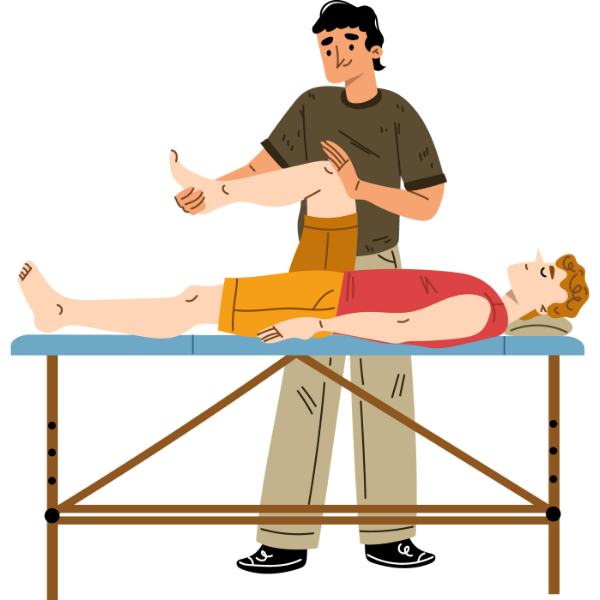
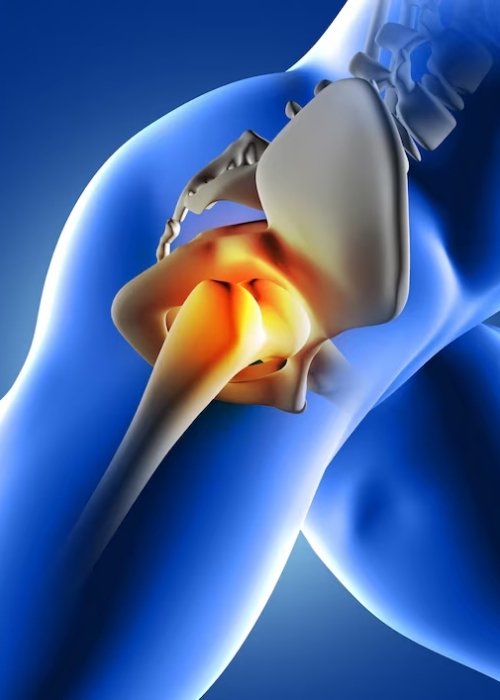
Replacing the damaged hip joint is only one part of the treatment process. Recovery also involves gradually restoring movement, muscle strength, balance and confidence with everyday activities.
The rehabilitation process generally progresses through:

Early Mobilisation
Movement and assisted walking are introduced as advised, helping the patient begin using the new hip safely.

Strength & Movement
Exercises focus on improving hip movement and rebuilding the muscles required for standing, walking and daily activities.

Walking Progression
Walking support is gradually reduced as balance, leg strength and control improve during recovery.

Functional Recovery
Routine activities are reintroduced progressively according to healing, mobility, strength and overall clinical progress.

Fellowship in Hip and Knee Surgery including Robotic Joint Replacement (South Korea)
Meet Your Hip Replacement Specialist
Dr. Pradeep Nair is an experienced orthopedic surgeon treating conditions involving the hip, knee and musculoskeletal system. His clinical practice includes total hip replacement, knee replacement, robotic joint replacement, sports injury treatment, ligament reconstruction, meniscus surgery and fracture management.
He holds MBBS, MS Orthopedic and DNB Orthopedic qualifications and has completed a Fellowship in Conventional and Robotic Joint Replacement in South Korea. He is also a member of the Bombay Orthopedic Society.
For patients with advanced hip arthritis, Dr. Nair evaluates the joint condition, movement, imaging and functional limitations before discussing replacement. Surgical planning and rehabilitation are considered according to the patient’s clinical findings and recovery requirements.
Happy Patients
FAQs About Total Hip Replacement
When is Total Hip Replacement considered?
It may be considered when significant hip damage causes ongoing pain and restricted movement despite appropriate non-surgical treatment. The effect of symptoms on walking, sleep and routine activities is also taken into account.
How soon can I walk after Total Hip Replacement?
Many patients begin walking with assistance during the early postoperative period, according to their condition and the surgeon’s instructions. Support is gradually reduced as strength and balance improve.
Will I need physiotherapy after hip replacement?
Rehabilitation is an important part of recovery. Exercises are used to restore movement, strengthen the muscles around the hip and help patients regain safe walking and functional ability.
How does a surgeon determine whether I need hip replacement?
The assessment includes your symptoms, hip movement, walking ability, physical examination and imaging findings. Previous treatments and their effectiveness are also reviewed before discussing surgery.
How much movement can I expect after Total Hip Replacement?
The improvement varies between individuals. Hip movement after surgery depends partly on stiffness and function before the procedure, muscle strength, rehabilitation and the healing process.
Can I return to normal activities after Total Hip Replacement?
Most patients gradually resume routine activities as healing and mobility improve. The timing depends on individual recovery, strength, movement and the type of activity being resumed.
Take the Next Step for Easier Hip Movement
Speak with Dr. Pradeep Nair to assess the condition of your hip and understand whether Total Hip Replacement is appropriate for your symptoms and stage of arthritis.