

ACL Reconstruction in Mumbai

Understanding Your Knee Injury

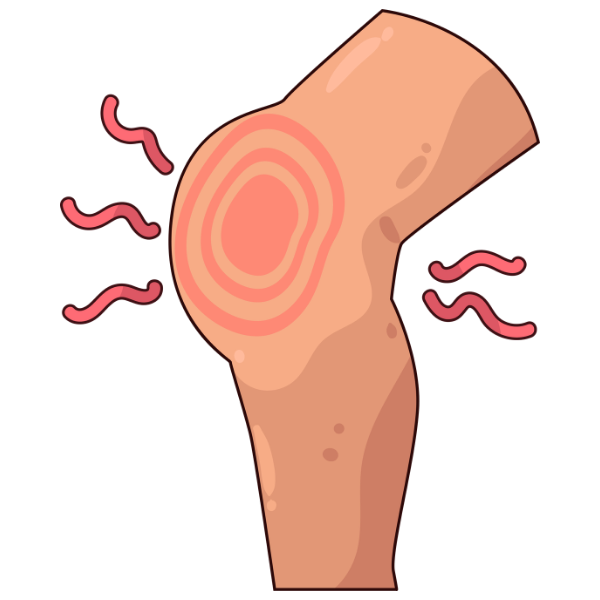
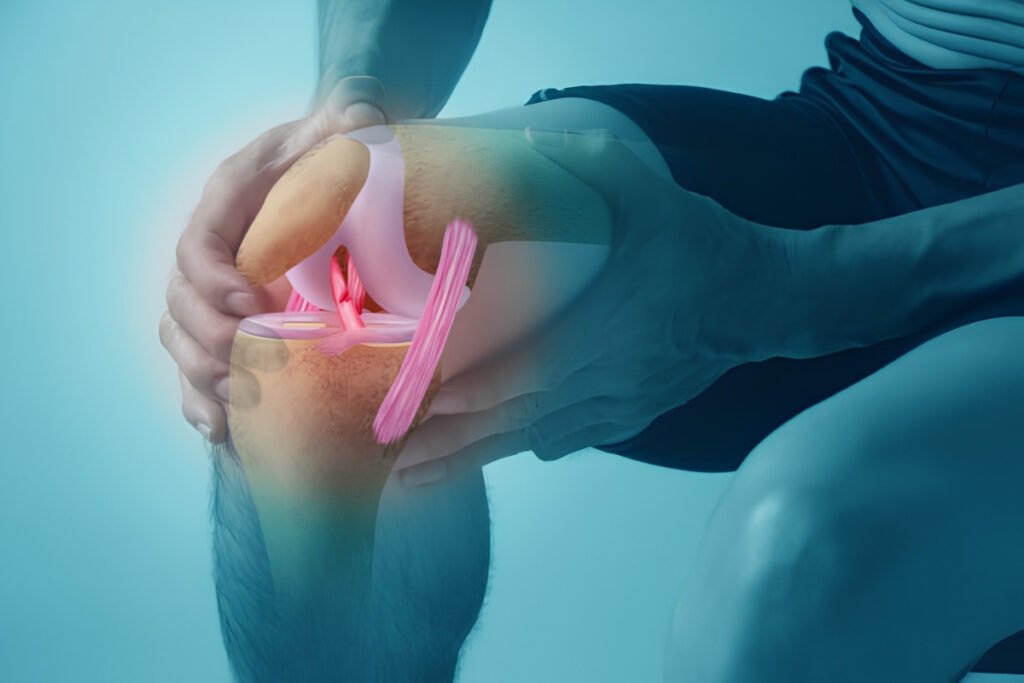
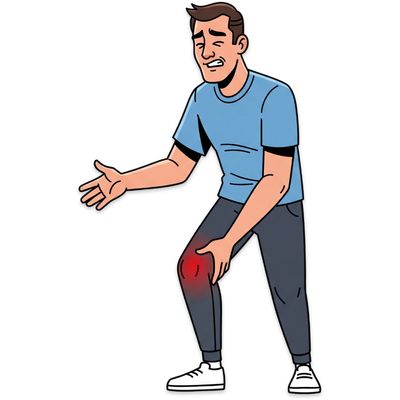
The anterior cruciate ligament (ACL) is one of the key ligaments that helps control movement and stability of the knee. A tear can occur during sports, sudden changes in direction, awkward landings or other twisting injuries. Depending on the severity of the injury, patients may experience pain, swelling, instability or difficulty returning to physical activity.

Not every ACL tear requires surgery. Dr. Pradeep Nair assesses the nature of the injury, knee stability, activity requirements, associated injuries and imaging findings before deciding whether ACL Reconstruction is appropriate or whether rehabilitation and non-surgical treatment can provide sufficient knee function.

When Is It Time to Consider Surgery?

The need for reconstruction depends on how unstable the knee is and what the patient needs the knee to do. Surgery may be considered when instability persists, particularly in people who participate in sports or activities involving pivoting, turning and sudden changes in direction. A torn ACL does not automatically mean that surgery is required. Dr. Pradeep Nair considers knee stability, activity level, associated meniscus or ligament injuries, physical examination and imaging before recommending ACL Reconstruction.

Knee Instability

Sports Limitation

Persistent Swelling

Associated Injuries

Failed Rehabilitation

What Happens When the ACL Is Torn?

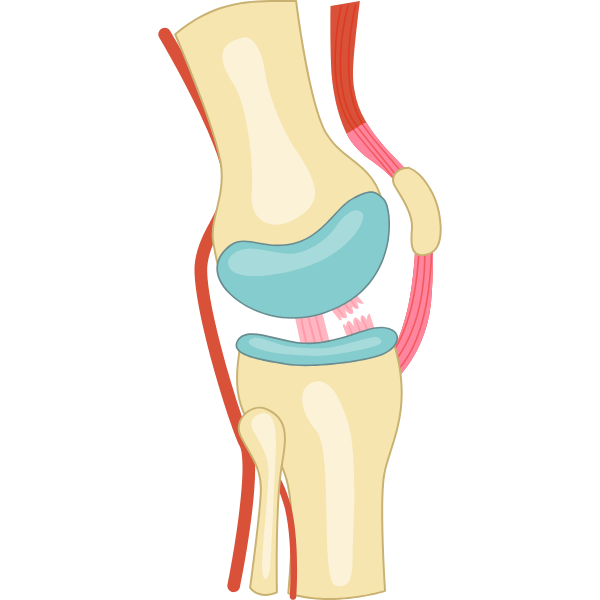
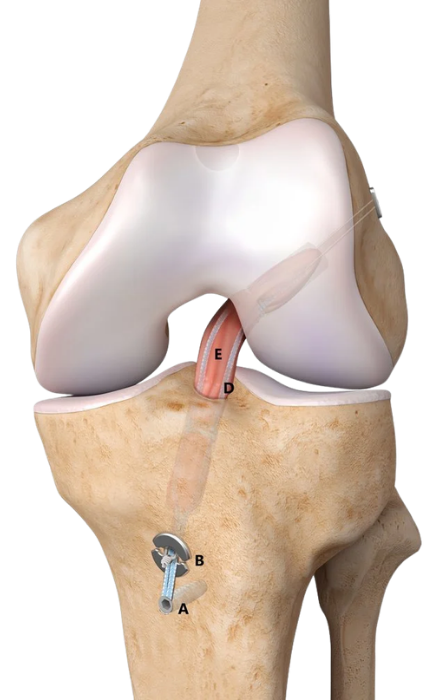
The ACL connects the thigh bone to the shin bone and helps prevent excessive forward movement and rotation of the shin. When it is torn, the knee may lose some of its ability to control these movements.

Some patients notice instability only during sports or demanding activities, while others may feel the knee give way during everyday movements. Repeated episodes of instability can also place additional stress on other structures within the knee, including the meniscus and cartilage. The extent of the injury and the patient’s functional requirements determine whether structured rehabilitation alone is sufficient or whether ACL Reconstruction should be considered.

ACL Reconstruction in Mumbai: How Is the Decision Made?

For ACL Reconstruction in Mumbai, the assessment goes beyond simply confirming that the ligament is torn. The important question is whether the loss of ACL function is affecting the stability and intended use of the knee. Dr. Pradeep Nair assesses:

Knee Stability

Clinical tests are used to determine how much abnormal movement is present and how well the knee controls forward and rotational forces.

Injury Pattern

The location and extent of the ACL tear are reviewed along with the timing and mechanism of the original injury.

Activity Level

Sports participation, work requirements and other activities involving running, jumping or sudden directional changes are considered.

Meniscus Condition

The menisci are assessed because ACL injuries can occur alongside meniscal damage that may also require treatment.

Imaging Finding

MRI and other appropriate imaging help assess the ACL and identify associated injuries involving cartilage, meniscus or other knee structures.

Rehabilitation Progress

The response to physiotherapy and the level of remaining instability are considered before surgery is recommended.
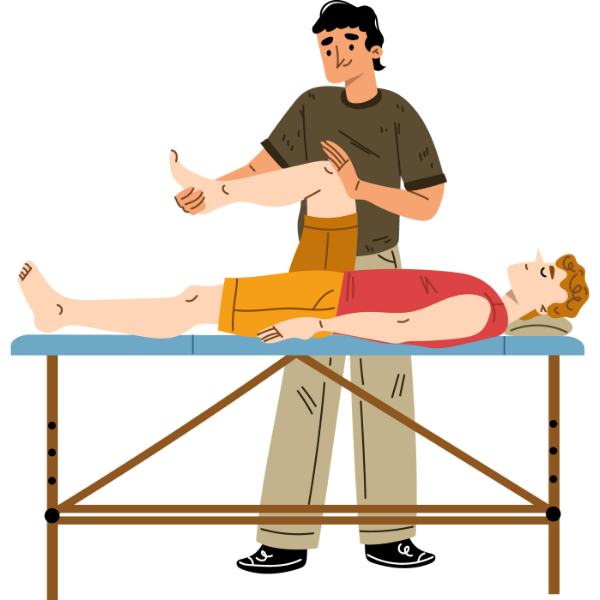
Before Reconstructing the Ligament, Assess What the Knee Needs

Surgery is not always the first step after an ACL injury. In selected cases, a structured rehabilitation programme may provide adequate stability for the patient’s usual activities.

Physiotherapy

Swelling Control

Movement Training
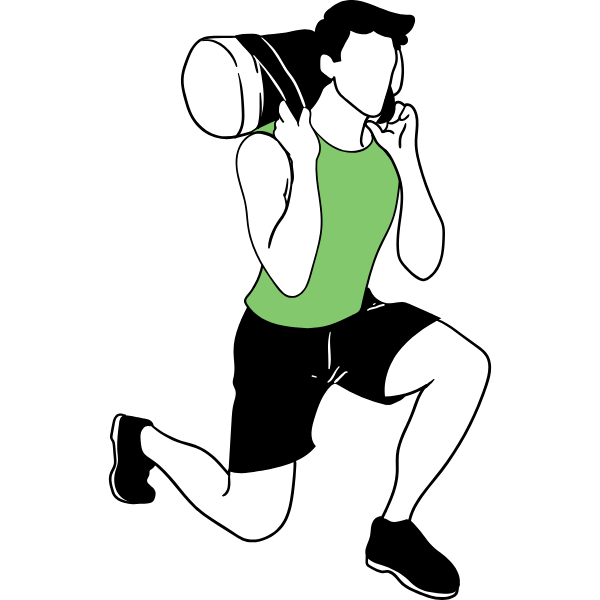
Strength Conditioning
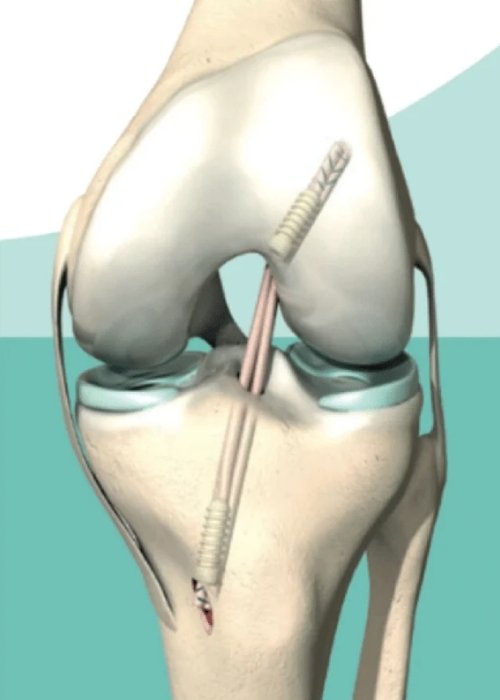
Rebuilding Stability Is Only Part of the Treatment

The purpose of ACL surgery is to restore stability, but successful treatment also depends on rebuilding the strength and movement needed to use the knee safely. Rehabilitation begins before surgery when possible and continues through the postoperative period.

The treatment process generally progresses through:

Pre-Surgery Preparation

Swelling is controlled and knee movement and muscle strength are improved as far as possible before reconstruction.

Ligament Reconstruction

The damaged ACL is reconstructed using a suitable graft to restore stability to the knee.

Strength & Control

Rehabilitation focuses on rebuilding muscle strength, balance and control while the reconstructed ligament heals.

Return to Activity

Running, jumping, direction changes and sport-specific movements are introduced progressively when strength, stability and clinical recovery allow.

Dr. Pradeep Nair
MBBS, MS Orthopedic, DNB Orthopedic
Fellowship in Hip and Knee Surgery including Robotic Joint Replacement (South Korea)

Meet Your Knee & Sports Injury Specialist

Dr. Pradeep Nair treats sports-related knee injuries as well as a range of joint and musculoskeletal conditions. His clinical practice includes ACL reconstruction, knee ligament injuries, meniscus surgery, knee replacement, hip replacement, robotic joint replacement and fracture management.

He holds MBBS, MS Orthopedic and DNB Orthopedic qualifications and has completed a Fellowship in Conventional and Robotic Joint Replacement in South Korea. He is also a member of the Bombay Orthopedic Society.

For patients with an ACL injury, Dr. Nair evaluates knee stability, associated injuries, physical activity requirements and rehabilitation progress before discussing reconstruction. The treatment plan is based on the functional demands placed on the knee and the findings of the clinical assessment.

Happy Patients

0 +

FAQs About ACL Reconstruction

Return to sport is gradual and depends on strength, knee stability, movement, rehabilitation progress and functional testing. High-demand activities involving pivoting and sudden direction changes are resumed only when the knee is adequately prepared.

Repeated instability may indicate that the knee is not adequately controlled by the injured ACL. If giving-way episodes continue despite appropriate rehabilitation, reconstruction may be discussed, particularly when the knee is needed for sports or physically demanding activities.

Walking is gradually progressed after surgery as swelling, movement, muscle control and strength improve. The initial use of support depends on the individual procedure and postoperative rehabilitation plan.

Some ACL injuries can be managed without reconstruction, particularly when the knee remains functionally stable and the patient’s activities do not place high demands on the ligament. Assessment and structured rehabilitation help determine whether this approach is suitable.

Recovery is progressive rather than based on a single fixed timeline. Early rehabilitation focuses on movement and swelling control, followed by strength, balance, running and eventually sport-specific training as the knee meets the required milestones.

Yes. ACL injuries can occur together with meniscus damage. If both require surgical treatment, the meniscus can often be addressed during the same procedure, depending on the type and extent of the injury.

Moving Forward With a Stable Knee

Discuss your ACL injury with Dr. Pradeep Nair to understand the condition of your knee, the available treatment options and the appropriate path towards restoring stability.

Copyright © 2026 Dr. Pradeep Nair | Designed by EEG Technogeeks 

Scroll to Top