


PCL Reconstruction in Mumbai
Understanding Your PCL Injury
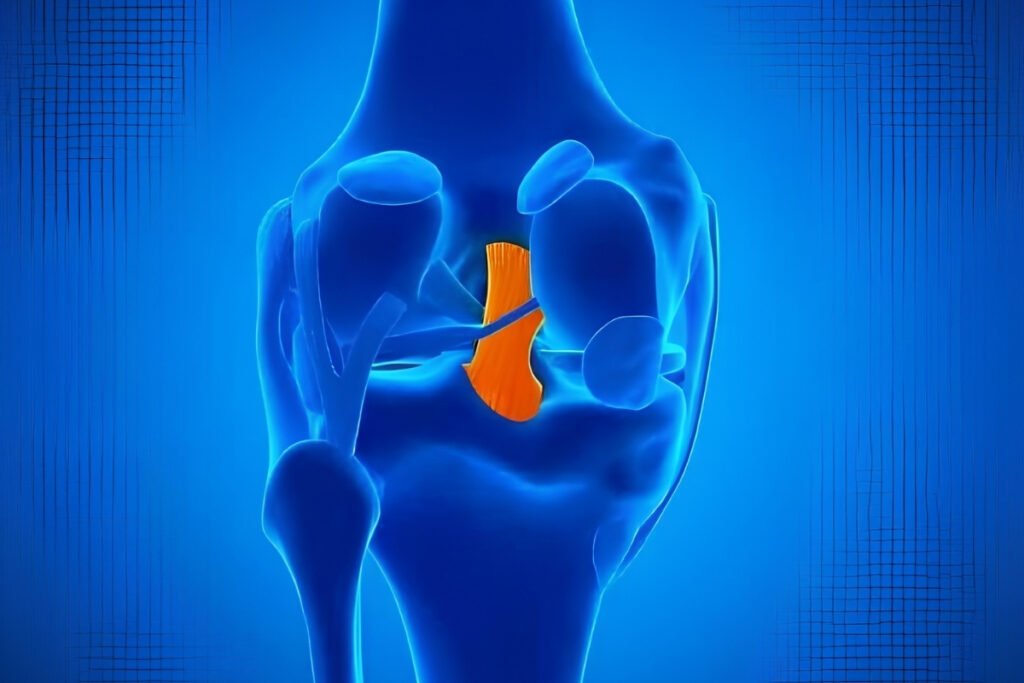
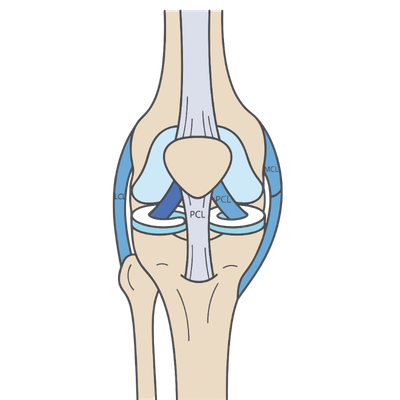
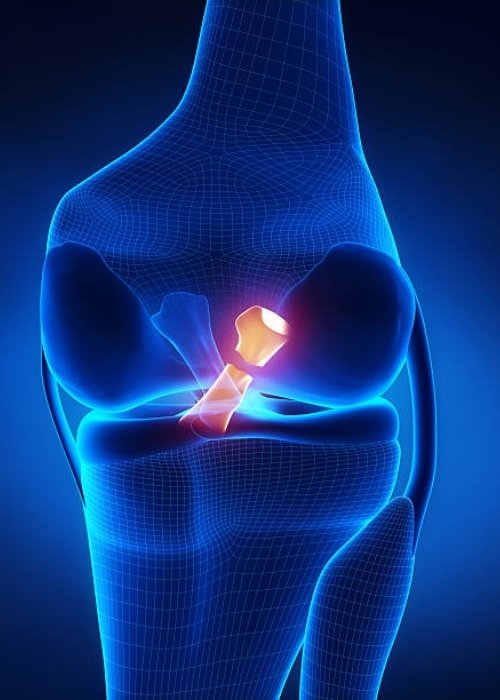
The posterior cruciate ligament (PCL) is one of the main ligaments that keeps the knee stable, particularly when the knee moves backward or bears load during walking, running and sports. A PCL injury can occur after a direct blow to the front of the knee, a sports injury, a fall or a high-impact accident.
Not every PCL tear requires surgery. The decision depends on the extent of the ligament injury, knee stability, associated damage and the activities you want to return to. When the ligament is significantly damaged and the knee remains unstable despite appropriate treatment, PCL Reconstruction may be considered to restore stability and function.
When Is It Time to Consider Surgery?
Surgery may be discussed when a PCL injury continues to affect knee stability and function despite appropriate non-surgical treatment. The decision for PCL Reconstruction is not based on the MRI alone. Your symptoms, clinical examination, activity requirements and the condition of other knee structures all contribute to deciding whether reconstruction is appropriate.
Persistent Instability
Repeated Giving-Way
Sports Limitation
Associated Injuries
Failed Rehabilitation
What Happens When the PCL Is Torn?
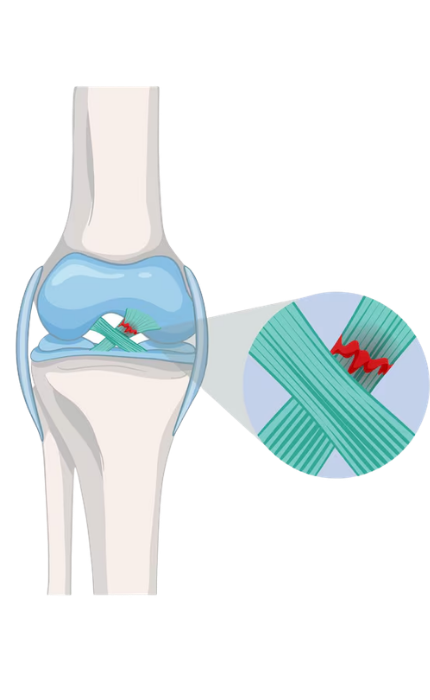
A torn PCL can reduce the knee’s ability to control backward movement of the shinbone in relation to the thighbone. Some people experience relatively mild symptoms, while a more significant tear can cause instability, pain, swelling or difficulty with activities that place greater demands on the knee.
PCL injuries may occur along with damage to the meniscus, cartilage or other knee ligaments. These associated injuries are important because they can influence both treatment decisions and the surgical plan. If instability continues over time, altered knee movement can place additional stress on other parts of the joint. A detailed assessment helps determine whether rehabilitation is likely to be sufficient or whether PCL Reconstruction should be considered.
PCL Reconstruction in Mumbai: How Is the Decision Made?
Choosing PCL Reconstruction requires more than confirming that the ligament is torn. Dr. Pradeep Nair evaluates several factors before recommending surgery. PCL Reconstruction is generally considered when significant instability or functional limitation persists and the knee is unlikely to regain adequate stability through rehabilitation alone.

Knee Stability
Clinical tests help determine how much backward movement and instability is present in the knee.

Injury Pattern
The location and severity of the PCL tear help establish whether the ligament can be managed without reconstruction.

Activity Level
Your work, sports participation and physical demands are considered when planning treatment.

Associated Damage
Meniscus, cartilage and other ligament injuries may affect both the treatment decision and surgical approach.

Imaging Findings
MRI and other imaging studies help assess the PCL and identify additional structural problems.

Rehabilitation Progress
The response to physiotherapy and stability exercises helps determine whether surgery is still necessary.
Before Reconstructing the Ligament, Start With What the Knee Can Still Do
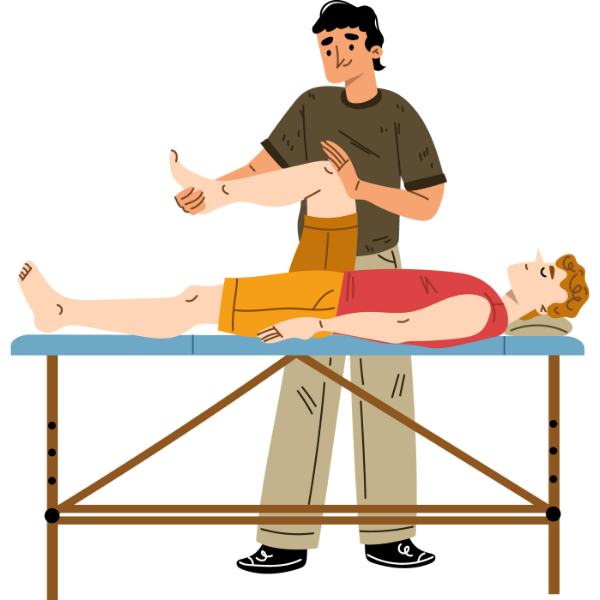
Surgery is not automatically required for every PCL tear. Depending on the injury and symptoms, non-surgical treatment may be an appropriate first step.

Physiotherapy

Swelling Control

Strength Training

Movement Training
Restoring Knee Stability Requires More Than Rebuilding the PCL
PCL Reconstruction is planned around restoring knee stability while protecting the other structures of the joint. Treatment progresses through several stages rather than ending with the operation itself.

Pre-Surgery Preparation
Before surgery, swelling and stiffness are addressed and the knee is prepared for the rehabilitation that follows.

Ligament Reconstruction
The damaged PCL is reconstructed using a suitable graft and appropriate surgical technique based on the individual injury.

Strength & Stability
After surgery, rehabilitation gradually works on movement, muscle strength, balance and controlled loading of the knee.

Return to Activity
Higher-level exercises are introduced progressively before returning to sports, demanding work or other strenuous activities.

Fellowship in Hip and Knee Surgery including Robotic Joint Replacement (South Korea)
Meet Your Knee & Sports Injury Specialist
Dr. Pradeep Nair is an experienced Orthopedic Surgeon with expertise in knee conditions, sports injuries and ligament-related problems. He holds MBBS, MS Orthopedic and DNB Orthopedic qualifications and has undergone a fellowship in Conventional and Robotic Joint Replacement in South Korea.
His approach to ligament injuries begins with understanding the mechanism of injury, knee stability, imaging findings and the patient’s activity requirements. When surgery is required, the treatment plan is developed around the specific structures involved and the rehabilitation needed afterward.
For patients undergoing PCL Reconstruction, the focus remains on restoring knee stability, rebuilding strength and progressing safely towards everyday and sporting activities.
Happy Patients
FAQs About PCL Reconstruction
When is PCL Reconstruction considered?
PCL Reconstruction may be considered when a significant PCL tear causes persistent instability, difficulty with activities or ongoing symptoms despite appropriate rehabilitation. The decision is made after a detailed clinical and imaging assessment.
Can other knee injuries be treated during PCL Reconstruction?
Yes. If a PCL injury is associated with damage to the meniscus, cartilage or another ligament, these problems may need to be addressed as part of the overall surgical plan.
How long does it take to recover after PCL Reconstruction?
Recovery varies depending on the extent of the injury, additional procedures and individual progress. Rehabilitation is usually gradual, with strength, stability and movement restored in stages before higher-demand activities are resumed.
Can a PCL tear heal without surgery?
Some PCL injuries can be managed without surgery, particularly when the knee remains reasonably stable and symptoms improve with rehabilitation. More significant injuries with persistent instability may require reconstruction.
How does the surgeon decide if I need PCL Reconstruction?
The decision depends on knee stability, the severity of the tear, associated meniscus or ligament injuries, your activity level, imaging findings and how the knee responds to non-surgical treatment.
When can I return to sports after PCL Reconstruction?
Return to sports depends on knee stability, strength, movement control and completion of sport-specific rehabilitation. The timeline is different for each patient and should be decided after functional assessment rather than by a fixed date.
Moving Towards a Stable and Functional Knee
Consult Dr. Pradeep Nair for a detailed assessment of your PCL injury and discuss whether rehabilitation or PCL Reconstruction is appropriate for your knee.