

Meniscus Repair in Mumbai
Understanding Your Meniscus Injury
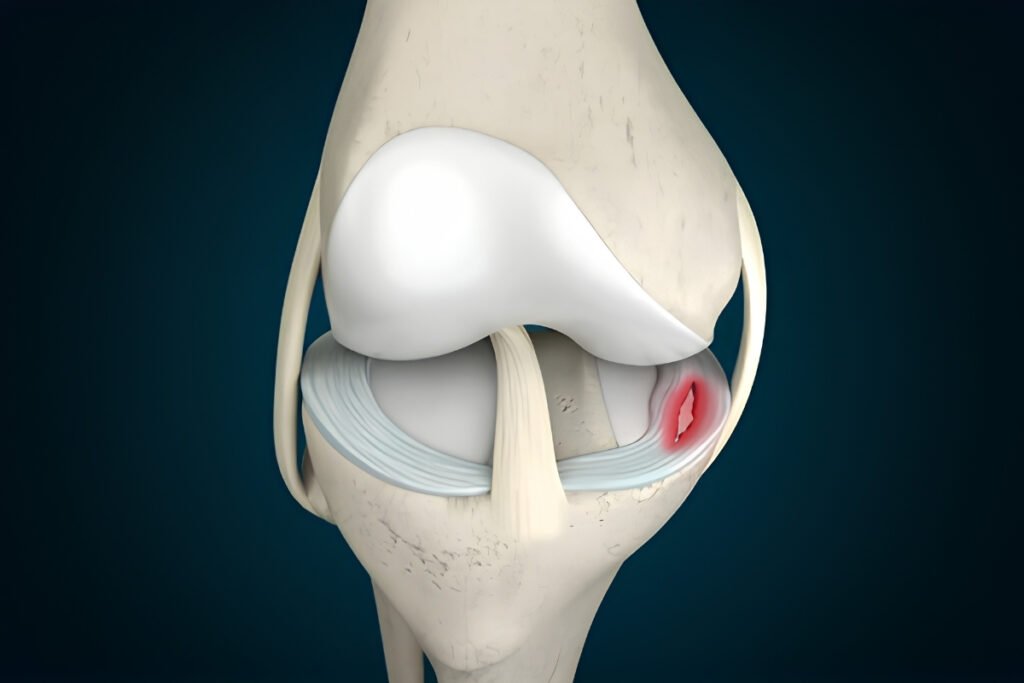
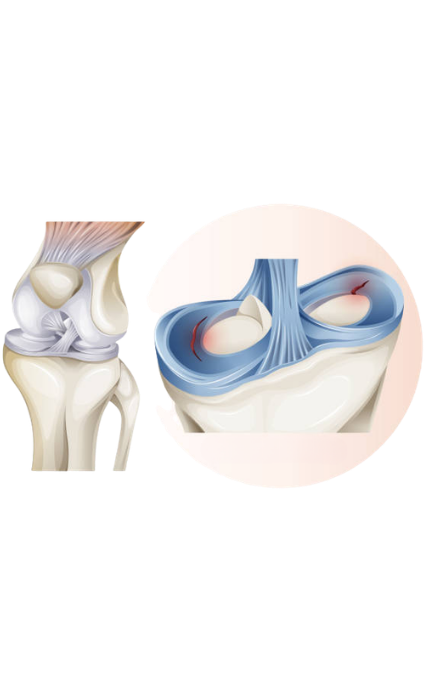
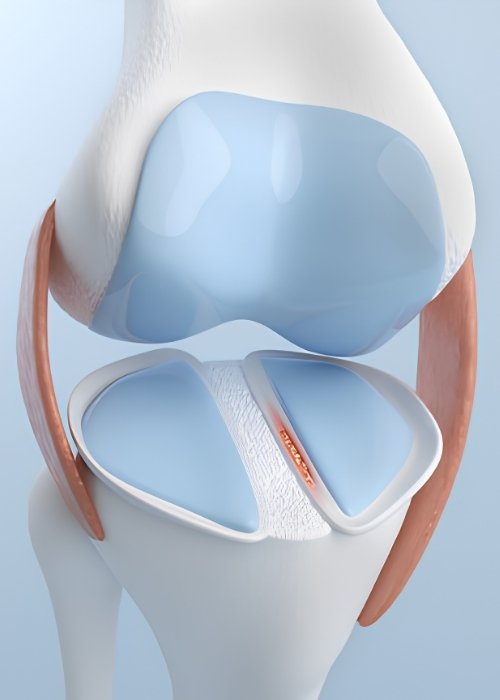
The menisci are two crescent-shaped pieces of cartilage inside the knee that help absorb load, distribute pressure and support smooth joint movement. A meniscus can tear during sports, twisting movements, a sudden change in direction, a fall or an injury to the knee.
Some meniscus tears improve with rest and rehabilitation, while others continue to cause pain, swelling, catching or difficulty with movement. The location and pattern of the tear, the condition of the surrounding knee and your activity requirements all influence the choice of treatment.
When the tear is suitable for preservation and symptoms remain significant, Meniscus Repair may be recommended to stabilise the damaged tissue and maintain as much of the natural meniscus as possible.
When Is It Time to Consider Surgery?
Surgery may be considered when a meniscus tear continues to interfere with knee function or when the tear has features that are unlikely to settle with non-surgical treatment. The decision is based on more than the presence of a tear on an MRI. Symptoms, physical examination, tear pattern, tissue quality and the demands placed on the knee all need to be considered before recommending surgery.
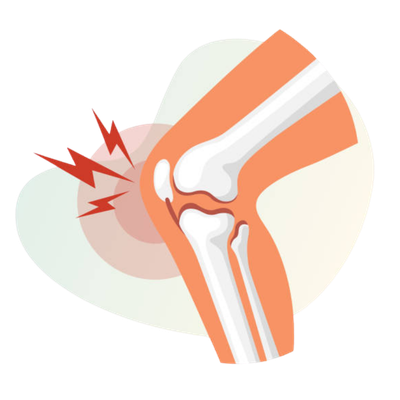
Persistent Pain
Repeated Swelling
Knee Locking
Movement Restriction
Sports Limitation
What Is Happening Inside the Knee?
A meniscus tear can interrupt the normal structure of the cartilage that helps distribute forces across the knee. Depending on its location and pattern, the tear may cause pain during twisting, squatting, climbing stairs or other movements that load the joint.
Some tears are more likely to heal because they occur in areas with a better blood supply. Other tears have limited healing potential because of their location or the condition of the tissue. This distinction is important when deciding whether the meniscus should be repaired or treated differently. A tear can also occur alongside an ACL injury, cartilage damage or other knee problems. Identifying these associated injuries helps establish a complete treatment plan rather than treating the meniscus problem in isolation.
Meniscus Repair in Mumbai: How Is the Decision Made?
Before recommending Meniscus Repair, Dr. Pradeep Nair assesses the tear and considers whether preserving the meniscus is realistically possible.

Tear Location
The position of the tear helps determine its blood supply and potential for healing after repair.

Tear Pattern
The shape, size and direction of the tear influence whether it can be stabilised effectively.

Tissue Quality
The condition of the meniscal tissue is assessed to understand whether it can hold a repair.

Knee Symptoms
Pain, swelling, catching and locking provide important information about how the tear is affecting the joint.

Associated Injuries
ACL injuries, cartilage damage and other structural problems may influence the surgical plan.

Activity Requirements
Your work, sports and physical activities are considered when deciding the most appropriate treatment.
Before Surgery, See What Rehabilitation Can Achieve
Not every meniscus tear needs an operation. Depending on the type of tear and symptoms, non-surgical treatment may be tried first.

Strength Conditioning

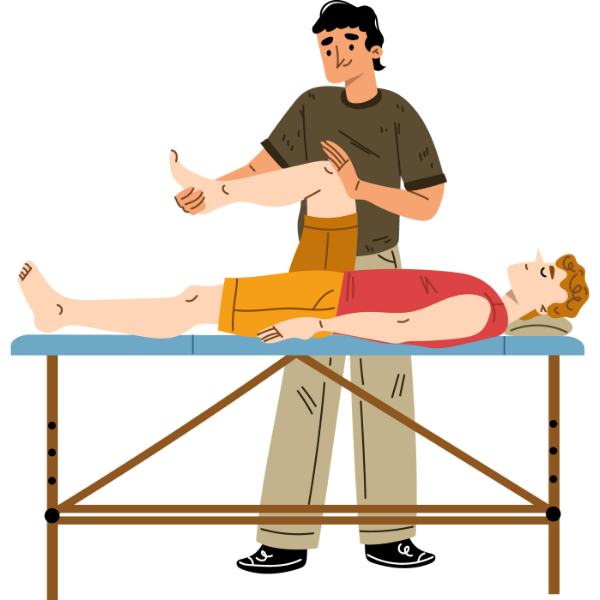
Physiotherapy
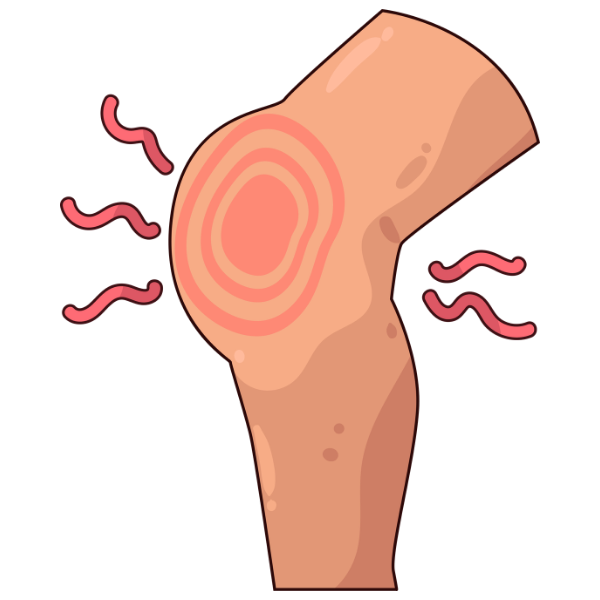
Swelling Management
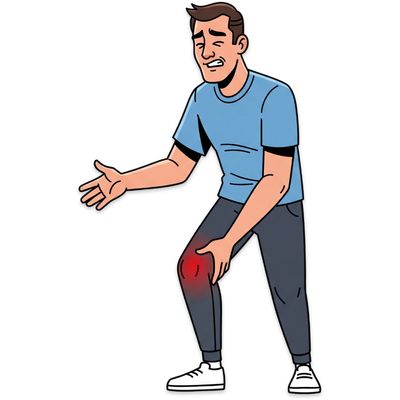
Pain Management
Preserving the Meniscus Is Only the Beginning
The purpose of Meniscus Repair is to stabilise the torn tissue and give it an opportunity to heal while maintaining as much of the natural meniscus as possible. Recovery then progresses through structured stages.

Knee Preparation
Before surgery, swelling and stiffness are addressed and the knee is prepared for the rehabilitation process.

Arthroscopic Repair
Through small incisions, the knee is examined and the suitable meniscus tear is repaired using an appropriate technique.

Protected Rehabilitation
Early rehabilitation focuses on controlled movement and protection of the repair while healing begins.

Strength & Return to Activity
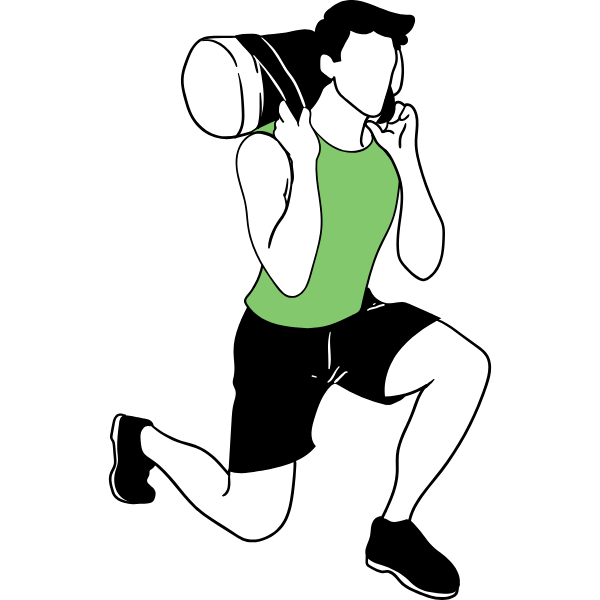
Strength, balance and movement control are gradually rebuilt before progressing towards work, exercise and sports.

Fellowship in Hip and Knee Surgery including Robotic Joint Replacement (South Korea)
Meet Your Knee & Sports Injury Specialist
Dr. Pradeep Nair is an experienced Orthopedic Surgeon with expertise in knee conditions, sports injuries and ligament and meniscus problems. He holds MBBS, MS Orthopedic and DNB Orthopedic qualifications, along with a fellowship in Conventional and Robotic Joint Replacement in South Korea.
His assessment of a meniscus injury considers the patient’s symptoms, clinical examination, MRI findings, activity level and the condition of the rest of the knee. The aim is to preserve healthy meniscal tissue whenever repair is appropriate rather than removing tissue unnecessarily.
For patients undergoing Meniscus Repair, treatment includes both the surgical procedure and a structured rehabilitation plan to help restore knee movement, strength and function.
Happy Patients
FAQs About Meniscus Repair
When is Meniscus Repair considered?
Meniscus Repair may be considered when a tear is suitable for preservation and continues to cause symptoms such as pain, swelling, catching or locking. The healing potential of the tear is an important part of the decision.
Is Meniscus Repair better than removing the torn portion?
When a tear can be repaired successfully, preserving the meniscus is generally preferred because the meniscus helps distribute load and protect the knee. However, not every tear is suitable for repair.
How long does recovery take after Meniscus Repair?
Recovery varies according to the tear, repair technique and any additional procedures. Rehabilitation usually progresses gradually, with movement and strengthening introduced according to the healing of the repaired meniscus.
Can a meniscus tear heal without surgery?
Some meniscus tears can be managed with activity modification and physiotherapy, particularly when symptoms are mild and the knee remains functional. Tears causing persistent mechanical symptoms may require surgical treatment.
How does the surgeon decide whether my meniscus can be repaired?
The surgeon considers the tear’s location, pattern, size, tissue quality, blood supply and associated knee injuries. These factors help determine whether the torn tissue has a reasonable chance of healing after repair.
When can I return to sports after Meniscus Repair?
Return to sports depends on healing, knee movement, strength, stability and completion of sport-specific rehabilitation. Your surgeon and physiotherapist will guide the progression based on how the knee is recovering.
Making the Right Decision for Your Meniscus
Consult Dr. Pradeep Nair for a detailed evaluation of your knee injury and understand whether the meniscus can be preserved through repair.