

Cartilage Repair in Mumbai
Understanding Your Knee Cartilage Problem
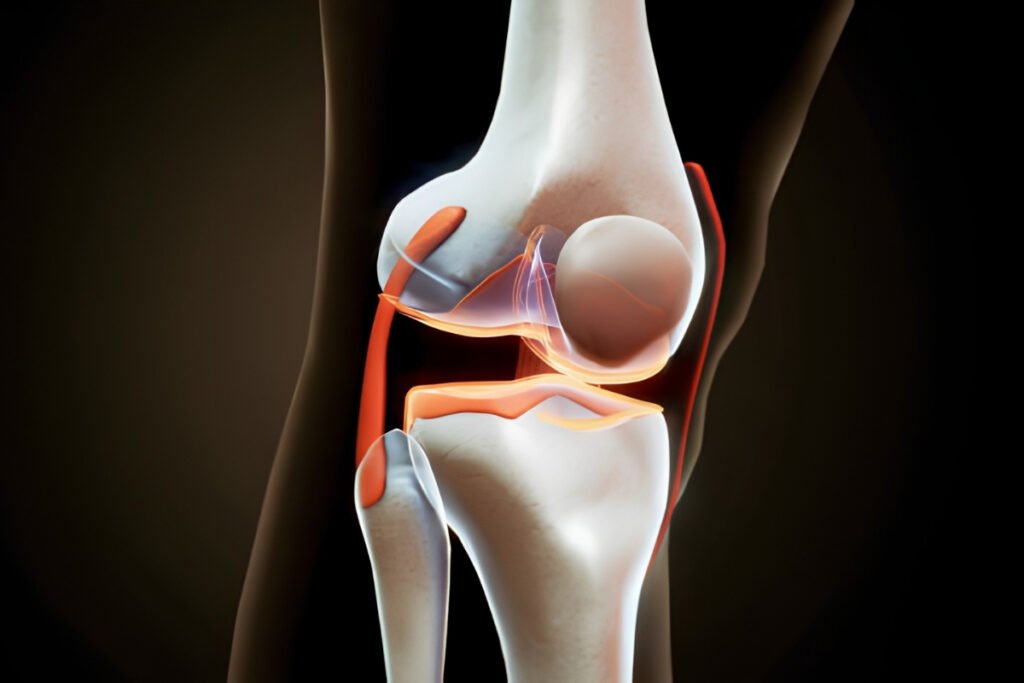
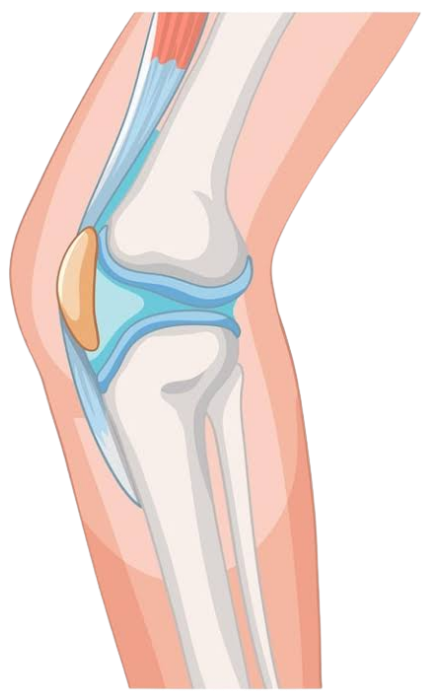
Articular cartilage is the smooth tissue covering the ends of the bones inside the knee. It allows the joint to move with minimal friction and helps distribute forces during walking, running, squatting and other activities. Injury or loss of this cartilage can result from sports injuries, direct trauma, repeated stress or gradual joint damage.
A cartilage injury does not always require surgery. The appropriate treatment depends on the size and location of the damaged area, symptoms, overall knee condition and the demands placed on the joint.
When a focal cartilage defect causes persistent symptoms and is suitable for a restorative procedure, Cartilage Repair may be considered to protect the affected area and improve knee function.
When Is It Time to Consider Surgery?
Surgery may be discussed when a cartilage defect continues to cause symptoms despite appropriate non-surgical treatment or when the damage is likely to affect knee function over time. The need for surgery depends on the complete condition of the knee rather than the MRI finding alone. The size and location of the cartilage defect, symptoms, surrounding structures and response to rehabilitation all help determine the next step.
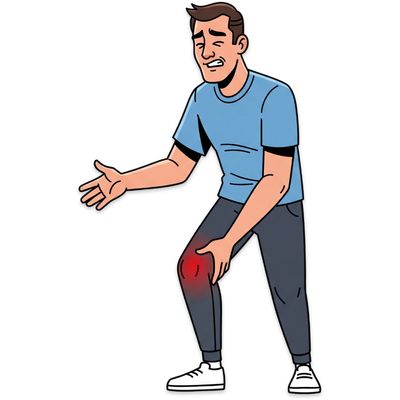
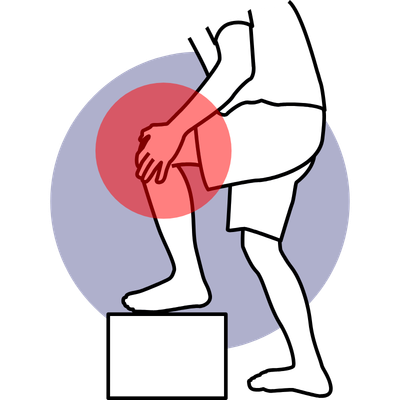
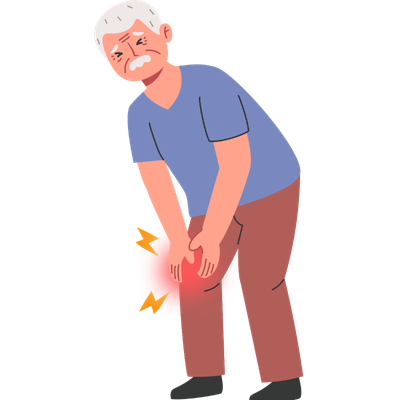
Persistent Pain
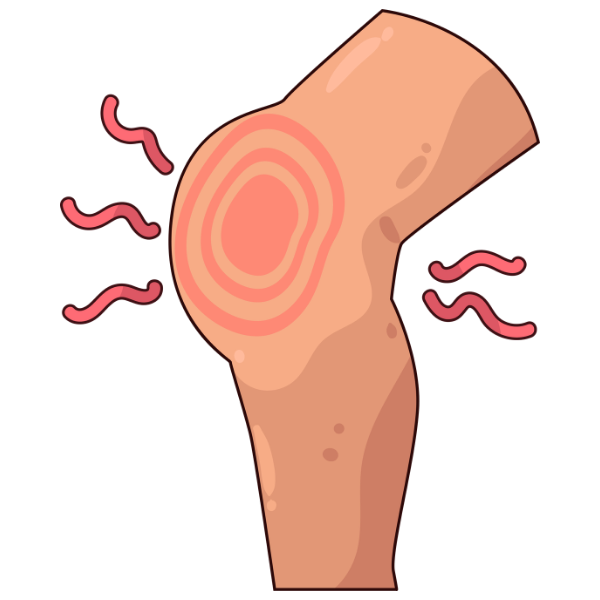
Recurrent Swelling
Movement Difficulty
Activity Limitation
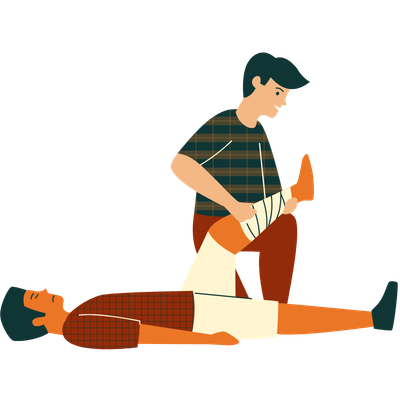
Failed Rehabilitation
What Happens When Knee Cartilage Is Damaged?
Unlike some other tissues in the body, articular cartilage has limited ability to heal itself because it has very little direct blood supply. A damaged area can therefore continue to cause pain, swelling or discomfort when the joint is loaded.
The symptoms can vary according to the size and depth of the defect. Some patients experience pain during activity, while others may notice swelling, catching or difficulty with movements such as stairs, squatting or running. Cartilage damage can also occur together with meniscus or ligament injuries. Identifying these problems is important because treating an isolated cartilage defect without addressing associated knee instability or structural damage may not provide the desired result.
Cartilage Repair in Mumbai: How Is the Decision Made?
Before recommending Cartilage Repair, Dr. Pradeep Nair evaluates the cartilage defect and the condition of the entire knee.

Defect Location
The position of the damaged cartilage helps determine the available treatment options and their suitability.

Defect Size
The dimensions and depth of the cartilage damage influence whether a repair procedure is appropriate.

Knee Alignment
Abnormal alignment can place excessive load on a particular area and may affect the treatment plan.

Joint Stability
Ligament stability is assessed because instability can continue to overload the damaged cartilage.

Associated Damage
Meniscus injuries and other structural problems may need to be considered alongside the cartilage defect.

Activity Requirements
Your work, exercise and sporting demands help determine the treatment approach and rehabilitation goals.
Give Non-Surgical Treatment a Fair Chance
Not every cartilage injury requires an operation. Depending on the severity and symptoms, conservative treatment may be used to reduce stress on the joint and improve its function.

Pain Management

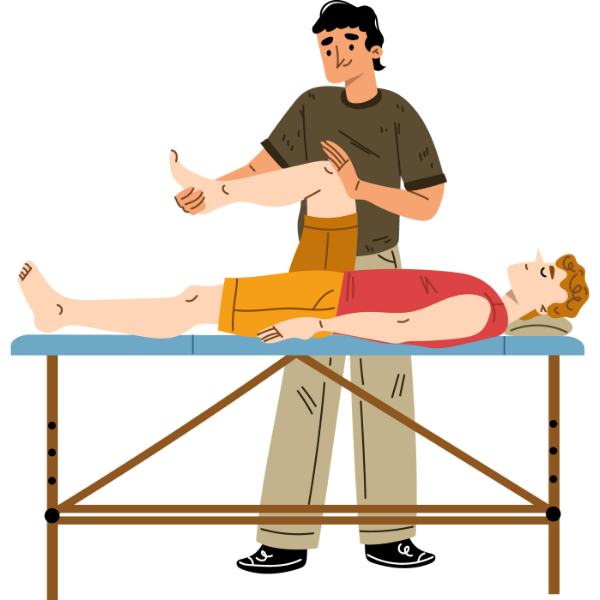
Physiotherapy

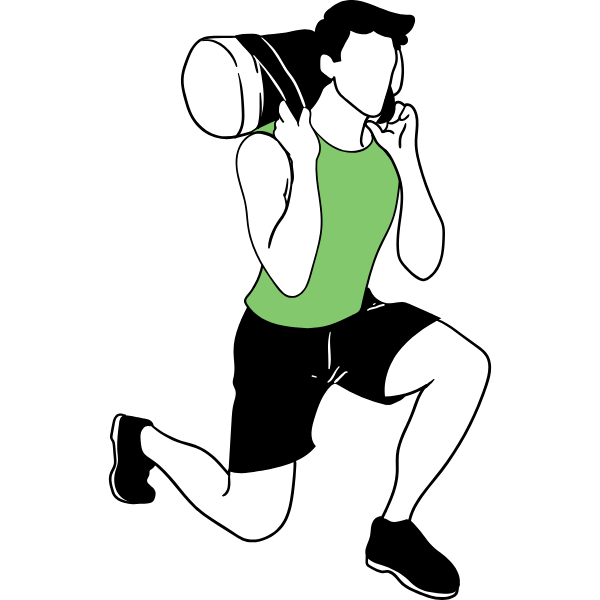
Strength Training

Weight Management
Repairing Cartilage Requires a Carefully Planned Recovery
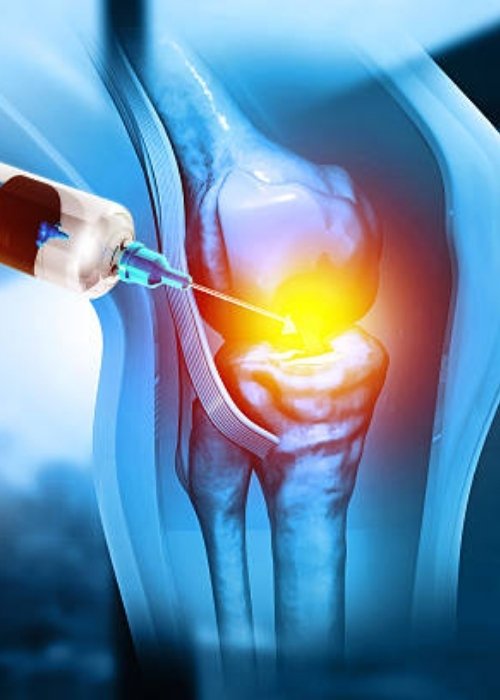
The objective of Cartilage Repair is to address a focal cartilage defect while protecting the treated area during the healing process. Recovery is therefore progressed gradually.

Joint Assessment
The knee is assessed carefully before surgery to understand the cartilage defect and identify any associated problems.

Cartilage Procedure
Depending on the defect and clinical findings, an appropriate cartilage restoration technique is performed to treat the damaged area.

Protected Loading
Early rehabilitation may involve controlled movement and carefully progressed weight-bearing to protect the treated cartilage.

Strength & Function
Exercises are gradually advanced to rebuild strength, balance and movement control before returning to higher-demand activities.

Fellowship in Hip and Knee Surgery including Robotic Joint Replacement (South Korea)
Meet Your Knee & Sports Injury Specialist
Dr. Pradeep Nair is an experienced Orthopedic Surgeon with expertise in knee conditions, sports injuries and musculoskeletal problems. He holds MBBS, MS Orthopedic and DNB Orthopedic qualifications and has completed a fellowship in Conventional and Robotic Joint Replacement in South Korea.
His evaluation of cartilage problems considers the patient’s symptoms, clinical examination, imaging findings, knee alignment, stability and activity requirements. This helps distinguish between cartilage damage that can be managed conservatively and defects where surgical restoration may be appropriate.
For patients undergoing Cartilage Repair, treatment extends beyond the procedure itself, with rehabilitation planned to protect the treated area while gradually restoring knee movement, strength and function.
Happy Patients
FAQs About Cartilage Repair
When is Cartilage Repair considered?
Cartilage Repair may be considered when a focal cartilage defect causes persistent symptoms despite appropriate non-surgical treatment and the defect is suitable for a restorative procedure.
Can cartilage damage be treated along with a meniscus or ligament injury?
Yes. Cartilage damage may occur alongside meniscus or ligament problems. When these conditions are present, they are considered together while planning treatment.
How long does recovery take after Cartilage Repair?
Recovery depends on the cartilage defect, the procedure performed and any additional treatment required. Rehabilitation is usually gradual, with loading and strengthening progressed according to healing.
Can damaged knee cartilage heal on its own?
Articular cartilage has limited natural healing ability. Some cartilage-related symptoms can be managed without surgery, but a significant focal defect may continue to cause problems and require further treatment.
How does the surgeon decide whether my cartilage can be repaired?
The decision depends on the location, size and depth of the defect, along with knee alignment, stability, associated injuries, symptoms and your activity requirements.
When can I return to sports after Cartilage Repair?
Return to sports depends on cartilage healing, knee strength, movement, stability and completion of sport-specific rehabilitation. Higher-impact activities are introduced only when the knee is ready for them.
Protecting the Knee Starts With Understanding the Damage
Consult Dr. Pradeep Nair to evaluate your knee cartilage, understand the available treatment options and plan the next step based on your individual knee condition.