
Knee Ligament Injuries Treatment in Mumbai

Understanding Your Knee Ligament Injury

The ligaments of the knee connect the bones and help control movement and stability. The ACL, PCL, MCL and LCL each have a different role in keeping the knee stable during walking, turning, jumping and sports.

A ligament injury can range from a mild stretch to a complete tear. It may happen during a sudden change in direction, awkward landing, direct impact, sports activity or an accident. Symptoms and treatment vary according to which ligament is affected and whether other knee structures are also injured.

Not every ligament injury requires surgery. The appropriate approach depends on knee stability, the severity of the injury, activity requirements and how the knee responds to rehabilitation.

When Is It Time to Consider Surgery?

Surgery may be discussed when a ligament injury causes significant instability or continues to interfere with daily activities and sports despite appropriate non-surgical treatment. The decision for surgery is made after assessing how the knee functions rather than relying only on the MRI report. Some isolated ligament injuries can recover with structured rehabilitation, while significant tears or combined injuries may require reconstruction.

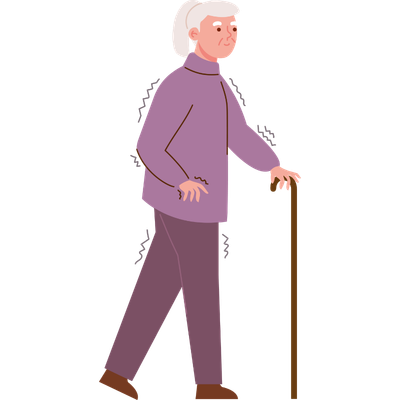
Persistent Instability

Sports Limitation

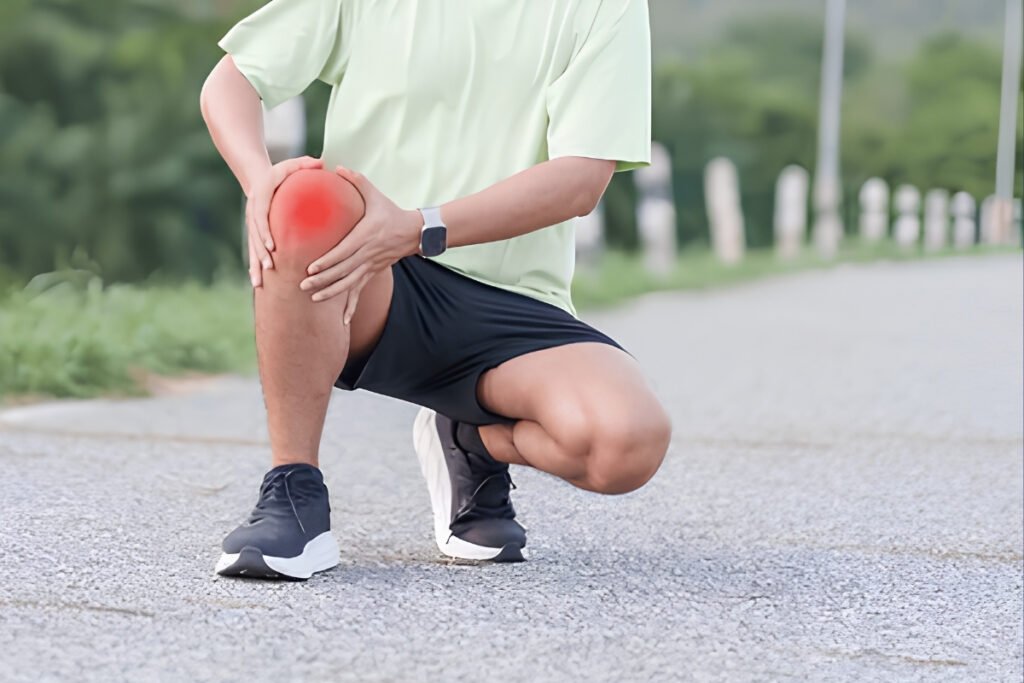
Ongoing Swelling

Combined Injuries

Failed Rehabilitation

What Happens When a Knee Ligament Is Injured?

A damaged ligament may no longer provide the same level of support during knee movement. Depending on the ligament involved, patients may notice instability while turning, changing direction, walking on uneven ground or participating in sports.

The ACL and PCL control forward and backward movement between the thighbone and shinbone, while the MCL and LCL provide stability from the sides. Injury to one or more of these structures can therefore affect knee function in different ways. Ligament injuries may also occur with meniscus tears, cartilage damage or other ligament injuries. Identifying these associated problems is important because untreated instability can continue to place abnormal stress on the rest of the knee.

Knee Ligament Injuries in Mumbai: How Is the Treatment Decided?

Treatment for Knee Ligament Injuries in Mumbai is planned according to the specific ligament involved and the overall condition of the knee.

Ligament Involved

The ACL, PCL, MCL and LCL have different functions, so treatment depends on which structure has been damaged.

Injury Severity

The degree of stretching, partial tearing or complete rupture helps determine the likely treatment pathway.

Knee Stability

Clinical examination shows how much instability remains and which movements are affected.

Associated Damage

Meniscus, cartilage or additional ligament injuries may change the treatment plan.

Activity Requirements

Sports participation, occupation and everyday physical demands are considered when planning treatment.

Rehabilitation Response

The knee's progress with physiotherapy helps establish whether further treatment is necessary.
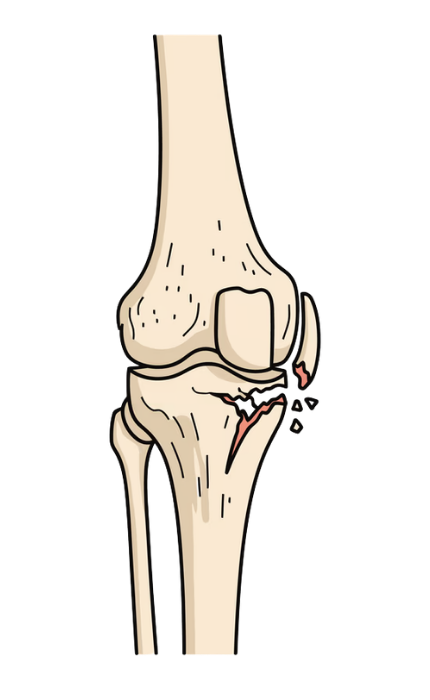
Start With Rehabilitation When Surgery Is Not Necessary

Many ligament injuries can initially be managed without surgery. The aim is to control symptoms, restore movement and build enough strength and stability for normal function.

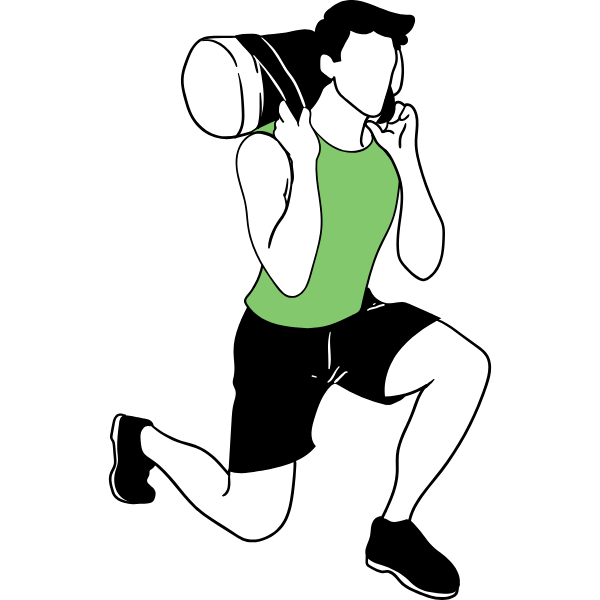
Strength Training

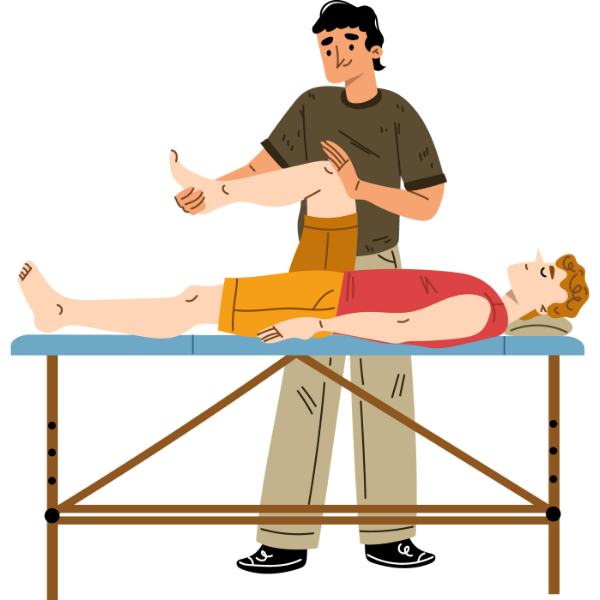
Physiotherapy

Swelling Control
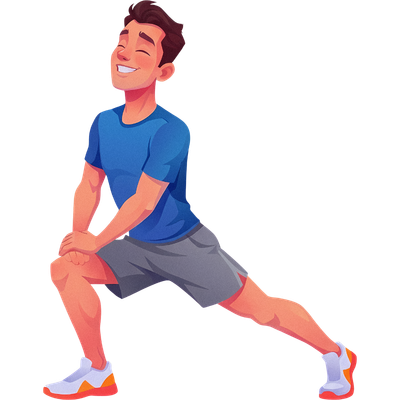
Movement Training
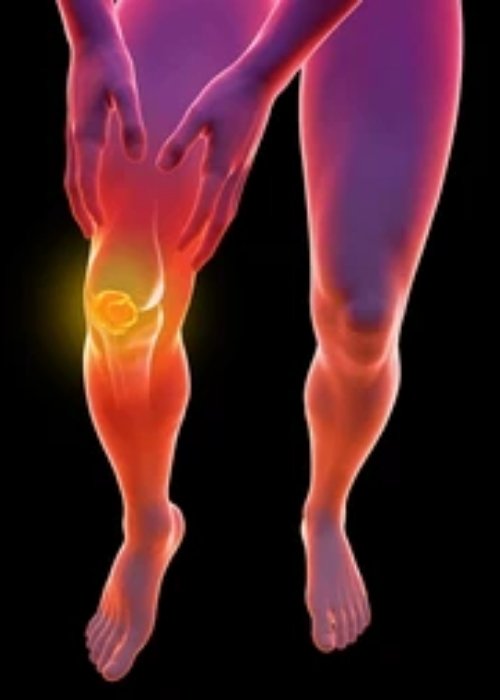
Restoring Stability Takes More Than Treating the Torn Ligament

The treatment plan depends on the type of ligament injury and whether the knee can regain adequate stability through rehabilitation or requires surgical reconstruction.

Initial Assessment

The ligament injury is evaluated along with knee movement, stability, imaging findings and any associated structural damage.

Conservative Management

When appropriate, rehabilitation focuses on restoring movement, strength and control while protecting the injured ligament.

Ligament Reconstruction

For selected injuries where stability cannot be restored adequately without surgery, the damaged ligament may be reconstructed using an appropriate graft and surgical technique.

Functional Rehabilitation

After treatment, strength, balance, movement control and activity-specific function are gradually rebuilt.

Dr. Pradeep Nair
MBBS, MS Orthopedic, DNB Orthopedic
Fellowship in Hip and Knee Surgery including Robotic Joint Replacement (South Korea)

Meet Your Knee & Sports Injury Specialist

Dr. Pradeep Nair is an experienced Orthopedic Surgeon with expertise in knee conditions, sports injuries and ligament-related problems. He holds MBBS, MS Orthopedic and DNB Orthopedic qualifications, along with a fellowship in Conventional and Robotic Joint Replacement in South Korea.

His evaluation of a ligament injury includes clinical stability testing, imaging assessment, activity requirements and examination of the meniscus, cartilage and other knee structures. This helps determine whether rehabilitation is sufficient or whether surgical treatment should be considered.

For patients with significant ligament injuries, treatment focuses on restoring knee stability and function while providing a structured path from the initial injury through rehabilitation and return to activity.

Happy Patients

0 +

FAQs About Knee Ligament Injuries

Surgery may be considered when the knee remains significantly unstable, the ligament is severely damaged, associated injuries are present or symptoms continue despite appropriate rehabilitation. The decision requires a clinical and imaging assessment.

Some people can walk after a ligament tear, while others experience pain, swelling or instability. Being able to walk does not necessarily mean that the knee has regained normal stability.

Yes. Ligament injuries can occur alongside meniscus or cartilage damage, particularly after twisting or high-impact injuries. These associated problems are assessed when planning treatment.

Yes. Some ligament injuries, particularly certain partial tears and isolated collateral ligament injuries, can improve with structured rehabilitation. The treatment depends on the ligament involved and the amount of remaining stability.

Significant ACL or PCL tears causing persistent instability may require reconstruction, particularly when the patient has high physical or sporting demands. Combined ligament injuries may also require surgical treatment.

Return to sports depends on the ligament involved, treatment received, knee stability, strength and movement control. A gradual sport-specific programme is used before returning to activities involving running, jumping or sudden changes in direction.

Getting the Knee Stable Again

Consult Dr. Pradeep Nair to understand the extent of your ligament injury, whether rehabilitation can restore sufficient stability and when surgical reconstruction may be appropriate.

Copyright © 2026 Dr. Pradeep Nair | Designed by EEG Technogeeks 

Scroll to Top