

Fracture Care in Mumbai

Understanding Your Fracture

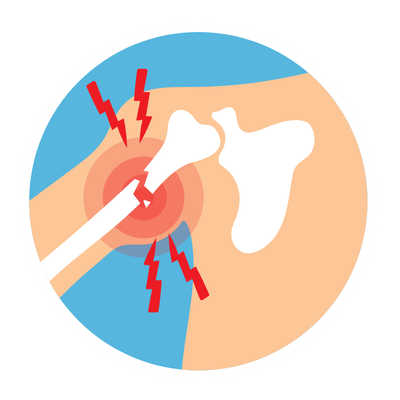
A fracture occurs when a bone breaks or develops a crack, usually after a fall, accident, sports injury or direct impact. Fractures can range from small cracks to complex breaks where the bone has moved out of its normal position.

The treatment depends on several factors, including which bone is injured, the fracture pattern, its position and whether the surrounding joints, muscles, nerves or blood vessels are affected. Some fractures can heal with immobilisation and monitoring, while others require a procedure to restore alignment and stability. Timely fracture care helps establish the extent of the injury and determine how the bone should be supported while it heals.

When Is It Time to Consider Specialist Treatment?

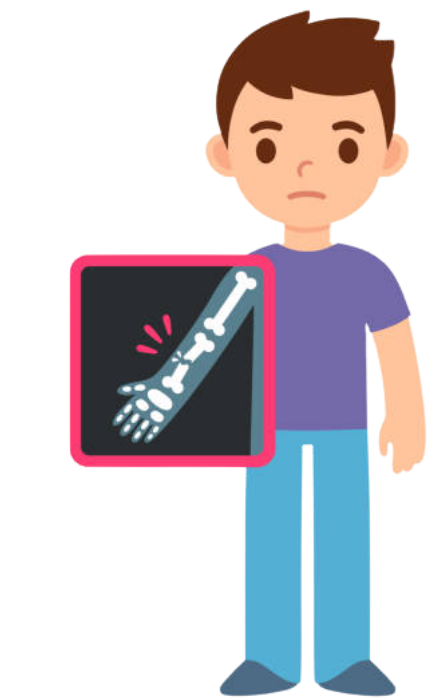
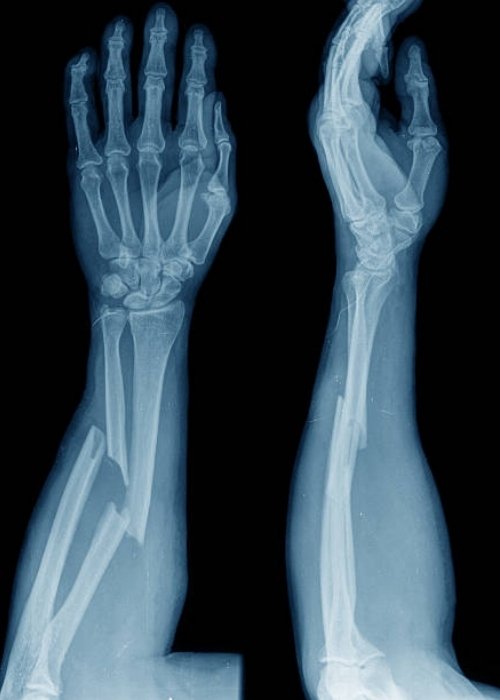
Not every fracture requires surgery, but certain injuries need prompt orthopedic assessment to prevent problems with alignment, healing or joint function. A fracture should not be judged only by how much pain it causes. X-rays and, when required, other imaging help determine the fracture pattern and whether the bone is positioned appropriately for healing.

Severe Pain

Visible Deformity

Major Swelling

Movement Difficulty

Open Injury

What Happens When a Bone Breaks?

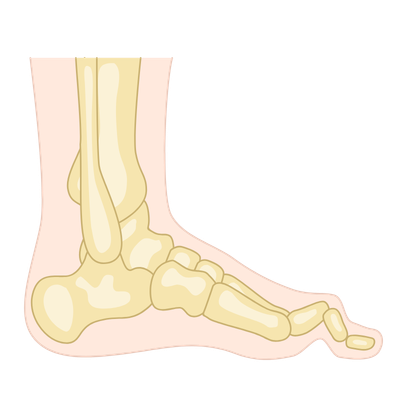
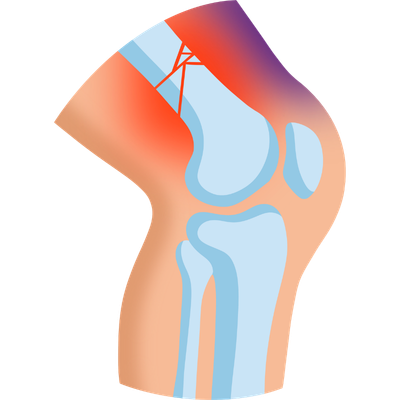
A fracture disrupts the normal structure of the bone. Depending on the injury, the broken ends may remain in position or become displaced, shortened or rotated. Fractures near a joint require particular attention because an irregular joint surface can affect movement and may contribute to stiffness or long-term joint problems. Injuries involving the wrist, ankle, knee, hip or shoulder may therefore require assessment beyond the fracture itself.

The surrounding soft tissues also matter. Significant swelling, skin injury, nerve symptoms or reduced blood circulation can change the urgency and type of treatment required. A complete evaluation helps determine the safest way to stabilise the injury.

Fracture Care in Mumbai: How Is the Treatment Decided?

Before recommending a particular treatment, Dr. Pradeep Nair evaluates the fracture along with the patient’s overall condition and functional requirements.

Bone Involved

The location of the fracture and the bone affected help determine the appropriate treatment approach.

Fracture Pattern

The direction, number of fragments and complexity of the break influence how the bone can be stabilised.

Bone Alignment

Displacement, angulation or rotation may need to be corrected to restore appropriate position.

Joint Involvement

Fractures extending into a joint may require more precise restoration of the joint surface.

Soft Tissue Condition

Swelling, skin damage, nerve function and blood supply are assessed along with the bone injury.

Functional Requirements

Age, occupation, activity level and the expected demands on the injured limb are considered during treatment planning.
When Surgery Is Not the First Choice

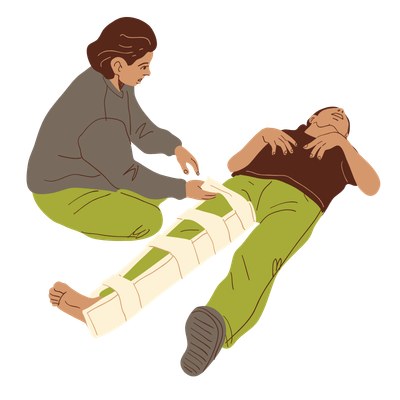
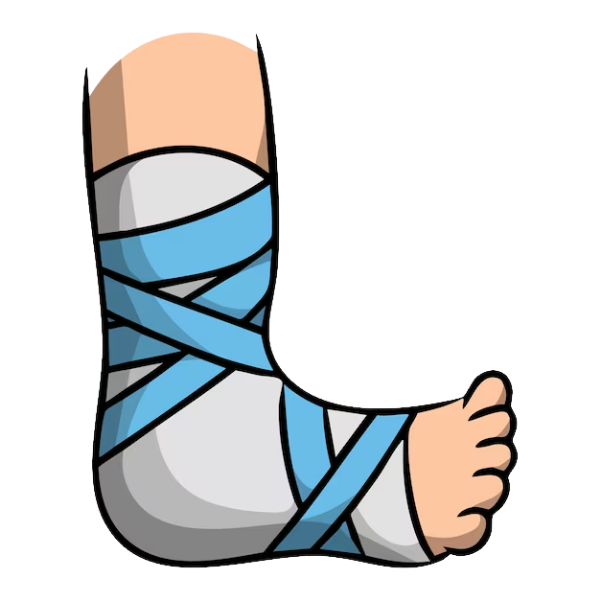
Many fractures can heal successfully without an operation when the broken bone is adequately aligned and can remain stable during healing.

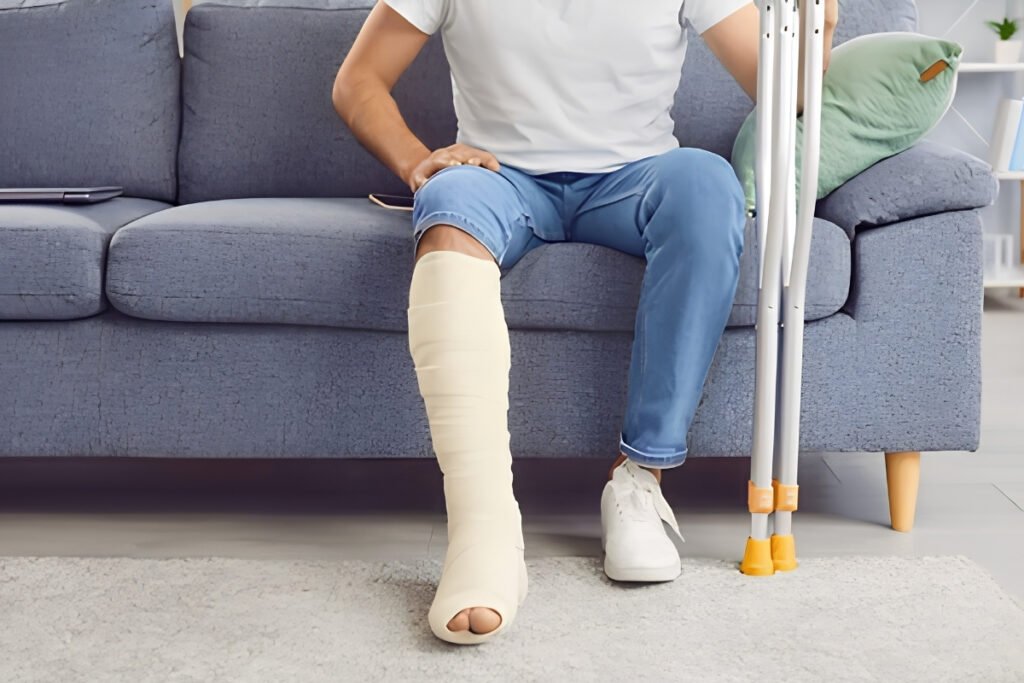
Casting & Splinting

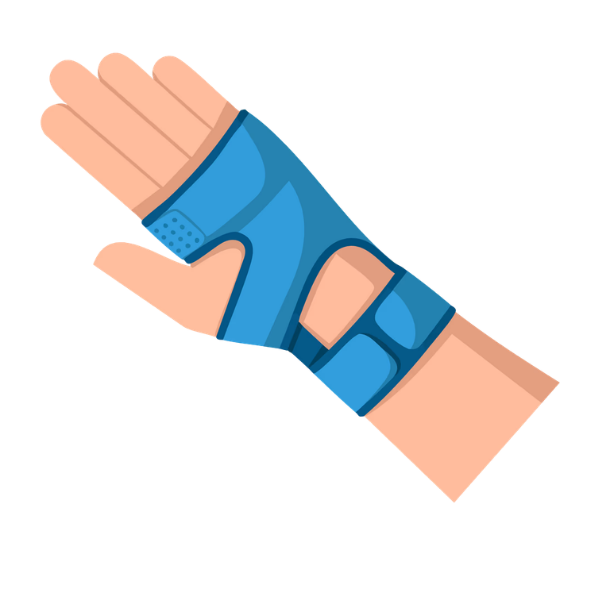
Bracing

Activity Restriction
Pain Management
Restoring the Bone Is Only One Part of Recovery

Good fracture care continues after the initial treatment. The aim is to allow the bone to heal while gradually restoring movement and function around the injured area. Recovery varies according to the bone involved, fracture pattern, treatment method and general health. Follow-up is important to monitor healing and identify any concerns during recovery.

Initial Stabilisation

The injured limb is protected and the fracture is assessed to determine whether immediate reduction or another intervention is required.

Fracture Reduction

When the broken bone has shifted, the position may need to be restored before immobilisation or fixation.

Surgical Fixation

Selected fractures may require plates, screws, nails or other fixation methods to maintain alignment while the bone heals.

Rehabilitation & Function

Once healing allows, movement and strengthening are gradually introduced to reduce stiffness and restore normal use of the affected limb.

Dr. Pradeep Nair
MBBS, MS Orthopedic, DNB Orthopedic
Fellowship in Hip and Knee Surgery including Robotic Joint Replacement (South Korea)

Meet Your Orthopedic Fracture Specialist

Dr. Pradeep Nair is an experienced Orthopedic Surgeon with expertise in musculoskeletal conditions, sports injuries and orthopedic trauma. He holds MBBS, MS Orthopedic and DNB Orthopedic qualifications, along with a fellowship in Conventional and Robotic Joint Replacement in South Korea.

His assessment of a fracture considers the location and pattern of the break, bone alignment, joint involvement and surrounding soft tissues. This helps determine whether the injury is best managed with immobilisation, monitored healing or surgical fixation.

Through structured fracture care, the focus is on restoring appropriate bone alignment, protecting the healing fracture and gradually returning the affected limb to useful function.

Happy Patients

0 +

FAQs About Fracture Care

An orthopedic assessment is important soon after a suspected or confirmed fracture, particularly when there is deformity, severe swelling, significant pain, an open wound or difficulty moving the affected limb.

No. Stable fractures with acceptable alignment can often be treated with casting, splinting or bracing. Surgery is considered when the fracture is significantly displaced, unstable, open or requires more precise restoration.

The decision depends on the bone involved, fracture pattern, alignment, joint involvement, soft tissue condition and your functional requirements. X-rays and other imaging may be used to understand the injury fully.

Healing time varies according to the bone, fracture type, treatment and individual factors. Some fractures heal within several weeks, while more complex injuries can take considerably longer.

Movement depends on the location and stability of the fracture and the treatment used. Some joints can be moved early, while others need protection until sufficient healing has occurred.

Most patients can gradually return to their usual activities as the bone heals and strength and movement improve. The timing depends on the fracture and should be guided by clinical and imaging follow-up.

The Right Treatment Begins With the Right Fracture Assessment

Consult Dr. Pradeep Nair for appropriate fracture care, whether your injury requires immobilisation, further imaging, fracture reduction or surgical fixation.

Copyright © 2026 Dr. Pradeep Nair | Designed by EEG Technogeeks 

Scroll to Top