
Plaster and Cast Application in Mumbai

Understanding Plaster and Cast Treatment

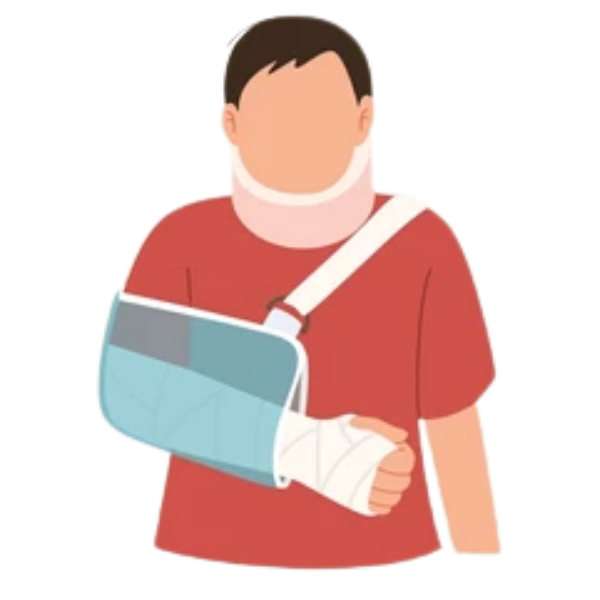
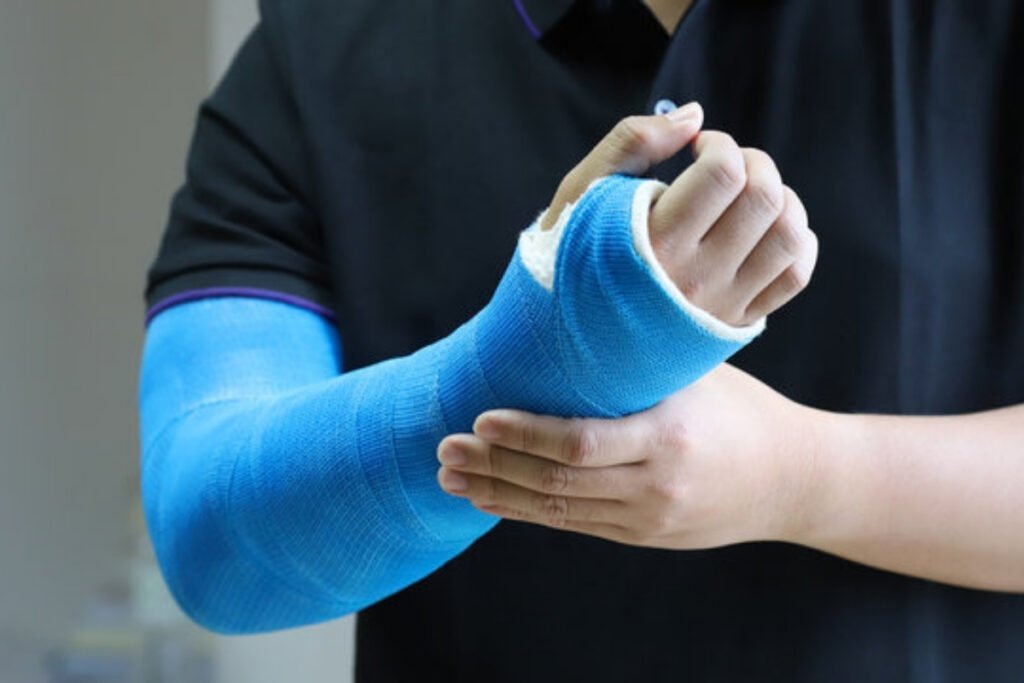
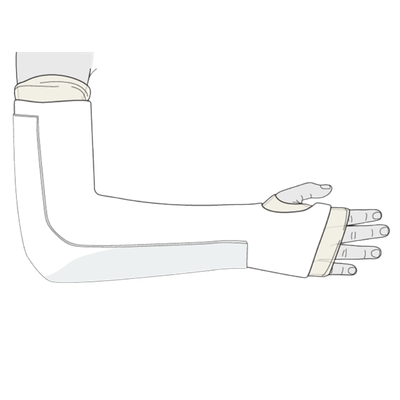
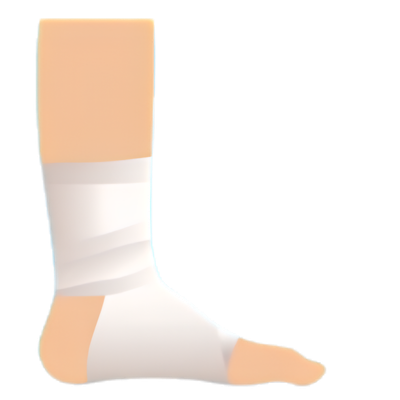
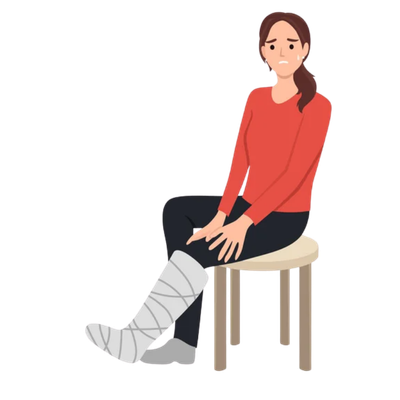
A plaster or cast is used to support and protect an injured bone, joint or surrounding structure while it heals. By limiting movement in the affected area, it can help maintain alignment, reduce stress on the injury and provide protection during the early stages of recovery.

Plasters and casts may be used for certain fractures, ligament injuries and other orthopedic conditions. The type of support required depends on the location of the injury, its stability, swelling and the amount of immobilisation needed. Plaster and cast application is therefore not simply about covering the injured limb. Correct positioning, adequate support and regular follow-up are important for safe healing and recovery.

When Is a Plaster or Cast Needed?

Immobilisation may be recommended when movement could interfere with healing or when the injured area needs additional protection. The decision depends on the injury and its stability. Some injuries require a full cast, while others may be better managed with a splint, brace or limited immobilisation.

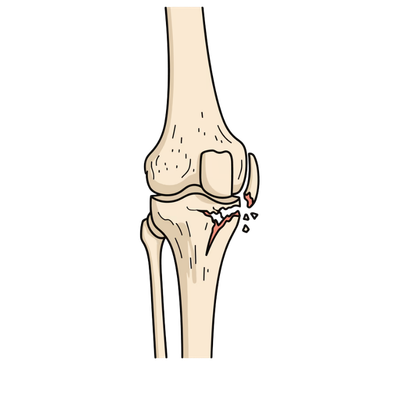
Bone Fracture

Joint Protection

Ligament Injury

Post-Reduction

Severe Sprain

Why Immobilisation Matters During Healing

A broken or injured structure may need protection from unnecessary movement while the body’s healing process takes place. A properly applied cast can restrict movement and help maintain the position established during treatment.

For fractures, maintaining acceptable alignment is particularly important. If a broken bone shifts during healing, it may heal in an altered position and affect the function of the limb. Swelling is another important consideration, especially soon after an injury. The type of immobilisation may need to be adjusted according to the amount of swelling and the stage of healing. Follow-up assessment helps ensure that the cast continues to provide appropriate support without causing excessive pressure.

Plaster and Cast Application in Mumbai: How Is the Right Support Decided?

Before plaster and cast application in Mumbai, Dr. Pradeep Nair assesses the injury to determine the type and extent of immobilisation required.

Injury Location

The affected bone, joint or soft tissue determines where support needs to be provided.

Fracture Stability

The position and stability of a fracture help establish whether a cast can maintain appropriate alignment.

Swelling Level

The amount of swelling influences the type of immobilisation used, particularly during the early stages.

Joint Position

The injured area may need to be held in a specific position to protect healing tissues and maintain function.

Movement Requirements

The amount of movement that needs to be restricted depends on the injury and stage of recovery.

Healing Stage

Immobilisation may be adjusted as the injury progresses and the need for protection changes.
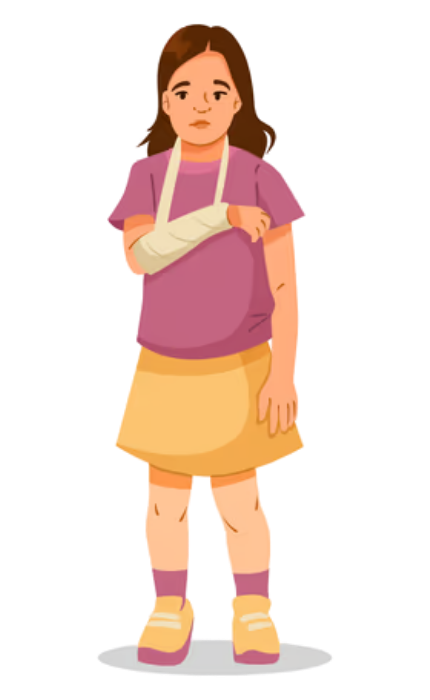
When a Cast Is Not the Only Option

Although casts provide reliable immobilisation for many injuries, they are not suitable for every situation. The treatment is selected according to how much support the injury requires.

Splinting

Bracing

Activity Restriction
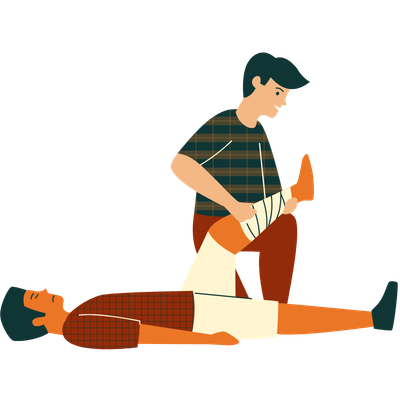
Physiotherapy
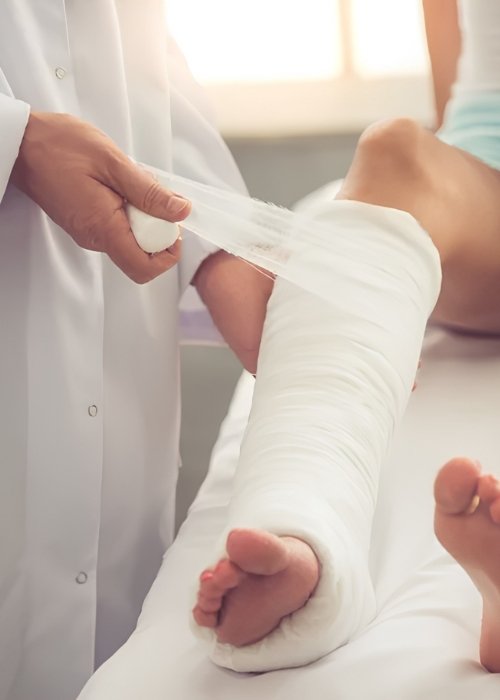
Good Immobilisation Requires More Than Applying the Cast

The purpose of plaster and cast application is to protect the injury while allowing healing to progress safely. Care continues after the cast has been applied.

The duration of immobilisation varies according to the injury, its location and healing progress. Follow-up examinations and imaging may be required to determine when the cast can be changed or removed.

Correct Positioning

The injured area is positioned appropriately before the cast is applied to provide effective support.

Secure Immobilisation

The cast is moulded to maintain the required position while allowing appropriate circulation around the limb.

Swelling Monitoring

Changes in pain, swelling, numbness or colour of the fingers or toes need attention, particularly during the early recovery period.

Cast Removal & Rehabilitation

Once sufficient healing has occurred, the cast is removed when appropriate and movement and strengthening are gradually restored.

Dr. Pradeep Nair
MBBS, MS Orthopedic, DNB Orthopedic
Fellowship in Hip and Knee Surgery including Robotic Joint Replacement (South Korea)

Meet Your Orthopedic Specialist

Dr. Pradeep Nair is an experienced Orthopedic Surgeon with expertise in musculoskeletal conditions, sports injuries and orthopedic trauma. He holds MBBS, MS Orthopedic and DNB Orthopedic qualifications, along with a fellowship in Conventional and Robotic Joint Replacement in South Korea.

His approach to orthopedic injuries begins with understanding the exact nature and stability of the injury before deciding how much support is required. Depending on the condition, treatment may involve casting, splinting, bracing, rehabilitation or surgical intervention.

For patients requiring plaster and cast application, the focus is on providing appropriate immobilisation, monitoring healing and determining when the injured area can safely progress towards normal movement.

Happy Patients

0 +

FAQs About Plaster & Cast Application

A plaster or cast may be required when a fracture or other orthopedic injury needs protection and restricted movement during healing. The need depends on the type and stability of the injury.

No. Some fractures can be managed with a splint, brace or other treatment. The choice depends on the fracture’s location, alignment, stability and expected healing.

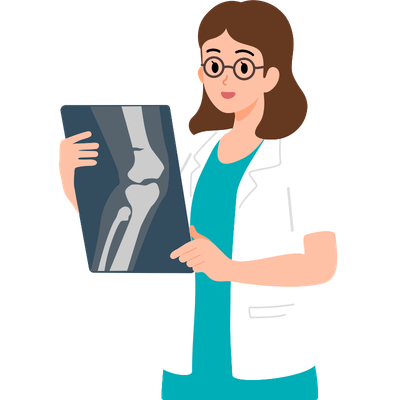
The duration varies according to the injury and healing progress. Your orthopedic surgeon may use follow-up examinations and X-rays to decide when immobilisation can be reduced or stopped.

Increasing pain, excessive swelling, numbness, tingling, unusual coldness or changes in the colour of the fingers or toes should be assessed promptly. Do not try to cut or alter the cast yourself.

This depends on the injury and the type of cast. Some patients are allowed protected weight-bearing, while others need to keep weight completely off the affected limb until healing progresses.

The affected area may initially feel stiff or weak. Depending on the injury, gradual movement, strengthening and physiotherapy may be recommended to help restore normal function.

Protecting the Injury While It Heals

Consult Dr. Pradeep Nair for an assessment of your injury and understand whether plaster and cast application or another form of orthopedic support is appropriate for your recovery.

Copyright © 2026 Dr. Pradeep Nair | Designed by EEG Technogeeks 

Scroll to Top