
Spinal Stenosis in Mumbai
Understanding Spinal Stenosis and Nerve Compression
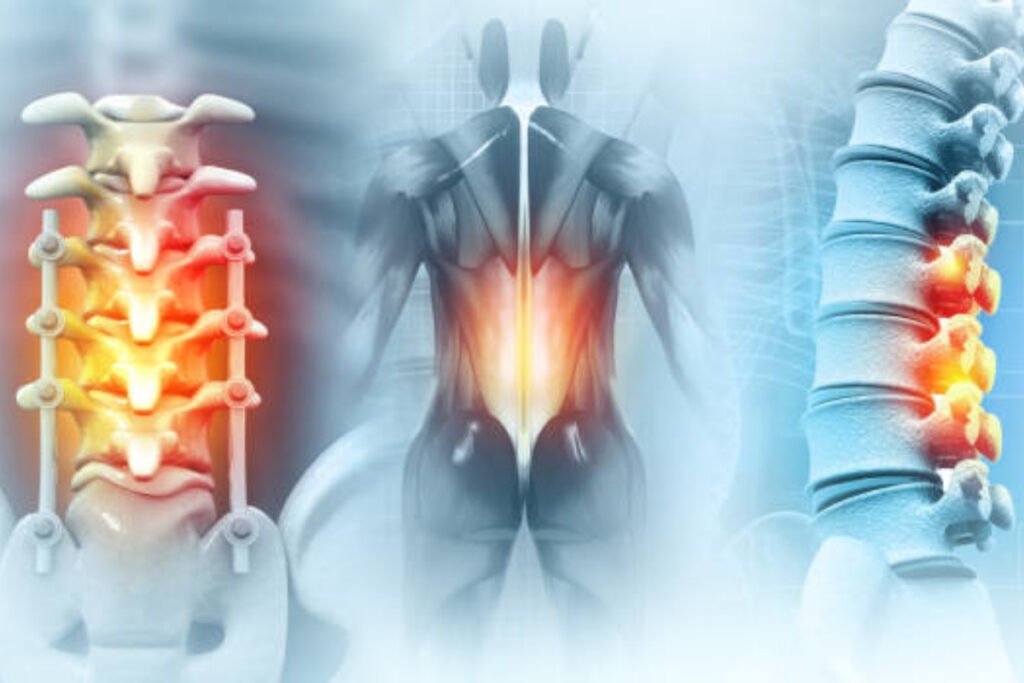
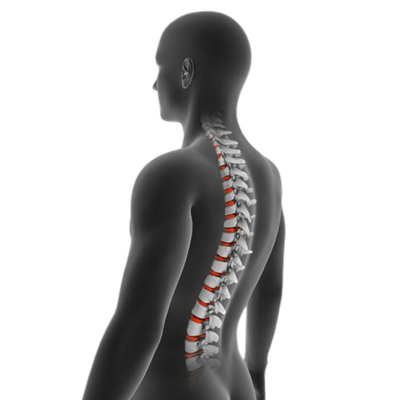
Spinal stenosis occurs when the spaces within the spine become narrower and begin to reduce the room available for the spinal cord or nearby nerves. It most commonly develops in the lower back or neck and is often related to age-related changes in the spine.
As the available space becomes reduced, nerves may become irritated or compressed. This can cause back or neck pain, pain travelling into the legs or arms, numbness, tingling or weakness. Some people mainly notice difficulty walking or standing for longer periods. Treatment depends on how much the condition affects nerve function and daily activities, with non-surgical care often considered before surgery.
When Is It Time to Consider Specialist Treatment?
Many people with spinal stenosis can initially be managed without surgery. Specialist evaluation becomes particularly important when symptoms persist, worsen or begin to interfere significantly with mobility. The need for surgery is not determined by the scan alone. Symptoms, neurological examination, walking capacity and imaging findings are considered together to understand whether the narrowing is actually affecting the nerves.
Persistent Pain
Leg Weakness
Numbness
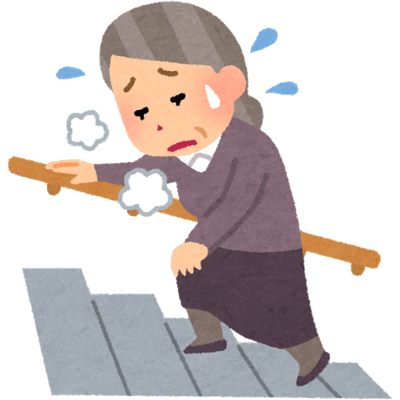
Walking Difficulty
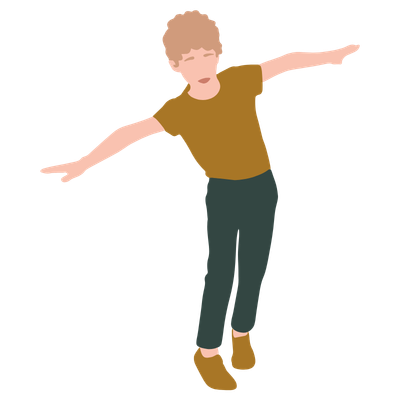
Balance Problems
What Happens When the Spinal Canal Narrows?
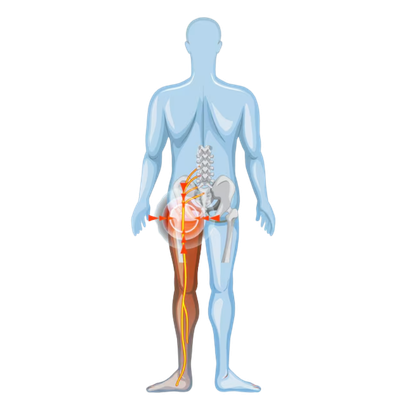
The spinal canal contains the spinal cord and nerves that travel to different parts of the body. With spinal stenosis, changes such as disc bulging, thickened ligaments or enlargement of the spinal joints can reduce the available space. In the lower back, nerve compression may cause pain, heaviness, numbness or weakness in the buttocks and legs. Some patients experience symptoms mainly while standing or walking and find relief after sitting or bending forward.
When stenosis affects the neck, symptoms may involve the arms and hands. In more significant cases, the spinal cord itself can be affected, potentially causing changes in balance, coordination or hand function.
Spinal Stenosis in Mumbai: How Is the Treatment Decided?
Before recommending treatment for spinal stenosis in Mumbai, Dr. Pradeep Nair evaluates the symptoms and neurological findings alongside the imaging.

Symptom Pattern
The location, severity and triggers of pain or other symptoms help identify how the narrowing is affecting you.

Walking Capacity
Changes in how far or how long you can walk may indicate the functional effect of lower spinal narrowing.

Nerve Function
Strength, sensation, reflexes and coordination are examined to identify neurological involvement.

Spinal Region
Whether the narrowing affects the lower back or neck influences both treatment options and urgency.

Imaging Findings
MRI and other scans help identify the level and extent of spinal canal or nerve passage narrowing.

Treatment Response
The response to medication, physiotherapy and activity modification helps determine whether further steps
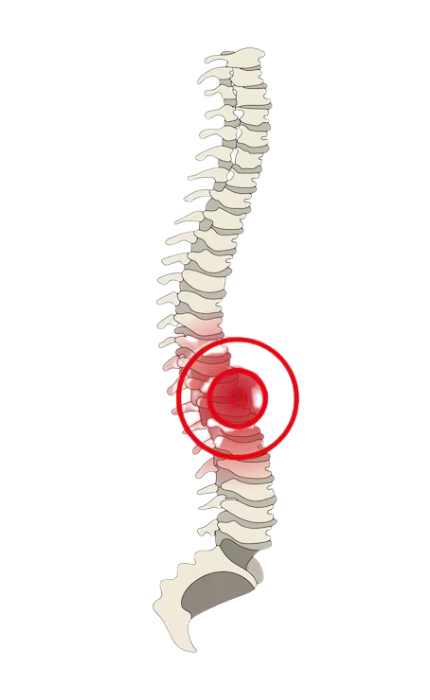
Start With Non-Surgical Measures When Appropriate
Not every patient with spinal stenosis needs an operation. When symptoms are manageable and there is no significant neurological deterioration, conservative treatment may be appropriate.

Medication

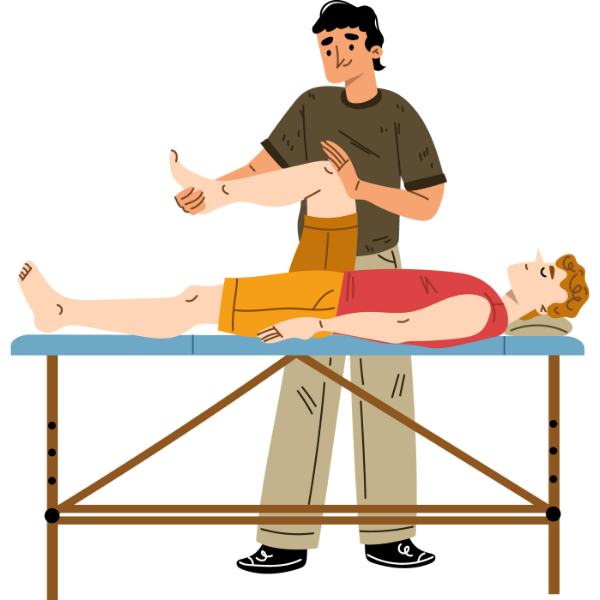
Physiotherapy

Activity Modification
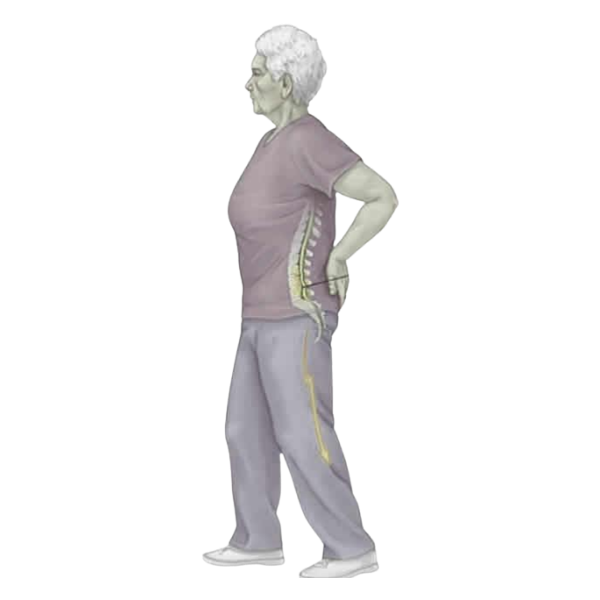
Posture & Movement
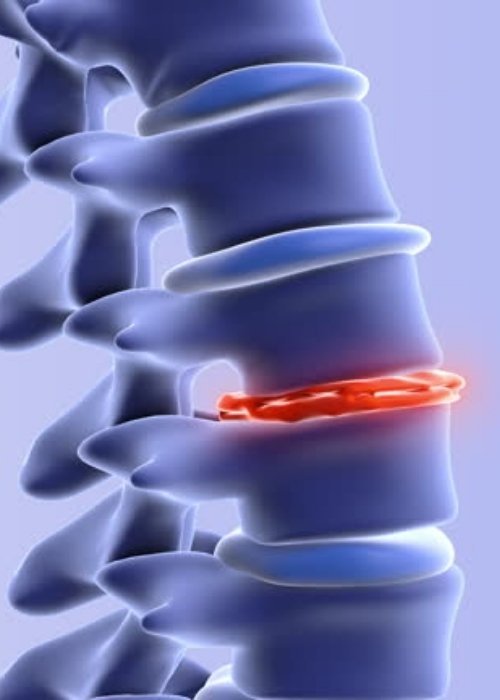
Relieving Nerve Pressure Is Only Part of the Recovery
The goal of treatment is to reduce nerve compression and improve mobility while addressing the factors contributing to symptoms. When surgery is required, the approach depends on the location and severity of the narrowing.
Recovery varies according to the spinal region involved, severity of compression, duration of symptoms and treatment performed. Ongoing neurological symptoms require appropriate follow-up rather than being managed only through pain relief.

Detailed Assessment
Symptoms, neurological findings and imaging are reviewed together to identify the level and significance of nerve compression.

Conservative Care
Medication, physiotherapy and activity changes are used when appropriate to improve symptoms and maintain function.

Surgical Decompression
When significant nerve compression persists or neurological function is affected, surgery may be considered to create more space for the affected nerves.

Rehabilitation & Mobility
After treatment, movement, strength and walking capacity are gradually rebuilt according to recovery and clinical progress.

Fellowship in Hip and Knee Surgery including Robotic Joint Replacement (South Korea)
Meet Your Orthopedic Specialist
Dr. Pradeep Nair is an experienced Orthopedic Surgeon with expertise in musculoskeletal conditions and problems affecting mobility and physical function. He holds MBBS, MS Orthopedic and DNB Orthopedic qualifications, along with a fellowship in Conventional and Robotic Joint Replacement in South Korea.
His assessment of spinal stenosis considers the patient’s symptoms, neurological examination, mobility and imaging findings. This helps establish whether the spinal narrowing is responsible for the symptoms and whether non-surgical treatment is likely to be sufficient.
When further intervention is required, treatment is planned according to the level of compression and the patient’s functional needs, followed by appropriate rehabilitation to restore movement and activity.
Happy Patients
FAQs About Spinal Stenosis
Can spinal stenosis be treated without surgery?
Yes. Many patients can initially be managed with medication, physiotherapy, activity modification and exercise. Surgery may be considered when symptoms remain disabling or neurological problems develop.
Why does spinal stenosis make walking difficult?
In lower-back spinal stenosis, narrowed spaces can compress nerves during standing and walking. This may cause leg pain, heaviness, numbness or weakness that improves when sitting or bending forward.
Does everyone with spinal stenosis have symptoms?
No. Some people may have narrowing visible on imaging without significant symptoms. Treatment decisions depend on the clinical findings and how the condition affects daily function.
When does spinal stenosis require surgery?
Surgery may be considered when symptoms significantly limit daily activities despite appropriate treatment, or when there is significant or progressive nerve compression. The urgency depends on the neurological findings.
Can physiotherapy help with spinal stenosis?
Physiotherapy may help improve strength, flexibility, posture and functional movement. It may reduce symptoms and improve mobility in patients who are suitable for non-surgical treatment.
Can spinal stenosis come back after treatment?
Symptoms can recur or develop at another level because degenerative changes in the spine may continue over time. Follow-up and maintaining appropriate strength and activity can help with long-term spinal function.
Improving Mobility Starts With Understanding the Cause
Consult Dr. Pradeep Nair for an assessment of your spinal stenosis and understand whether conservative treatment or further intervention is appropriate for your condition.