

Sciatica Treatment in Mumbai
Understanding Your Sciatic Nerve Pain
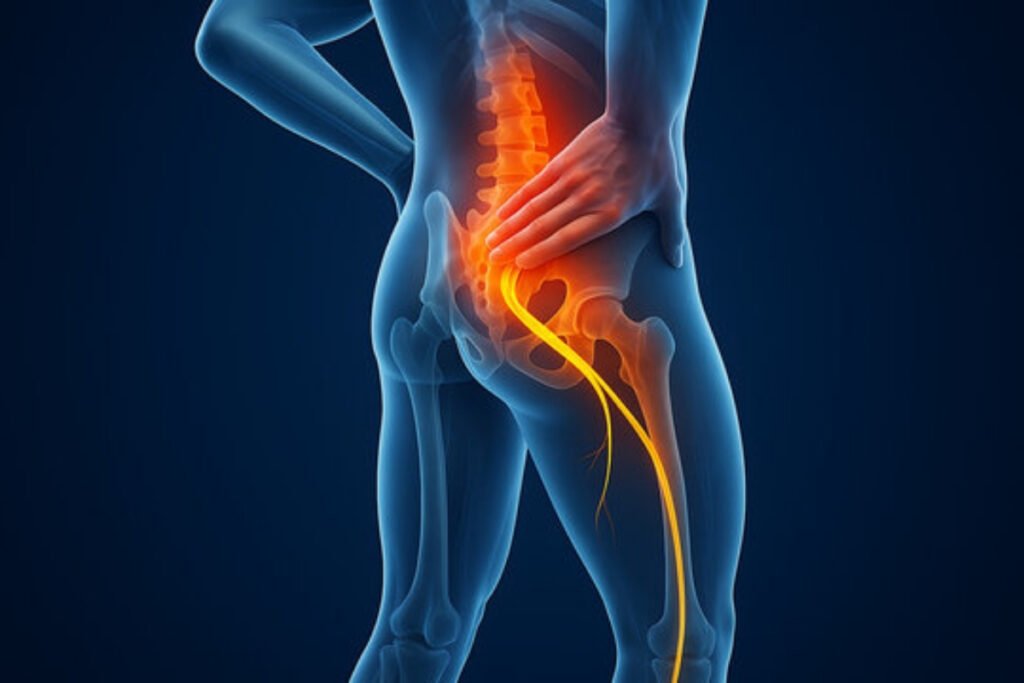
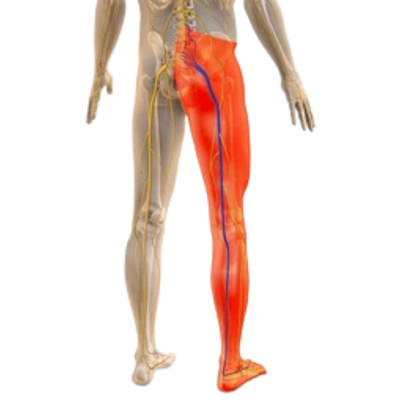
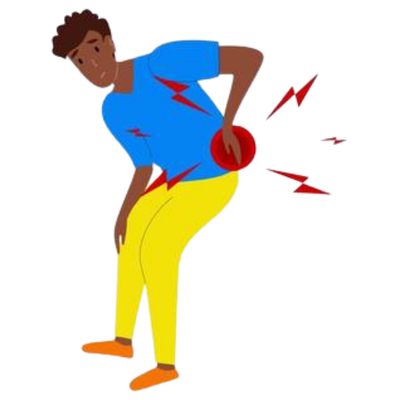
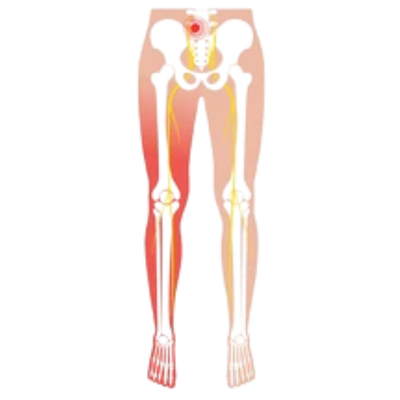
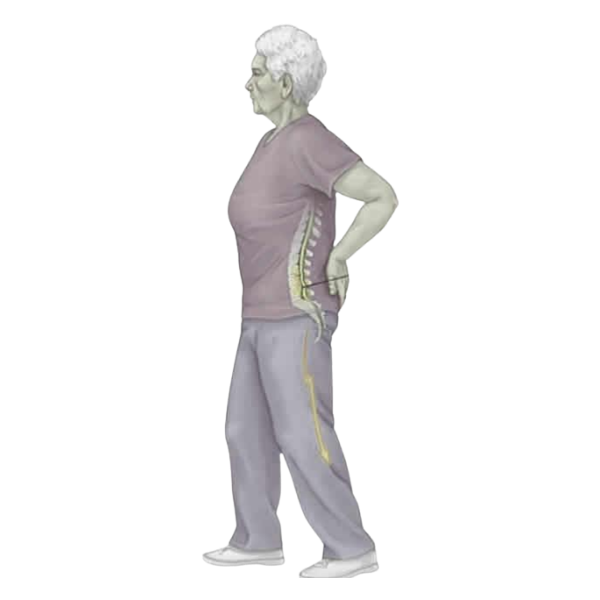
Sciatica refers to pain that travels along the path of the sciatic nerve, usually from the lower back through the buttock and into the leg. It commonly occurs when a nerve root in the lower spine becomes irritated or compressed.
A slipped or herniated disc is a frequent cause, although spinal narrowing, age-related changes or other conditions affecting the lower spine can also contribute. The pain may be accompanied by numbness, tingling or weakness in the leg.
The severity and duration of sciatica can vary. Treatment depends on what is causing the nerve irritation, how severe the symptoms are and how they affect movement and daily activities.
When Is It Time to Consider Specialist Treatment?
Many cases of sciatica improve with appropriate non-surgical treatment. Specialist assessment becomes important when symptoms persist, worsen or begin affecting nerve function and everyday movement. The decision about further treatment is based on the pattern of pain, neurological examination, duration of symptoms and imaging findings when required. An MRI finding alone does not always mean that surgery is necessary.
Persistent Leg Pain
Numbness
Muscle Weakness
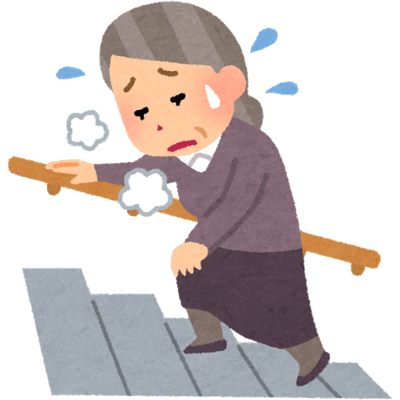
Walking Difficulty
Recurrent Symptoms
Why Does Sciatica Cause Pain Down the Leg?
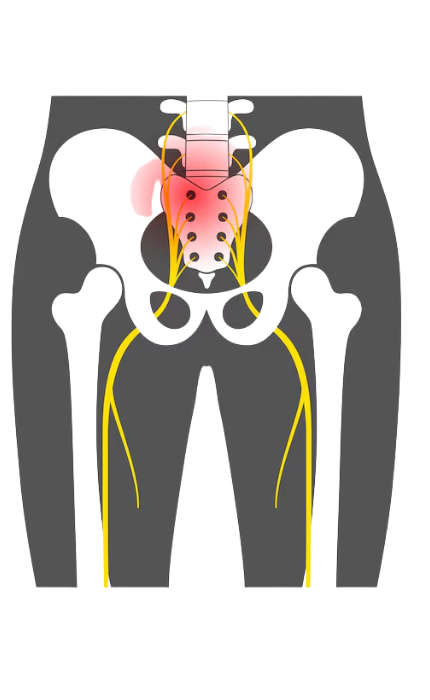
The sciatic nerve is formed by several nerve roots arising from the lower spine. When one of these nerves becomes compressed or irritated, pain can travel beyond the back and into the buttock, thigh, calf or foot. A herniated disc may press against a nerve root and produce symptoms on one side of the body. In some patients, narrowing around the spinal nerves can have a similar effect, particularly while standing or walking.
Sciatica may also cause tingling, reduced sensation or weakness in the affected leg. The exact symptoms depend on which nerve is involved and how much it is being compressed.
Sciatica in Mumbai: How Is the Treatment Decided?
Before recommending treatment for sciatica, Dr. Pradeep Nair evaluates the symptoms and looks for the underlying source of nerve irritation.

Pain Distribution
The location and pathway of pain can help identify which nerve may be affected.

Nerve Function
Muscle strength, sensation and reflexes are checked for signs of significant nerve involvement.

Symptom Duration
How long the symptoms have been present and whether they are improving or worsening helps guide.

Movement Limitation
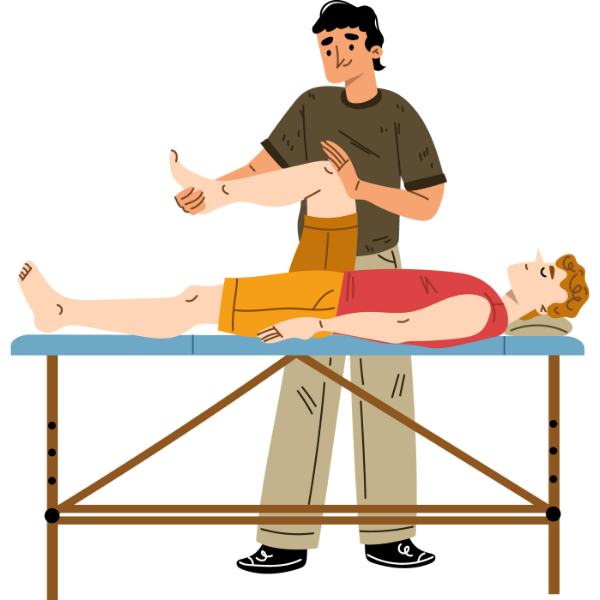
Difficulty sitting, standing, walking or performing routine activities is considered during assessment.

Imaging Findings
MRI or other imaging may be advised when symptoms are persistent, severe or associated with neurological changes.

Treatment Response
The response to medication, physiotherapy and activity modification helps determine whether further intervention is required.
Sciatica in Mumbai: When Non-Surgical Care May Be Enough
Treatment often begins without surgery when there is no significant or progressive neurological problem. The aim is to reduce irritation and gradually restore normal movement.

Medication

Physiotherapy

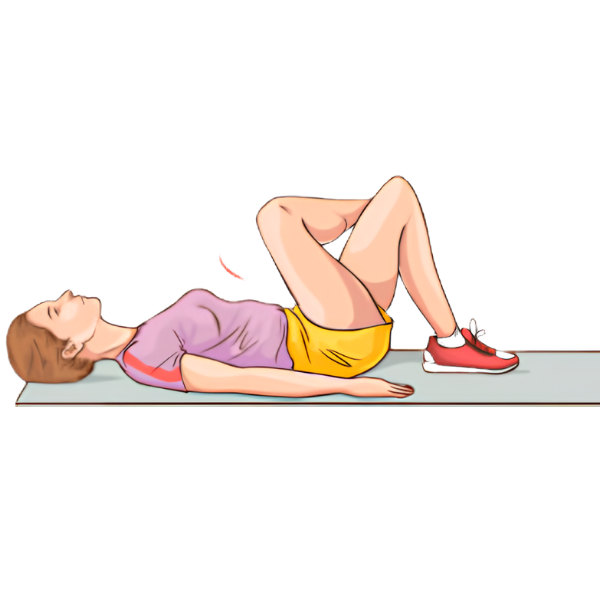
Activity Modification
Posture & Movement
Treating Sciatica Means Addressing the Source
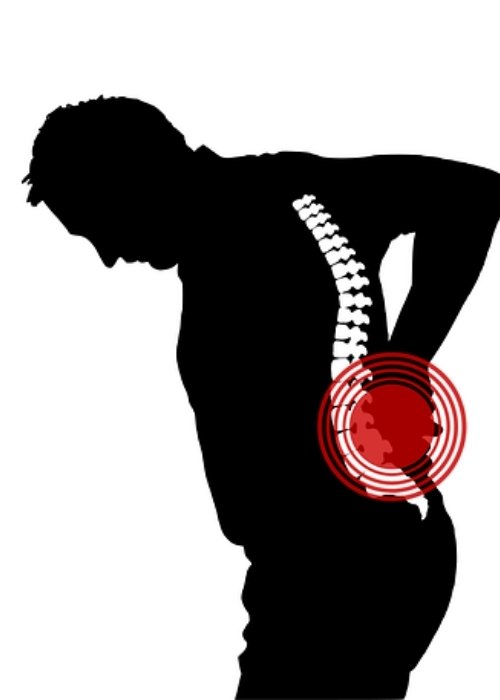
Managing sciatica is not only about reducing leg pain. The underlying cause of nerve compression also needs to be understood before deciding on an intervention.
The recovery period varies depending on the cause and severity of sciatica, the treatment provided and the presence of any nerve weakness. Persistent or worsening neurological symptoms require timely medical attention.

Detailed Assessment
The symptoms, neurological findings and relevant imaging are reviewed together to identify the source of nerve irritation.

Conservative Management
Medication, physiotherapy and activity modification are continued when they are providing improvement.

Nerve Decompression
When significant nerve compression persists and surgery is appropriate, the procedure focuses on relieving pressure on the affected nerve.

Rehabilitation & Mobility
Recovery involves gradually restoring movement, strength and confidence with everyday activities.

Fellowship in Hip and Knee Surgery including Robotic Joint Replacement (South Korea)
Meet Your Sciatica Specialist
Dr. Pradeep Nair is an experienced Orthopedic Surgeon with expertise in musculoskeletal conditions, sports injuries and problems affecting mobility. He holds MBBS, MS Orthopedic and DNB Orthopedic qualifications and has completed a fellowship in Conventional and Robotic Joint Replacement in South Korea.
His assessment of back and leg pain focuses on understanding the source of symptoms rather than relying on imaging alone. Clinical examination, neurological findings, symptom pattern and relevant scans are considered when planning treatment.
For patients with sciatica, the approach may range from rehabilitation and activity modification to surgical nerve decompression when persistent compression requires intervention.
Happy Patients
FAQs About Sciatica Treatment
Can sciatica get better without surgery?
Yes. Many cases improve with medication, physiotherapy, activity modification and time, particularly when there is no significant nerve weakness or other serious neurological problem.
How do I know if my sciatica is caused by a slipped disc?
The pattern of pain and neurological findings can suggest nerve irritation, while an MRI may be used when symptoms are persistent, severe or associated with weakness. The scan needs to be interpreted alongside the clinical examination.
When does sciatica require surgery?
Surgery may be considered when significant nerve compression causes persistent symptoms despite appropriate treatment, or when there is progressive weakness or another neurological concern requiring intervention.
Can I exercise while I have sciatica?
Gentle movement is generally preferable to prolonged bed rest, but activities that clearly worsen the pain should be avoided. A physiotherapist can help determine suitable exercises based on the cause and severity of symptoms.
Why does sciatica sometimes cause numbness or weakness?
Pressure or irritation of a spinal nerve can interfere with its normal function, leading to altered sensation, tingling or weakness in the muscles supplied by that nerve.
How long does it take to recover from sciatica?
Recovery varies considerably. Some patients improve over several weeks with non-surgical care, while symptoms caused by persistent nerve compression may take longer or require additional treatment.
Getting Relief Starts With Finding the Cause
Consult Dr. Pradeep Nair for an orthopedic evaluation of persistent sciatica and understand the treatment options available for your condition.